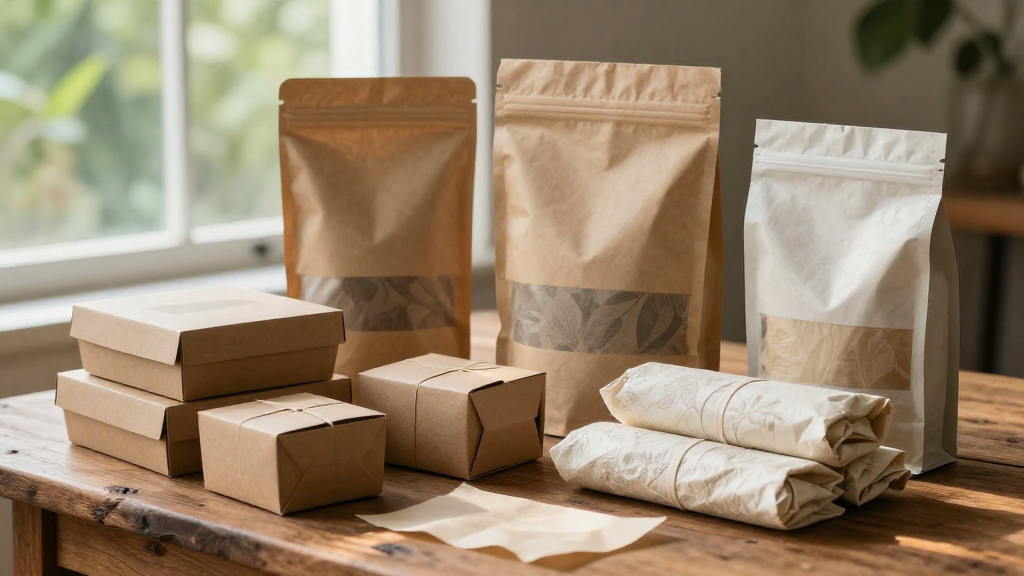
When it comes to sustainable solutions, eco packaging facts are essential for understanding how we can contribute to a healthier planet.
What is Eco Packaging?
Eco packaging is a broad term that refers to packaging materials and solutions designed to have minimal environmental impact.
It encompasses:
- Biodegradable materials such as plant-based plastics.
- Recyclable materials like cardboard and glass.
- Compostable packaging that returns nutrients to the soil.
These environmentally friendly alternatives are increasingly used by companies aiming to reduce their carbon footprint and promote sustainability.
Why is Eco Packaging Important?
Understanding the importance of eco packaging is crucial in today’s world.
Here are some eco packaging facts to consider:
-
Waste Reduction: Traditional packaging often ends up in landfills, where it can take hundreds of years to decompose. Eco packaging alternatives break down much faster, significantly reducing waste.
-
Resource Conservation: Many eco packaging materials are derived from renewable resources rather than finite fossil fuels. This contributes to sustainable practices that protect the earth’s resources.
-
Reduced Carbon Emissions: The production and disposal of conventional packaging contribute significantly to greenhouse gas emissions. Switching to eco-friendly options can help lower these emissions.
-
Consumer Demand: Today’s consumers are more environmentally conscious and tend to prefer brands that prioritize sustainability in their packaging.
What Are Common Eco Packaging Materials?
Several materials fall under the umbrella of eco packaging. Here are some widely used options:
-
Kraft Paper: Made from unbleached pulp, it is fully recyclable and biodegradable.
-
Bamboo: A fast-growing plant that is biodegradable and can be used for various types of packaging.
-
Cornstarch: Often used for packing peanuts and other protective packaging, this material is compostable.
-
Recycled Paper & Cardboard: Made from post-consumer waste, recycled options significantly reduce the demand for virgin materials.
-
Mushroom Packaging: This innovative option is made from agricultural waste and mycelium, creating a compostable alternative to polystyrene.
How Does Eco Packaging Benefit Businesses?
Businesses that adopt eco packaging not only contribute to environmental sustainability but also gain several advantages:
-
Enhanced Brand Image: companies can boost their reputation by showcasing a commitment to sustainability.
-
Cost Savings: Over time, using eco-friendly materials can lead to cost reductions, particularly through waste management and disposal savings.
-
Market Differentiation: Businesses using eco packaging can stand out in a crowded marketplace, attracting eco-conscious consumers.
-
Regulatory Compliance: With increasing regulations and incentives aimed at reducing plastic use, eco packaging can help businesses stay compliant.
What Are Some Eco Packaging Facts for Consumers?
As a consumer, understanding eco packaging facts can help you make more informed shopping choices:
-
Label Awareness: Look for labels that indicate whether packaging is recyclable or compostable.
-
Great Alternatives: Products packaged in glass, metal, or recycled materials are often more eco-friendly than those in single-use plastics.
-
DIY Recycling: Get creative! Many eco packaging materials can be reused or repurposed at home.
-
Waste Management: Compostable packaging should be disposed of properly in composting facilities to ensure its benefits are realized.
Are There Any Challenges with Eco Packaging?
While the benefits of eco packaging are clear, there are challenges associated with its adoption:
-
Cost Factors: Eco-friendly materials can be more expensive upfront than traditional options. However, the long-term benefits might outweigh the initial investment.
-
Performance Standards: Some eco packaging options may not perform as well as traditional materials in durability or moisture resistance.
-
Consumer Education: Many consumers are still unaware of what eco packaging is, which can hinder its acceptance.
How Can You Support Eco Packaging Initiatives?
Everyone can do their part to promote eco packaging initiatives:
-
Choose Sustainably Packaged Products: Opt for brands that prioritize eco-friendly packaging solutions.
-
Educate Others: Share knowledge about the benefits and importance of eco packaging within your community.
-
Participate in Recycling Programs: Engage in local recycling initiatives to ensure proper waste management.
-
Support Regulations: Advocate for local and national policies that encourage sustainable materials and practices.
What Does the Future Hold for Eco Packaging?
The future of eco packaging is promising:
-
Innovative Materials: Continued research is likely to yield new biodegradable materials that can replace traditional plastics.
-
Technology Advancements: Improved manufacturing techniques will enhance the functionality and affordability of eco-friendly options.
-
Greater Adoption Rates: As consumer demand rises, more companies will feel pressure to adopt sustainable packaging solutions.
-
Stricter Regulations: Governments worldwide will continue to implement laws aimed at reducing the environmental footprint of packaging.
Conclusion: Why Should You Care About Eco Packaging?
Eco packaging facts reveal how crucial sustainable practices are for the future of our planet.
By understanding its importance, embracing eco-friendly materials, and making conscious consumer choices, you can contribute to a more sustainable future.
Join the eco packaging movement, and let’s work together towards a cleaner, greener world!