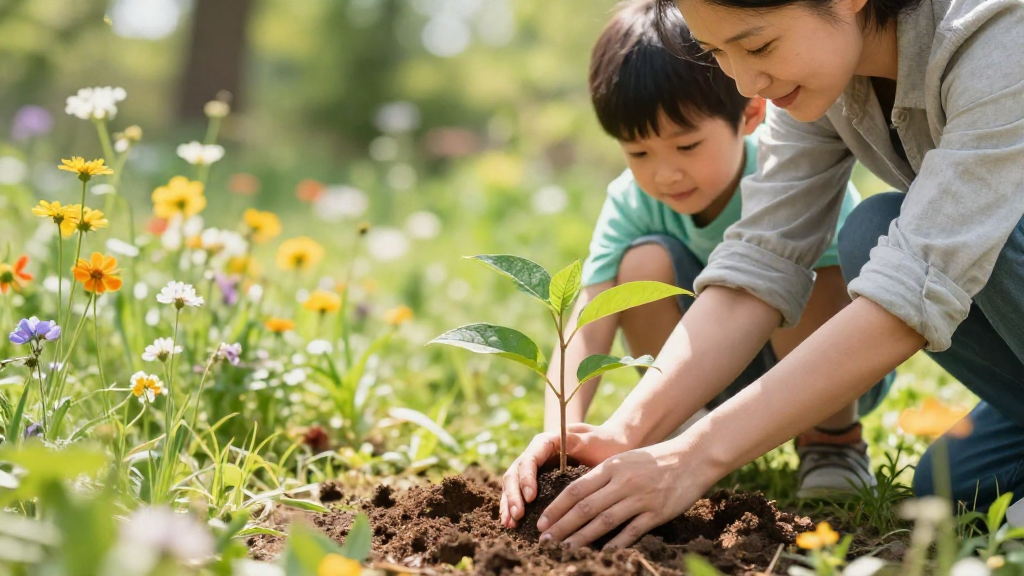
In today’s world, where sustainability and environmental consciousness are becoming increasingly important, eco parenting tips are essential guidelines for raising environmentally aware children.
The modern parent faces unique challenges when it comes to instilling eco-friendly habits in their little ones.
What Are Eco Parenting Tips?
Eco parenting tips refer to practices and strategies that promote a sustainable lifestyle while teaching children about the importance of protecting the planet.
These tips encompass various aspects of daily living, from reducing waste to choosing eco-friendly products.
Incorporating eco parenting strategies into your family’s routine not only contributes to a healthier environment but also sets a positive example for future generations.
Why Is Eco Parenting Important?
Why should parents adopt eco-conscious habits?
-
Teaching Responsibility:
By educating children about their ecological footprint, parents help them understand their role in conserving resources. -
Healthy Habits:
Eco-friendly practices often lead to healthier choices for both children and parents. -
Preserving Nature:
Today’s children are tomorrow’s leaders. Instilling a sense of environmental stewardship prepares them to tackle global issues. -
Increasing Awareness:
Eco parenting fosters an understanding of the earth’s ecosystems and the importance of biodiversity.
What Are Some Practical Eco Parenting Tips?
Curious about practical eco parenting tips you can implement? Here are some ideas to get started:
1. Use Eco-Friendly Products
Choose products that have minimal environmental impact. This includes:
- Biodegradable diapers
- Organic clothing
- Non-toxic toys
By opting for eco-friendly alternatives, you help reduce your carbon footprint.
2. Reduce, Reuse, and Recycle
Teach children the three R’s:
- Reduce: Limit what you buy and only purchase essentials.
- Reuse: Opt for second-hand items, or repurpose household items.
- Recycle: Show kids how to separate recyclables from trash and the importance of proper disposal.
3. Make Sustainable Food Choices
Incorporate eco-friendly eating habits, such as:
- Choosing local and seasonal produce
- Reducing meat consumption
- Avoiding processed and packaged foods
By doing this, you not only minimize food miles but also encourage good eating habits in children.
4. Practice Water Conservation
Teach your children the importance of water conservation:
- Turn off the tap while brushing teeth.
- Use a bucket for washing the car instead of a running hose.
- Take shorter showers.
Every little action contributes to significant water savings in the long run.
How Can You Foster a Love for Nature?
What steps can parents take to instill a love for the environment?
-
Outdoor Activities:
Plan regular family hikes, nature walks, or camping trips to connect with nature. -
Gardening:
Involve your kids in gardening to help them understand where food comes from and the basics of plant care. -
Nature Crafts:
Use natural materials for art projects, fostering creativity while appreciating the earth’s resources. -
Volunteer Together:
Participate in local clean-up events or tree-planting activities, promoting community involvement and environmental responsibility.
How to Create an Eco-Friendly Home?
Wondering how to turn your household into an eco-friendly haven? Here are some tips:
1. Energy Efficiency
- Invest in energy-efficient appliances.
- Use LED light bulbs.
- Encourage your family to turn off lights when leaving a room.
2. Switch to Eco-Friendly Cleaners
- Replace conventional cleaning products with homemade or non-toxic alternatives, such as vinegar and baking soda.
3. Limit Single-Use Plastics
- Encourage the use of reusable bags, bottles, and containers.
4. Composting
- Start a compost bin for kitchen scraps and yard waste to reduce landfill waste.
How Can You Promote Eco-Friendly Transportation?
What transport methods can families adopt to reduce their carbon footprint?
-
Walk or Cycle:
For short distances, consider walking or biking instead of driving. -
Carpool:
Organize a carpool with other families for school runs and extracurricular activities. -
Public Transport:
Use buses or trains whenever possible to lower emissions. -
Electric Vehicles:
If feasible, consider the purchase of an electric or hybrid car.
What Are Some Essential Resources for Educating Kids?
Looking for educational resources to teach your children about sustainability?
-
Books:
Many children’s books cover topics related to nature and conservation, such as:
– “The Lorax” by Dr. Seuss
– “The Earth Book” by Todd Parr. -
Documentaries:
Engage older children with documentaries that expose the environmental problems of today. -
Educational Apps:
Use apps that promote eco-friendly behaviors and conservation efforts, like “Breathe” for mindful breathing. -
Interactive Websites:
Websites like National Geographic Kids offer games, videos, and articles focused on biodiversity and conservation.
How to Stay Informed About Eco Parenting?
Curious how to keep up with eco-friendly trends and tips?
-
Follow Blogs and Influencers:
There are numerous eco-parenting blogs that provide valuable insights and advice. -
Join Online Communities:
Participate in forums or social media groups that focus on sustainable living and parenting. -
Attend Workshops:
Look for local workshops or seminars on sustainability practices for families. -
Subscribe to Newsletters:
Many environmental organizations send out newsletters containing tips and news related to eco-friendly parenting.
By implementing these eco parenting tips, you can create a nurturing environment for your children that promotes sustainability, responsibility, and a deep respect for the planet.
In essence, eco-parenting is not just about making green choices; it’s about fostering a profound appreciation for our earth and inspiring future generations to continue this important work.
Start today, and make your family a part of the solution!