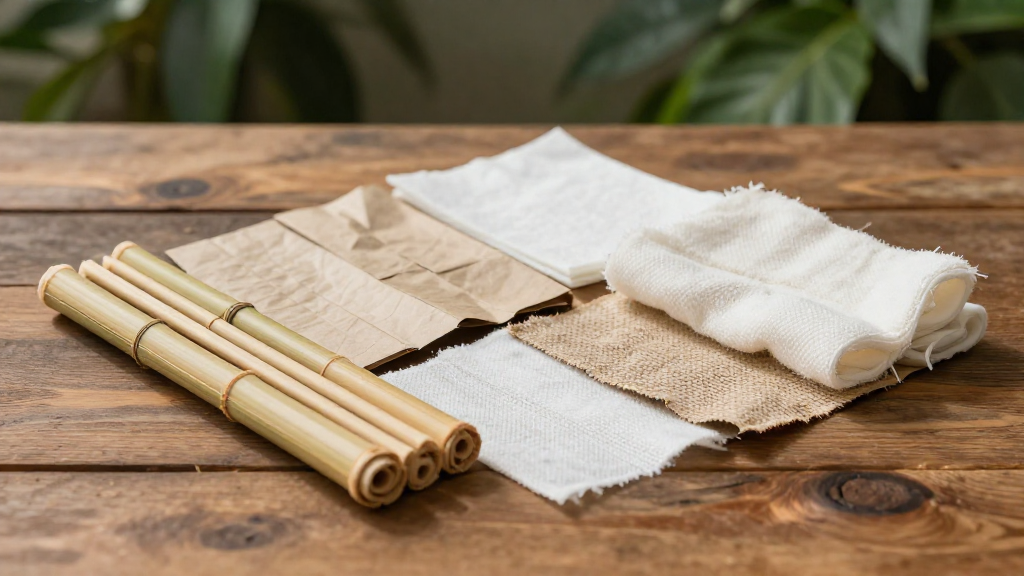
Choosing the right materials is essential in building a sustainable future.
Understanding eco friendly materials can significantly impact reducing your carbon footprint.
By being aware of what constitutes these materials, we can make informed choices that benefit both the environment and our well-being.
What Are Eco Friendly Materials?
Eco friendly materials are substances that are designed to have a minimal negative impact on the environment.
They can be renewable, recyclable, biodegradable, or derived from sustainable practices, ensuring they do not deplete Earth’s resources.
In essence, these materials contribute positively to our planet and help in creating sustainable products and processes.
Why Are Eco Friendly Materials Important?
Choosing eco friendly materials is not just a trend but a necessity.
Here are some significant reasons why these materials matter:
- Sustainability: They help preserve natural resources for future generations.
- Reduced Carbon Emissions: Many eco friendly materials emit fewer greenhouse gases during production.
- Health Benefits: They can be safer for human health, as they often contain fewer toxins.
- Economic Savings: Long-term use of sustainable products often leads to cost savings due to durability and lower energy consumption.
- Biodiversity: Using renewable materials helps protect ecosystems and maintain biodiversity.
How Can You Identify Eco Friendly Materials?
Identifying eco friendly materials can be a daunting task due to marketing jargon and product claims.
However, there are several indicators you can look for:
- Certifications: Look for well-known labels such as FSC for wood, Energy Star for appliances, or USDA Organic for food products.
- Ingredients: Review product ingredients and choose those with natural rather than synthetic components.
- Life Cycle: Consider the entire life cycle of the product, from raw material extraction to disposal.
What Are Some Common Eco Friendly Materials?
Here’s a list of commonly recognized eco friendly materials:
1. Bamboo
Bamboo is a grass species that grows rapidly and requires minimal water.
It is strong, sturdy, and biodegradable, making it a sustainable choice for furniture, flooring, and even clothing.
2. Recycled Materials
Materials such as recycled paper, plastic, and metals reduce waste in landfills.
Using recycled materials helps minimize the extraction of virgin resources and can often be cheaper.
3. Organic Cotton
Unlike conventional cotton, organic cotton is grown without synthetic pesticides and fertilizers.
This makes it less harmful to the environment and better for farmer health.
4. Hemp
Hemp is a highly versatile plant that grows quickly and requires little water.
It can be used in products such as textiles, paper, and even building materials.
5. Cork
Cork is sustainably harvested from the bark of cork oak trees, which regenerate after harvesting.
It is biodegradable, renewable, and serves as an excellent insulator.
6. Sheep’s Wool
Wool is a natural insulation material that is biodegradable and renewable.
It can also help regulate indoor temperature, further reducing energy needs.
7. Tencel
Made from sustainably sourced wood pulp, Tencel is biodegradable and produced in an environmentally friendly closed-loop process.
It’s often used in clothing due to its comfort and breathability.
8. Glass
Recycling glass conserves energy and reduces raw material consumption.
Glass is infinitely recyclable, making it a fantastic eco friendly option for containers and building materials.
How to Use Eco Friendly Materials in Everyday Life?
Incorporating eco friendly materials into your daily life can be simple.
Here are some practical tips:
- Home Décor: Choose furniture made from reclaimed wood or bamboo.
- Textiles: Opt for organic cotton or Tencel for bedding and clothing.
- Packaging: Look for products packaged in recycled materials or glass instead of plastic.
- Construction: When renovating or building, consider sustainable materials like straw bales, recycled steel, or rammed earth.
How Do Eco Friendly Materials Impact Various Industries?
Different industries can greatly benefit from incorporating eco friendly materials. Here are a few examples:
1. Fashion Industry
The fashion industry is one of the most polluting sectors globally.
By utilizing organic cotton, Tencel, and recycled plastics, brands can lessen their environmental impact.
2. Construction
Eco friendly materials like hempcrete, bamboo, and recycled steel are being used in construction to minimize waste and energy consumption.
3. Packaging
More companies are shifting toward biodegradable and recycled materials for packaging, helping to reduce plastic waste significantly.
4. Food and Beverage
Many food brands are switching to eco friendly packaging and organic ingredients, ensuring minimal ecological impact.
Are there Any Drawbacks to Eco Friendly Materials?
Although eco friendly materials provide numerous benefits, there are also potential drawbacks to consider:
- Higher Upfront Costs: Some eco friendly options might be more expensive initially.
- Limited Availability: Not all regions have easy access to sustainable materials.
- Perceived Quality: Some consumers may mistake eco products for lower quality, although this is often untrue.
Conclusion: Embrace Eco Friendly Materials
In summary, the use of eco friendly materials can play a crucial role in combating environmental issues and fostering a sustainable future.
By understanding what these materials are and how they impact various industries, you can make informed decisions in your daily life.
Adopting eco friendly materials not only aids in preserving our planet but often leads to healthier living conditions for ourselves and future generations.
Key Takeaways:
- Eco friendly materials minimize negative environmental impacts and promote sustainability.
- Common types include bamboo, organic cotton, recycled materials, and more.
- Incorporating these materials can benefit various industries, from fashion to construction.
So, take the initiative today to explore eco friendly materials for your home, lifestyle, and business practices.
Together, we can contribute to a healthier planet and foster a sustainable environment.