When you’re off-grid, a compact solar panel can keep your phone, GPS, and power bank topped up without adding much weight to your pack.
This roundup focuses on portable solar panels for backpacking that balance low carry weight, dependable charging, and trail-ready durability.
Best 10 Portable Solar Panels for Backpacking Picks for 2026
Ultralight Day-Hike Pick
Goal Zero Nomad 10 USB Solar Panel
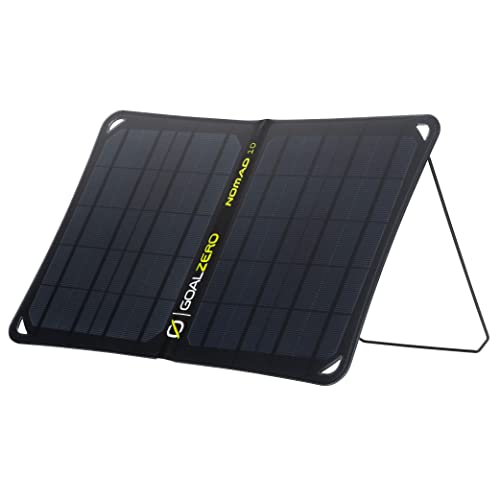
- 1.2 lb foldable panel for easy packing
- Built-in USB port for small devices
- 180° kickstand for flexible setup
Best For: Backpackers who need a compact charger for phones and small electronics
High-Power Basecamp Pick

- 200W output for larger off-grid systems
- N-Type cells with up to 25.4% efficiency
- IP65-rated build for outdoor durability
Best For: Users building a larger solar setup at camp, van, or rooftop
Best Value Trail Charger
SOLUPUP 30W Foldable Solar Charger

- 30W foldable design with 2.4 lb weight
- USB-A and USB-C outputs for small devices
- IPX5 water and dust resistance
Best For: Backpackers who want a lighter panel for phones and power banks
Rugged All-Weather Choice
SunJack 25W Foldable Solar Panel

- IP67 waterproof ETFE construction
- Folds to tablet size for packing
- USB-A and USB-C charging ports
Best For: Hikers and campers who want durable weather-resistant charging
Ultralight Trail Pick
FlexSolar 25W Portable Solar Panel Charger

- 1.2 lb foldable panel with carabiners and strap
- USB-A + USB-C outputs for two-device charging
- IP67-rated for dust and rain resistance
Best For: Backpackers who want the lightest simple charging setup
High-Output Camp Charger
LUMOPAL 60W Foldable Solar Panel
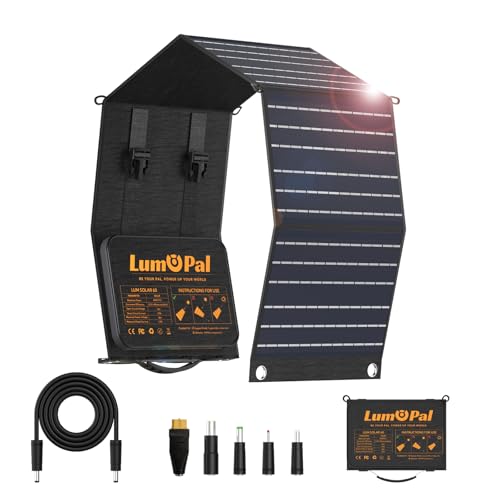
- 60W panel with USB-C PD, USB-A QC3.0, and DC output
- 23.5% efficiency for better sunlight conversion
- 3.42 lb folded design with IP65 water resistance
Best For: Backpackers and campers who need higher output and broader compatibility
Balanced Lightweight Pick
FlexSolar 40W Foldable Solar Panel Charger

- 40W output with USB-A, USB-C, and DC ports
- 1.76 lb foldable design for backpack use
- 24% efficiency with IP67-rated weather resistance
Best For: Backpackers who want a lightweight panel with more output flexibility
Ultralight 45W Pick
45W Portable Solar Panel Charger

- 1.54 lb foldable design for easy pack carry
- USB-C, USB-A, and DC18V charging outputs
- 25% efficiency with IP67 waterproofing
Best For: Backpackers needing lightweight charging for small devices and power banks
All-Weather Value Pick
MARBERO 30W Foldable Solar Panel

- Foldable and compact with carry bag included
- USB-C, QC3.0 USB, and DC outputs
- Works in sunny or cloudy conditions
Best For: Backpackers who want versatile charging for mixed devices and solar generators
Featherweight Compact Pick
BigBlue Ultra-Light 25W Solar Panel Charger

- Only 0.84 lbs and pocket-size folded
- USB-A and USB-C charging for two devices
- IP68 water and dust resistance
Best For: Ultralight backpackers who only need small-device USB charging
Ultralight Day-Hike Pick – Goal Zero Nomad 10 USB Solar Panel
If you want portable solar panels for backpacking that stay simple and light, the Goal Zero Nomad 10 is built for small-device charging on the trail. Its 10W monocrystalline panel includes a USB port, and the foldable design plus adjustable kickstand make it easy to clip to a pack or set up at camp.
Best For: Backpackers who want a compact solar charger for phones and other small devices on short trips or day hikes.
Pros:
- Very light at 1.2 lbs, with a folded size that packs easily.
- Built-in USB port keeps charging straightforward for small electronics.
- 180° adjustable kickstand adds flexibility when you stop to charge.
- Backpack-friendly design is made for hiking and travel use.
Cons:
- 10W output is best for small devices, not larger power needs.
- Single-panel design may charge slowly compared with higher-watt options.
This is a practical pick if you value portability above all else. It keeps the setup minimal and lightweight, making it a good fit for backpacking trips where every ounce matters.
High-Power Basecamp Pick – HQST 200W N-Type Solar Panel
The HQST 200W is not the kind of panel you carry deep into the backcountry, but it matters if your backpacking setup includes a vehicle, basecamp, or off-grid staging area. It uses N-Type 16BB cells, offers up to 25.4% efficiency, and is built for long-term outdoor durability with IP65 protection.
Best For: Campers and off-grid users who need a high-output panel for a larger solar setup rather than a true packable trail panel.
Pros:
- High 200W output suits larger charging and power systems.
- N-Type cells and 25.4% efficiency support strong long-term performance.
- IP65 protection and rugged construction are made for outdoor use.
- Smaller and lighter than conventional 200W PERC panels.
Cons:
- At 20.17 lb, it is far too heavy for normal backpacking carry.
- Best suited to vans, rooftops, boats, and basecamp-style setups.
For backpackers, this only makes sense when portability is not the priority. It is a strong utility panel for larger systems, but it is not a true trail-ready solar charger.
Best Value Trail Charger – SOLUPUP 30W Foldable Solar Charger
For portable solar panels for backpacking, the SOLUPUP 30W offers a useful middle ground between size and charging capability. It folds down compactly, weighs 2.4 lb, and includes USB-A and USB-C outputs so you can charge phones and power banks while you’re out hiking or camping.
Best For: Backpackers who want a lightweight foldable panel with enough output for everyday phone and accessory charging.
Pros:
- 30W output is stronger than many ultra-compact trail panels.
- USB-A and USB-C ports support two-device charging.
- 2.4 lb weight and compact fold make it backpack-friendly.
- IPX5 rating adds water and dust resistance for outdoor use.
Cons:
- Actual output depends heavily on sunlight and placement.
- Port output is limited to 15W max combined.
This is a sensible choice if you want a portable charger that stays easy to carry without dropping to the lowest power tier. It is best when paired with realistic expectations and used to top up small electronics in good sun.
Rugged All-Weather Choice – SunJack 25W Foldable Solar Panel
The SunJack 25 Watt is designed for backpackers who care more about durability than shaving every ounce. It folds down to tablet size, uses high-efficiency monocrystalline cells, and adds ETFE construction with an IP67 waterproof rating for tougher weather conditions.
Best For: Hikers and campers who want a rugged portable solar panel for backpacking with USB charging and weather protection.
Pros:
- ETFE build and IP67 waterproof rating support harsh outdoor use.
- Compact foldable size packs down to roughly tablet size.
- USB-A and USB-C ports provide flexible charging options.
- 25W output is solid for phones, tablets, and power banks.
Cons:
- At 1.7 lb, it is not the lightest option in this category.
- Best performance still depends on sunlight and panel positioning.
If you want a backpacking solar panel that feels ready for rough weather, this one stands out. It balances portability with tougher materials, making it a good fit for trips where reliability matters as much as weight.
Ultralight Trail Pick – FlexSolar 25W Portable Solar Panel Charger
If you want portable solar panels for backpacking without adding much bulk, this 25W FlexSolar panel is built for fast grab-and-go use. It folds down to a compact size, weighs just 1.2 lbs, and includes carabiners plus a strap so you can clip it to a pack or tent while you move.
Best For: Backpackers who want the lightest simple charging setup for phones and small USB devices.
Pros:
- Very lightweight at 1.2 lbs and folds to a compact 7.7 x 5.1 size.
- USB-A and USB-C outputs can charge two devices at once at up to 5V/3A.
- MPPT technology helps improve energy harvest, even in partial shade.
- IP67-rated components are built for dust, rain, and rough outdoor use.
Cons:
- 25W output is better for small electronics than larger power demands.
- Designed for USB charging, not direct laptop-style high-wattage output.
This is a practical minimalist option for hikers who value low weight and easy attachment over maximum power. Its compact build and weather protection make it a sensible backup charger for short trips and emergency carry.
High-Output Camp Charger – LUMOPAL 60W Foldable Solar Panel
For portable solar panels for backpacking with more charging muscle, the LUMOPAL 60W panel stands out with a higher-watt design and multiple output options. It offers USB-C PD up to 60W, USB-A QC3.0, and DC output, so it can handle everything from phones to power stations more flexibly on longer trips.
Best For: Backpackers and campers who need higher output and broader device compatibility.
Pros:
- 60W output with USB-C PD, USB-A QC3.0, and DC ports.
- 23.5% conversion efficiency helps make the most of available sunlight.
- Folded size is compact, and the 3.42 lb weight stays backpack-friendly for a 60W panel.
- IP65 waterproofing and ETFT-laminated construction add outdoor durability.
Cons:
- At 3.42 lb, it is heavier than smaller backpacking panels.
- The junction ports are not waterproof, so weather exposure still needs care.
This is a strong choice if you want more than basic phone charging and prefer one panel that can serve multiple devices. The tradeoff is weight, but the extra output and port variety make it more versatile for longer backcountry stays.
Balanced Lightweight Pick – FlexSolar 40W Foldable Solar Panel Charger
If you’re comparing portable solar panels for backpacking and want a middle ground between ultra-light and high-output, this 40W FlexSolar panel fits well. It folds to a compact size, weighs 1.76 lbs, and includes USB-A, USB-C, and DC outputs for phones, tablets, power banks, and small stations.
Best For: Backpackers who want a lightweight panel with more output flexibility than a basic charger.
Pros:
- 40W output gives more charging headroom than smaller backpacking panels.
- Lightweight at 1.76 lbs and folds down for easy pack storage.
- USB-A, USB-C, and 19V DC ports support a range of devices.
- 24% conversion efficiency and IP67-rated durability are strong for outdoor use.
Cons:
- Shade can significantly reduce performance, according to the product notes.
- The junction box is not fully waterproof, so heavy rain needs caution.
This panel is a good all-around pick for backpackers who want a balance of portability and useful output. It is still compact enough for trail use, but its extra wattage makes it more practical if you charge more than one type of device.
Ultralight 45W Pick – 45W Portable Solar Panel Charger
If you want portable solar panels for backpacking that stay easy to carry without giving up useful output, this 45W foldable panel is a strong fit. At 1.54 lbs and a compact folded size, it’s built for stuffing into a backpack while still offering USB-C, USB-A, and DC charging for common trail electronics.
Best For: Backpackers who want a lightweight panel for phones, GPS units, power banks, and small power stations.
Pros:
- Very light at 1.54 lbs and folds down small for pack storage.
- Offers USB-C, USB-A, and DC18V outputs for flexible charging.
- 25% conversion efficiency with HPBC solar cells for strong sunlight capture.
- IP67-rated and built with ETFE for outdoor durability.
Cons:
- Best performance depends on tilting the panel toward the sun.
- Higher DC output is limited to compatible gear and power stations.
This is a practical pick if you want more charging flexibility than a tiny phone-only panel, but still need a pack-friendly design. The included adapters and carabiners make it easier to integrate into a backpacking setup.
All-Weather Value Pick – MARBERO 30W Foldable Solar Panel
For portable solar panels for backpacking on a tighter budget or for smaller power needs, this 30W MARBERO panel offers a balanced mix of portability and versatility. It folds to laptop-bag size, weighs 2.4 lbs, and includes USB-C, QC3.0 USB, and DC output for everyday trail and campsite charging.
Best For: Backpackers who want a compact panel for phones, tablets, GPS devices, and compatible solar generators.
Pros:
- Compact folded size and a carry bag make it easy to pack and transport.
- USB-C, QC3.0 USB, and DC outputs cover a wide range of devices.
- Works in sunny or cloudy conditions, with lower but usable output on cloudy days.
- 21.5-23.5% conversion efficiency and a smart chip for safer charging.
Cons:
- Heavier than the smallest backpacking-focused panels at 2.4 lbs.
- Does not store power, so you need sunlight while charging.
This panel makes sense if you want a capable all-around option that’s still easy to stow in a pack. It’s especially useful if you may charge from a variety of devices and want compatibility with common solar generators.
Featherweight Compact Pick – BigBlue Ultra-Light 25W Solar Panel Charger
If your main goal is the lightest possible setup, this BigBlue panel is one of the most pack-friendly portable solar panels for backpacking in this group. At just 0.84 lbs and pocket size when folded, it’s aimed at hikers and backpackers who want a simple way to top off small electronics in direct sun.
Best For: Ultralight backpackers charging phones, power banks, flashlights, smartwatches, and other small USB devices.
Pros:
- Extremely light at 0.84 lbs and very small when folded.
- USB-A and USB-C ports let you charge two devices at once.
- Up to 25.4% conversion efficiency from N-type solar cells.
- IP68 water and dust resistance for harsher outdoor conditions.
Cons:
- 25W output is best suited to smaller devices rather than bigger charging jobs.
- Performance depends on direct sunlight and an unobstructed setup.
This is the most backpack-friendly choice if cutting weight matters more than maximum output. It’s a smart match for minimalist trips where you mainly need dependable USB charging on the trail.
How We Picked the Best Portable Solar Panels for Backpacking
We prioritized weight, packed size, real-world charging convenience, and weather resistance. For Portable Solar Panels for Backpacking, the best options are usually the ones you’ll actually carry: foldable panels with easy USB output, efficient cells, and enough wattage to matter without becoming pack burdens.
We also looked at port variety, build quality, and whether the panel makes sense for solo weekend trips, thru-hikes, or basecamp-style use.
Quick Comparison: What the Main Wattages Mean
In general, 10W panels are best for emergency top-offs and very light kits, 25W to 30W panels hit the sweet spot for many hikers, and 40W to 60W models offer more output but usually add bulk and weight. Larger 200W panels are not typical backpacking gear; they suit car camping, RVs, or stationary use more than trail carry.
If your goal is true ultralight backpacking, a smaller panel with a power bank often works better than relying on direct sunlight charging alone.
Key Buying Factors for Portable Solar Panels for Backpacking
Weight and Packability
Look for panels that fold down small and stay light enough to justify carrying them every day. A few extra ounces can matter a lot on long miles.
Output and Device Type
Match wattage to your needs. Phones and headlamps need far less power than tablets or large battery banks. USB-A and USB-C outputs are the most useful for modern trail gear.
Efficiency and Sun Conditions
Higher-efficiency panels perform better when sunlight is inconsistent, which is common in forests, valleys, and shoulder-season conditions.
Durability and Weather Protection
For trail use, water resistance, reinforced stitching, and rugged panel surfaces are valuable. Backpacking gear should handle dust, light rain, and frequent packing and unpacking.
Charging Setup
Direct-to-device charging can be convenient, but a power bank remains the safer and more flexible option. It stores energy when the sun is strong and lets you charge later.
Who Should Buy Which Portable Solar Panels for Backpacking?
Choose a 10W panel if you want the lightest possible emergency backup. Go with a 25W to 30W option if you want the best all-around balance for Portable Solar Panels for Backpacking. Pick a 40W to 60W panel if you’re carrying more electronics, staying out longer, or want faster power-bank charging and can tolerate extra size. Skip high-wattage panels like 200W models unless your use case is camping from a vehicle or a fixed base camp.
The best choice is the one that fits your trip length, your power needs, and how much weight you’re willing to carry every day.