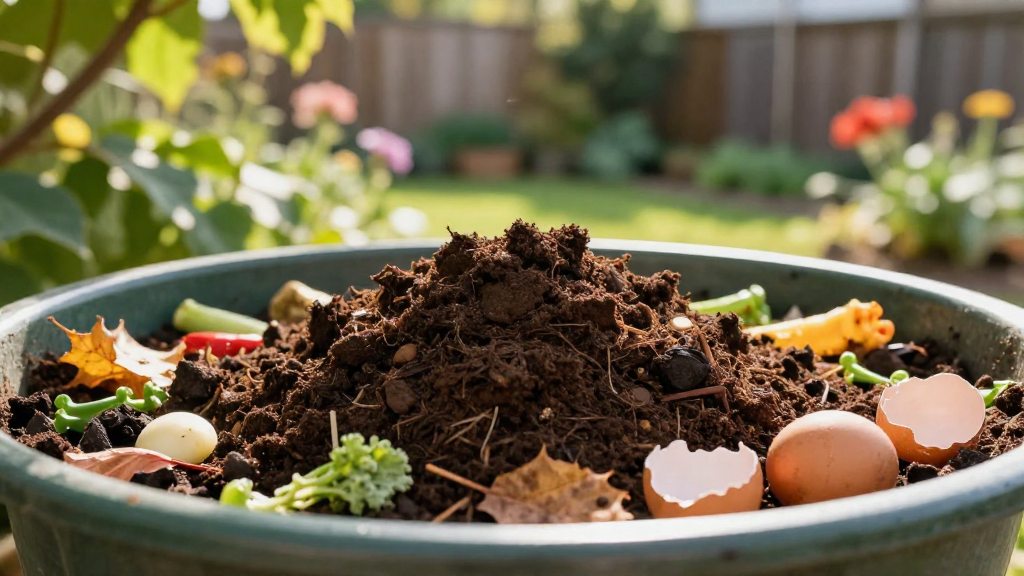
Are you interested in learning eco composting tips to sustainably manage waste and enrich your garden soil?
Composting is a natural process that converts organic waste into a nutrient-rich soil conditioner.
In this article, we will cover essential eco composting tips to help you start composting the eco-friendly way.
What Is Composting and Why Is It Important?
Composting is the process of breaking down organic materials like food scraps, yard waste, and paper into a stable, beneficial substance called compost.
This nutrient-rich material can be used to improve soil health, promote plant growth, and reduce the amount of waste sent to landfills.
Why is composting vital for the environment?
– Reduces landfill waste: Composting can divert up to 30% of household waste from landfills.
– Decreases greenhouse gases: Organic waste decomposing in landfills releases methane, a potent greenhouse gas.
– Enhances soil health: Compost adds essential nutrients and improves soil structure, leading to healthier plants.
By adopting eco composting tips, you can significantly impact the environment while benefiting your garden.
What Should You Compost?
To get started with eco composting, it’s crucial to know what materials are suitable for composting.
Here’s a list of compostable materials to consider:
Green Materials (Nitrogen-Rich)
- Fruit and vegetable scraps
- Coffee grounds and filters
- Grass clippings
- Eggshells
- Manure from herbivorous animals
Brown Materials (Carbon-Rich)
- Dry leaves
- Straw and hay
- Paper (non-glossy)
- Cardboard
- Sawdust
Avoid composting these materials:
– Meat and dairy products
– Oils and greasy foods
– Pet waste
– Diseased plants
– Weeds that have gone to seed
Following these eco composting tips will help you create a balanced compost pile, with a good mix of green and brown materials.
How Do You Start Composting?
Starting a compost pile can be straightforward if you follow these steps:
- Choose a location: Select a dry, shady spot in your yard with good air circulation.
- Select a compost bin or heap: You can buy a compost bin, or simply create a pile in your yard.
- Layer your materials: Start with a layer of coarse materials like twigs or straw, followed by alternating layers of green and brown materials.
- Maintain moisture: Ensure your compost is damp but not soaking wet. A moisture content similar to a sponge is ideal.
- Aerate: Turn your compost pile every few weeks to provide oxygen, which speeds up decomposition.
- Be patient: Composting can take anywhere from a few weeks to several months, depending on conditions and materials.
By following these straightforward steps, you’ll be well on your way to successful composting.
What Are Some Eco Composting Tips for Beginners?
As a beginner, remember these eco composting tips to enhance your composting experience:
- Start small: If this is your first time composting, begin with a small bin or pile.
- Observe your compost: Regularly check the temperature and moisture levels to ensure ideal conditions.
- Be mindful of smells: If your compost smells bad, it may be too wet or lack air. Adjust the balance by adding dry materials or turning the pile.
- Use composting worms: Vermicomposting is a great option for small spaces. Red wigglers break down organic material faster and produce high-quality compost.
- Experiment with additives: Adding crushed eggshells for calcium or coffee grounds for nitrogen can further optimize your compost.
How Can You Use Compost in Your Garden?
Using compost in your garden is one of the most rewarding benefits of eco composting. Here’s how:
- Soil amendment: Mix compost into your soil before planting. It enhances soil fertility and structure.
- Mulching: Spread a layer of compost around your plants to suppress weeds and retain moisture.
- Top dressing: Apply a thin layer of compost on top of your existing soil to provide ongoing nutrients for your plants.
- Compost tea: Soak compost in water for a few days to create a nutrient-rich liquid fertilizer.
Incorporating compost into your gardening practices leads to healthier plants and a more productive garden.
What Are Common Mistakes to Avoid?
When starting your composting journey, avoiding these common pitfalls can significantly enhance your success:
- Overloading with one material: Balance is key. Too many greens or browns can disrupt the decomposition process.
- Ignoring the compost pile: Regularly check on your pile to maintain proper aeration and moisture levels.
- Using the wrong bin: Choose a compost bin that allows for proper aeration and drainage. A sealed container can lead to odor and lack of decomposition.
- Not being patient: Composting is a natural process. Don’t rush it. Good compost takes time to develop.
Learning from setbacks and adjusting accordingly is part of the eco composting journey.
How Can You Share Your Composting Experience and Encourage Others?
Community involvement amplifies the impact of eco composting. Here are some ideas to share your composting journey:
- Host workshops: Organize classes in your neighborhood to teach others the basics of composting.
- Create a community compost site: Collaborate with others to set up a communal composting area.
- Share on social media: Post your progress, tips, and successes online to inspire your friends and followers.
- Provide resources: Share printed flyers or digital guides with eco composting tips to help others start their composting journey.
Creating a composting community supports sustainable practices and helps protect our environment.
Conclusion: Are You Ready to Start Composting the Eco Friendly Way?
Now that you have a wealth of eco composting tips, you are equipped to start composting the eco-friendly way.
Remember to be patient and observant during the composting process.
By incorporating compost into your gardening practices, you can enjoy healthier plants, contribute to waste reduction, and enhance the earth’s sustainability.
Your commitment to composting is a powerful step towards a greener future.
So, gather your materials, select your compost bin, and embark on this fulfilling journey!
Happy composting!