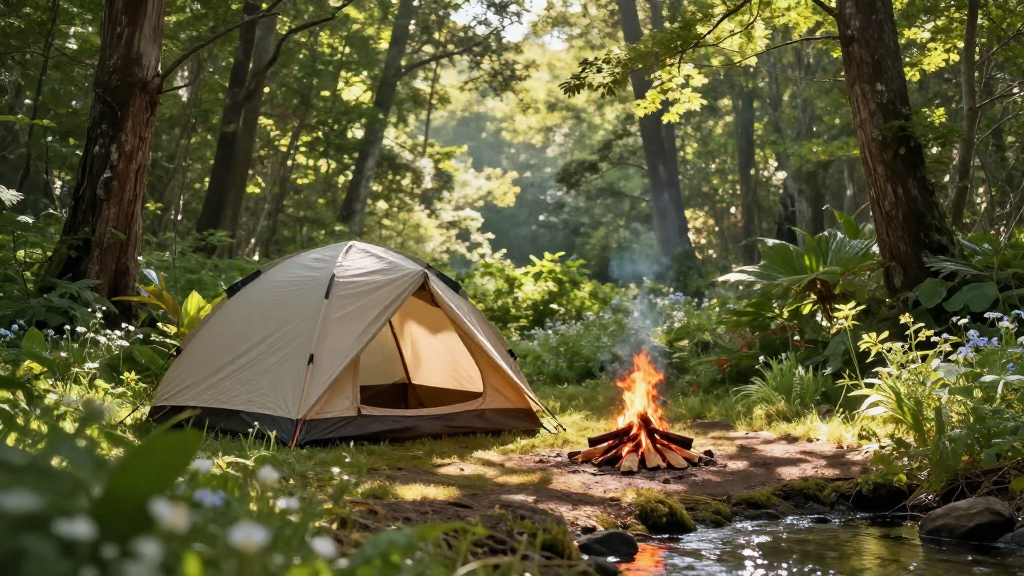
Going eco friendly camping is a vital way to enjoy the great outdoors while minimizing your impact on the environment.
In this article, we will explore practical tips and essential practices that you can adopt to make your camping experiences sustainable and enjoyable.
What Makes Camping Eco Friendly?
Eco friendly camping refers to the practice of enjoying nature without leaving a negative footprint on the environment.
Here are some key principles that define eco friendly camping:
- Leave No Trace: Respect the natural surroundings by following the Leave No Trace principles.
- Sustainable Gear: Use equipment and tools made from sustainable materials.
- Conserve Water: Limit your water usage to protect local water sources.
- Responsible Wildlife Interaction: Observe wildlife from a distance without disturbing their habitats.
By embracing these practices, you can enjoy the beauty of nature while ensuring it is preserved for future generations.
How to Prepare for Eco Friendly Camping?
Preparation is crucial for eco friendly camping. Here are some essential steps to consider:
1. Choose Your Location Wisely
– Opt for established campgrounds that have eco-friendly practices in place.
– Research parks or sites that prioritize sustainability.
2. Use Eco Friendly Gear
– Look for camping gear made from recycled or biodegradable materials.
– Consider solar-powered devices for a sustainable energy source.
3. Plan Your Meals
– Bring reusable containers and utensils to minimize waste.
– Prepare meals that require fewer resources, such as one-pot dishes.
4. Pack Smart
– Use a durable backpack to avoid using plastic bags.
– Bring only what you need to reduce weight and waste.
What Should You Bring for Eco Friendly Camping?
Packing for eco friendly camping requires mindful choices. Here’s a list of items to consider:
- Biodegradable soaps and detergents: To minimize chemical effects on the environment.
- Solar-powered chargers: Keep your devices charged without relying on fossil fuels.
- Reusable water bottles: Avoid single-use plastic by carrying your own container.
- Eco-friendly toilet paper: Opt for products that decompose easily.
- Cloth napkins and utensils: Reduce waste by using washable options.
This list can help ensure you’re equipped to maintain your eco-friendly ethos during your camping trip.
How to Minimize Your Impact While Camping?
Once you’re at the campsite, it’s essential to practice sustainable living. Here are some effective strategies:
Respect Nature
- Stick to Trails: Always stay on marked trails to prevent soil erosion and plant damage.
- Don’t Disturb Wildlife: Observe animals from a safe distance; feeding them can disrupt their natural behavior.
Proper Waste Disposal
- Pack It In, Pack It Out: Bring back all trash, including leftover food.
- Compost When Possible: Use a small compost container for organic waste if regulations permit.
Conserve Resources
- Limit Generator Use: Use generators sparingly to minimize noise and air pollution.
- Be Mindful of Water Use: Take short showers and avoid wasteful practices.
By implementing these practices, you’ll protect the beauty of nature while enjoying a fulfilling camping experience.
How to Camp Responsibly Near Water Sources?
Water bodies are delicate ecosystems. When camping near lakes, rivers, or streams, follow these recommendations to keep them safe:
- Set Up Camp Away from Water: Establish your campsite at least 200 feet from the water to avoid pollution.
- Use Biodegradable Products: Regular soaps can harm aquatic life; choose eco-friendly cleaning solutions.
- Avoid Washing Dishes in Water Sources: Wash your dishes at least 200 feet away from any water body to prevent contamination.
Practicing these methods will help preserve the clear water and rich biodiversity that thrive around our lakes and rivers.
Can You Leave a Positive Impact on the Environment While Camping?
Absolutely! Camping offers a chance to give back to the environment. Here are ways you can contribute positively:
- Participate in Clean-Up Activities: Join local groups that organize park and beach clean-ups.
- Volunteer for Conservation Projects: Consider spending some of your camping days helping with habitat restoration efforts.
- Teach Others About Eco Friendly Camping: Sharing your knowledge can inspire fellow campers to embrace sustainable practices.
By engaging in these activities, you can become a steward of the environment and inspire others to protect it as well.
Why Is Eco Friendly Camping Important?
Engaging in eco friendly camping is essential for various reasons:
- Preserves Wildlife Habitats: Sustainable camping practices ensure that habitats remain intact for wildlife.
- Mitigates Climate Change: Reducing waste and using sustainable resources contributes to a healthier planet.
- Promotes Healthy Living: Camping encourages physical activity and reconnects individuals with nature.
Understanding the importance of eco friendly camping can motivate future generations to care for the environment, ensuring its beauty endures.
What Resources Are Available for Eco Friendly Camping?
There are numerous resources available to help guide your eco friendly camping journey. Here are a few noteworthy websites and organizations:
- Leave No Trace Center for Outdoor Ethics: Offers informative resources and courses on promoting sustainable outdoor practices.
- The Sierra Club: Provides information on eco-friendly camping locations and projects.
- National Park Service: Details on camping regulations, including guidance for sustainable camping practices in national parks.
Utilizing these resources can enhance your understanding and commitment to environmental conservation.
Conclusion: Is Eco Friendly Camping Just a Trend?
Eco friendly camping is far from just a trend; it is a necessary mindset for anyone who enjoys the outdoors.
By adopting sustainable practices, you can experience the beauty of nature while ensuring it remains unharmed for future visitors.
Embrace the adventure of eco friendly camping and become part of a broader movement to protect our planet, ensuring everyone can enjoy its wonders for years to come.
By following the tips and principles outlined above, you can make responsible choices that respect nature and foster the health of our environment.
Happy eco friendly camping!