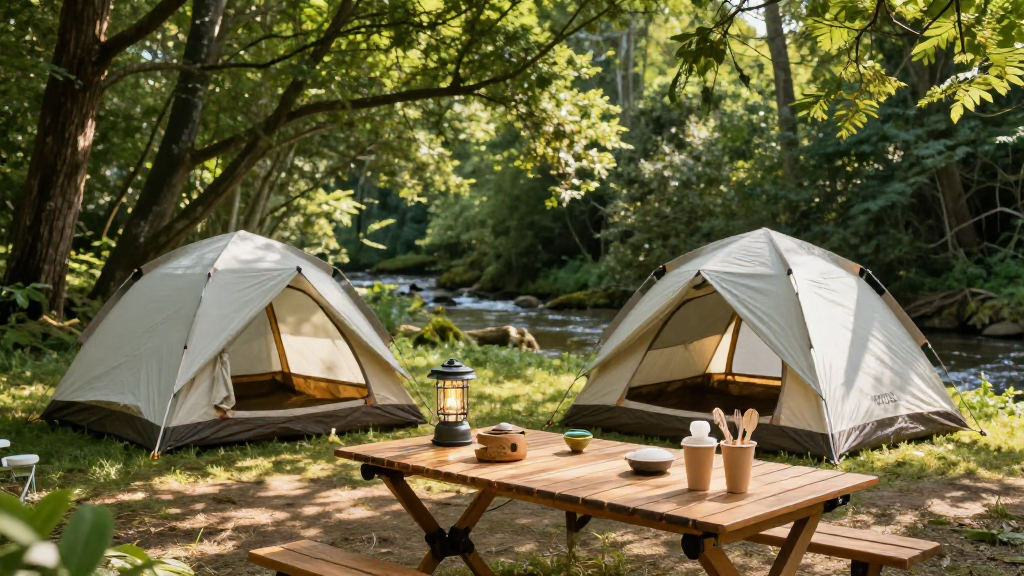
When planning your next outdoor adventure, having a comprehensive eco camping checklist is crucial for a sustainable and enjoyable experience.
Why Do You Need an Eco Camping Checklist?
An eco camping checklist serves as your guide to ensure you bring all necessary gear while minimizing your environmental footprint.
Engaging in eco-friendly camping not only helps preserve nature but also enhances your overall camping experience.
Let’s break down what you should include in your eco camping checklist to make your trip more sustainable.
What Gear Do You Need for Eco Camping?
Shelter and Sleeping Gear
-
Tent: Choose a lightweight, non-toxic tent made from environmentally friendly materials.
-
Sleeping Bag: Opt for a sleeping bag that is made from recycled materials and has a low environmental impact.
-
Sleeping Pad: Look for an eco-friendly sleeping pad, preferably made from natural latex or a sustainable alternative.
-
Eco-friendly Tarp: Consider a tarp made from recycled materials to protect your equipment and provide additional outdoor living space.
Cooking Equipment
-
Portable Stove: Use a compact, fuel-efficient stove that minimizes energy consumption.
-
Biodegradable Soap: Always pack biodegradable soap for cleaning utensils and cookware.
-
Reusable Utensils and Dishware: Bring stainless steel or bamboo utensils, plates, and cups to eliminate single-use plastics.
-
Eco-friendly Cookware: Choose cookware made from non-toxic materials like stainless steel or cast iron.
Hydration Solutions
-
Reusable Water Bottles: Invest in high-quality reusable water bottles to keep you hydrated and avoid plastic waste.
-
Water Filter: Include a portable water filter to purify natural water sources instead of buying bottled water.
What Clothing Should Be in Your Eco Camping Checklist?
Eco-Friendly Clothing
-
Merino Wool Base Layers: These are both warm and odor-resistant, making them ideal for camping.
-
Recycled Polyester or Organic Cotton T-Shirts: Opt for lightweight and breathable shirts that are easy to wash and quick-drying.
-
Durable Hiking Pants: Choose pants made from sustainable materials that provide comfort and flexibility.
-
Waterproof Jacket: Look for a jacket made from recycled materials, ensuring it’s breathable while keeping you dry.
Footwear
-
Hiking Boots: Invest in a sustainable pair of hiking boots that are durable and made from environmentally friendly materials.
-
Eco-friendly Socks: Don’t forget to include socks made from natural or recycled materials to keep your feet comfortable.
How Do You Practice Leave No Trace Principles?
Clean Up After Yourself
-
Trash Bags: Always pack out what you bring in. Include a reusable trash bag in your eco camping checklist.
-
Composting Toilet Kits: If you’re camping in an area without bathrooms, consider bringing a compact composting toilet system.
Wildlife Protection
-
Food Storage Containers: Use bear-proof containers to keep your food safe from wildlife while protecting their natural feeding habits.
-
Biodegradable Repellents: Choose insect repellents that are free from harmful chemicals affecting the wildlife around you.
What Eco-Friendly Accessories Should You Take?
Lighting Solutions
-
Solar Lanterns: Include solar-powered lanterns or string lights that can be recharged during daylight hours.
-
Headlamps with Rechargeable Batteries: Opt for LED headlamps that have a long battery life and can be recharged.
Multi-use Tools
-
Multi-tool: A quality multi-tool can help with various tasks around the campsite and save you from carrying multiple items.
-
Biodegradable Trowel: For essential digging tasks, use a biodegradable trowel to minimize your impact.
How Can You Stay Engaged with Nature?
Nature Guides
-
Field Guides: Pack a field guide for plants, birds, or wildlife in your camping area to enhance your appreciation of nature.
-
Notebook or Journal: A sustainable notebook can be a great way to document your experiences and thoughts during your camping trip.
Games and Activities
-
Eco-friendly Sports Equipment: Consider lightweight and sustainably-produced gear, such as Frisbees or biodegradable balls.
-
Nature Scavenger Hunt: Create a scavenger hunt list to engage your group with the surrounding environment.
Can You Prepare for Emergencies?
First Aid Kit Essentials
-
Eco-friendly First Aid Kit: Pack a first aid kit with items that are sustainably sourced, such as natural bandages and organic antiseptics.
-
Emergency Whistle: Include a whistle to signal for help if needed.
-
Navigation Tools: Bring a map and compass to avoid getting lost and minimize reliance on electronic devices.
Repair Kits
-
Gear Repair Kits: Include patch kits for tents and other gear—ideally made from eco-friendly materials.
-
Multi-tool or Duct Tape: These can help you fix minor issues on-site without needing replacements.
What Final Touches Should You Add to Your Eco Camping Checklist?
Personal Care Items
-
Natural Sunscreen and Insect Repellent: Select products that are free from harmful chemicals to protect both you and the environment.
-
Reusable Toiletries: Bring items like shampoo bars, solid soap, and bamboo toothbrushes to reduce waste.
Behavioral Considerations
-
Mindful Packing: Only bring what you really need for your trip and focus on lightweight, multi-purpose items.
-
Educate Others: Share information about eco camping with your friends or family to foster a greater appreciation for sustainable practices.
Conclusion: Your Eco Camping Experience Awaits
By using this eco camping checklist, you can embark on your next outdoor adventure with confidence.
Not only will you have everything you need for a fun and comfortable camping experience, but you’ll also positively impact the environment.
Remember, good planning and the right gear make all the difference in enjoying our beautiful planet while preserving it for future generations.
Get ready to embrace the great outdoors—sustainably!