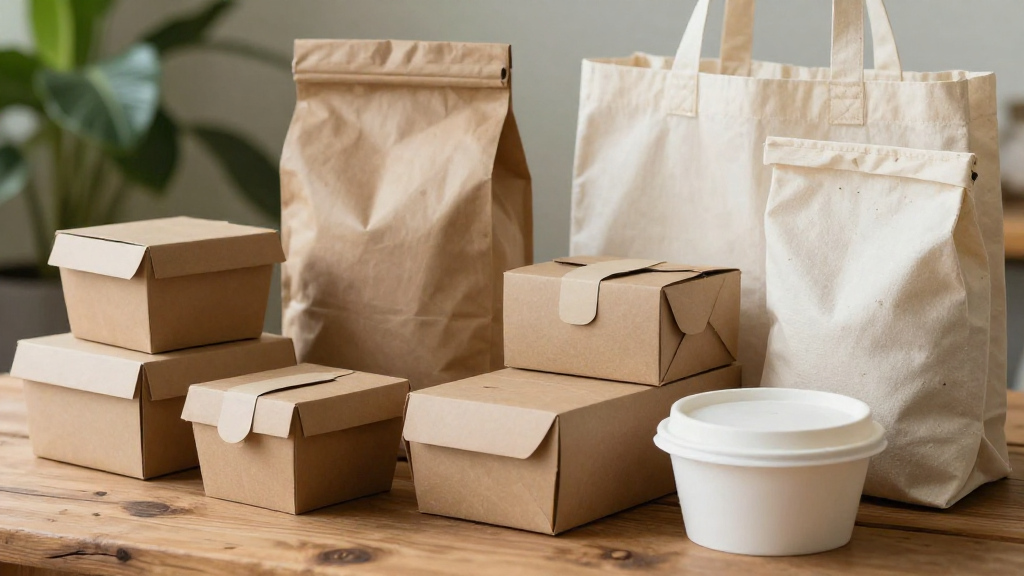
In today’s world, businesses are increasingly seeking eco friendly packaging alternatives to reduce their environmental impact.
As consumers become more aware of sustainability issues, brands are compelled to re-evaluate their packaging options.
What are some of the most effective eco friendly packaging alternatives available today?
Why Choose Eco Friendly Packaging Alternatives?
Choosing eco friendly packaging alternatives is not just a trend; it reflects a growing awareness of environmental issues.
Here’s why businesses should consider making the switch:
-
Reduces Waste: Unlike traditional packaging, eco friendly options minimize waste and reduce the carbon footprint.
-
Improves Brand Image: Businesses committed to sustainability attract eco-conscious consumers, enhancing their brand loyalty.
-
Meets Regulatory Standards: With increasing government regulations on packaging, using sustainable options can help businesses stay compliant.
What Are the Best Options for Eco Friendly Packaging Alternatives?
When considering eco friendly packaging alternatives, several options stand out:
-
Biodegradable Plastics
– Made from natural materials like corn starch or sugarcane, these plastics decompose within months in industrial composting conditions.
– Look for certifications to ensure sustainability claims are valid. -
Mushroom Packaging
– This innovative material is made from mycelium and agricultural waste.
– It’s 100% biodegradable and compostable, breaking down into non-toxic components. -
Recycled Paper & Cardboard
– Using recycled materials reduces the need for virgin resources and minimizes landfill waste.
– This option is versatile, suitable for various products from boxes to wrapping paper. -
Glass Containers
– Durable and reusable, glass is an excellent eco friendly alternative for packaging food and beverages.
– Unlike plastic, it doesn’t leach chemicals and can be recycled indefinitely. -
Plant-Based Materials
– Materials from crops such as bamboo, hemp, or sugarcane can provide strong, biodegradable packaging solutions.
– These can replace plastic in various applications, from bags to straws. -
Reusable Packaging
– Encouraging customers to return packaging can significantly reduce waste.
– Consider designing sturdy, attractive containers that encourage repeated use. -
Compostable Films
– Made from materials like PLA (polylactic acid), compostable films can safely break down in composting environments.
– Ideal for products that require a lightweight, protective package. -
Natural Textiles
– Sourcing fabrics like organic cotton, jute, or hemp for bags can enhance your brand’s sustainability profile.
– These materials are durable, reusable, and biodegradable.
How Can Businesses Transition to Eco Friendly Packaging Alternatives?
Transitioning to eco friendly packaging alternatives can seem daunting, but following a structured approach can ease the process:
-
Evaluate Current Packaging
– Conduct an audit to analyze existing packaging materials.
– Identify which items can be replaced with eco-friendly options. -
Research Suppliers
– Look for suppliers specializing in sustainable packaging.
– Check their sustainability practices and product certifications. -
Prototype and Test
– Before a full rollout, create prototypes using new materials.
– Analyze their effectiveness, durability, and cost. -
Educate Your Team
– Ensure all employees understand why switching to eco friendly packaging is vital.
– Training can foster a culture of sustainability within the company. -
Communicate with Consumers
– Share your commitment to eco-friendly practices through marketing materials.
– Customers appreciate transparency and are more likely to support sustainable initiatives.
What Are the Challenges of Switching to Eco Friendly Packaging Alternatives?
While the benefits of using eco friendly packaging alternatives are clear, businesses may face several challenges:
-
Cost Considerations: Eco friendly materials can sometimes be more expensive than conventional options. However, the long-term savings from reduced waste and increased customer loyalty can outweigh initial costs.
-
Supply Chain Issues: Sourcing sustainable materials might complicate logistics. It’s essential to establish reliable partnerships with suppliers who share your eco-friendly vision.
-
Customer Acceptance: Some customers may be hesitant to accept changes in packaging. Transparency about the benefits and engaging them in the process can help mitigate this challenge.
What Are the Future Trends in Eco Friendly Packaging Alternatives?
As companies continue to innovate, the landscape of eco friendly packaging alternatives is continuously evolving.
Here are some trends to keep an eye on:
-
Smart Packaging Technologies
– Innovations in technology are leading the way for packaging that can interact with consumers or monitor freshness levels, all while being eco-friendly. -
Edible Packaging
– The development of packaging made from food-derived materials that can be eaten is a revolutionary step towards eliminating waste. -
Minimalist Packaging
– The trend towards simplicity not only reduces the amount of material used but also contributes to lower transportation costs and emissions. -
Increased Focus on Circular Economy
– More businesses are adopting models that support a circular economy, where products and packaging are designed to be reused, repaired, or recycled. -
Consumer-Driven Initiatives
– As consumers demand more sustainable options, brands will increasingly need to cater to these preferences, aligning their values with those of their customers.
Conclusion: Why Switch to Eco Friendly Packaging Alternatives?
The wealth of eco friendly packaging alternatives available today presents almost endless possibilities for businesses aiming to be more sustainable.
From biodegradable materials to innovative designs, there’s a solution for every need.
Transitioning to these alternatives not only reduces environmental impact but also enhances brand loyalty and compliance with evolving regulations.
As more businesses embrace eco-friendly solutions, the future of packaging looks greener, which is a win-win for both the planet and consumers.
Make the switch today, and join the movement towards a more sustainable future!