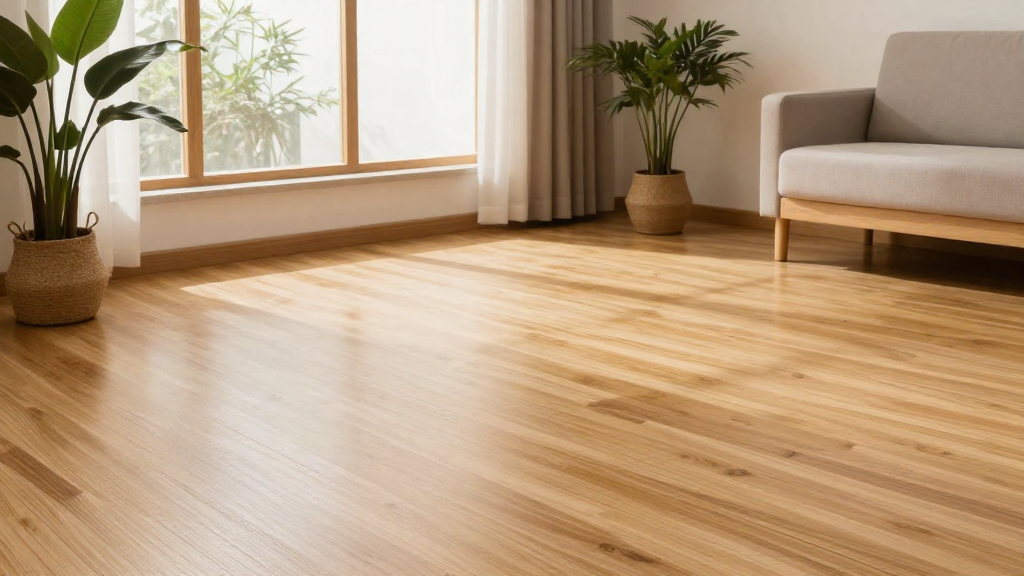
In today’s world, making sustainable choices is more important than ever.
One area where you can make a significant impact is in your choice of flooring.
This article explores various options to help you choose the best eco friendly flooring for your home.
Why Should You Consider Eco Friendly Flooring?
Choosing eco friendly flooring goes beyond aesthetics; it contributes to the overall health of the planet.
Here are some compelling reasons to consider:
- Sustainability: Many eco friendly flooring options are made from renewable resources.
- Reduced Emissions: Eco friendly materials often have less environmental impact in terms of production and installation.
- Health Benefits: Non-toxic materials improve indoor air quality, which is crucial for your family’s health.
What Are the Best Options for Eco Friendly Flooring?
When it comes to eco friendly flooring, there are various materials that stand out.
Let’s take a closer look at some of the best options:
1. Bamboo Flooring
Bamboo is one of the most popular choices for eco friendly flooring due to its rapid growth rate.
- Sustainable: Bamboo can grow up to 91 cm in a single day.
- Durable: It’s harder than traditional hardwoods.
- Aesthetic Appeal: Offers a unique look and can be stained or treated to match your décor.
2. Cork Flooring
Cork is harvested from the bark of the cork oak tree, making it a renewable resource.
- Soft and Comfortable: Provides a natural cushion underfoot.
- Insulating Properties: Cork helps regulate temperature and reduces noise.
- Natural Pest Repellent: Resists mold and mildew naturally.
3. Reclaimed Hardwood
Reclaimed hardwood is sourced from old buildings or salvaged wood, giving new life to previously-used materials.
- Environmental Impact: Helps reduce deforestation and landfill waste.
- Unique Character: Each piece tells a story with its unique imperfections.
- Durability: Often more robust than new wood due to its aging process.
4. Linoleum
Linoleum is a classic eco friendly flooring option made from natural materials like linseed oil, wood flour, and jute.
- Non-Toxic: Unlike vinyl, it doesn’t emit harmful chemicals.
- Biodegradable: At the end of its life cycle, linoleum can break down naturally.
- Variety of Designs: Available in numerous colors and patterns to suit any style.
5. Natural Stone
Natural stone flooring, such as slate or granite, offers durability and an unending aesthetic appeal.
- Longevity: Can last a lifetime with proper care.
- Low Maintenance: Once sealed properly, it’s resistant to stains and moisture.
- Natural Beauty: Every slab is unique, giving you a one-of-a-kind floor.
6. Porcelain Tile
Porcelain tile is made from natural clay and is known for its strength and versatility.
- Durable and Long-lasting: Tough enough to handle high traffic.
- Water Resistant: Suitable for bathrooms and kitchens.
- Eco Friendly Options: Look for tiles made from recycled materials.
How to Choose Eco Friendly Flooring That Fits Your Needs?
When selecting eco friendly flooring, there are several factors to consider.
Here’s a handy checklist:
- Budget: Determine how much you are willing to spend.
- Style: Consider the overall aesthetic of your home.
- Durability: Choose materials that will withstand your lifestyle.
- Installation: Some flooring types are easier to install than others.
- Maintenance Needs: Opt for flooring that fits your cleaning routine.
How to Maintain Eco Friendly Flooring?
Maintaining your eco friendly flooring is crucial for longevity and minimal environmental impact.
Here are some tips for each flooring type:
Bamboo and Cork
- Regular Sweeping: Use a soft broom to remove dirt and dust.
- Damp Cloth: Wipe regularly with a damp cloth; don’t saturate the surface.
Reclaimed Hardwood
- Avoiding Moisture: Use rugs in high-moisture areas to prevent warping.
- Polishing: Use natural oils occasionally to maintain shine.
Linoleum
- Regular Cleaning: Use a mild detergent and a damp mop for cleaning.
- Avoid Harsh Chemicals: Stick to non-toxic cleaning agents.
Natural Stone
- Sealing: Apply stone sealer to discourage stains.
- Use pH Neutral Cleaners: Harsh chemicals can damage the seal.
Porcelain Tile
- Routine Sweeping/Vacuuming: Prevent scratches and dirt buildup.
- Grout Care: Clean grout lines regularly to avoid mildew.
What Are Some Additional Eco-Friendly Practices?
In addition to choosing eco friendly flooring, you can adopt other eco-conscious practices:
- Use Natural Adhesives: If installation requires adhesive, choose low-VOC options.
- Recycle Old Flooring: Repurpose or recycle old materials instead of sending them to the landfill.
- Invest in Area Rugs: Area rugs can protect your floors and allow for easy cleaning.
Conclusion: Why Eco Friendly Flooring Matters
In sum, choosing the right eco friendly flooring is not just a trend—it’s a lifestyle choice that positively impacts the environment.
From bamboo and cork to reclaimed hardwood and porcelain tile, there are numerous sustainable options available today.
By selecting eco friendly flooring, you’re not only enhancing your living space but also making a conscious decision to support the planet.
Make informed choices, promote healthy living, and contribute to a sustainable future, one floorboard at a time.
By implementing mindful selections for your flooring, you’re taking a step toward a greener and healthier home.
Make your eco-friendly flooring choice today and enjoy the benefits for years to come!