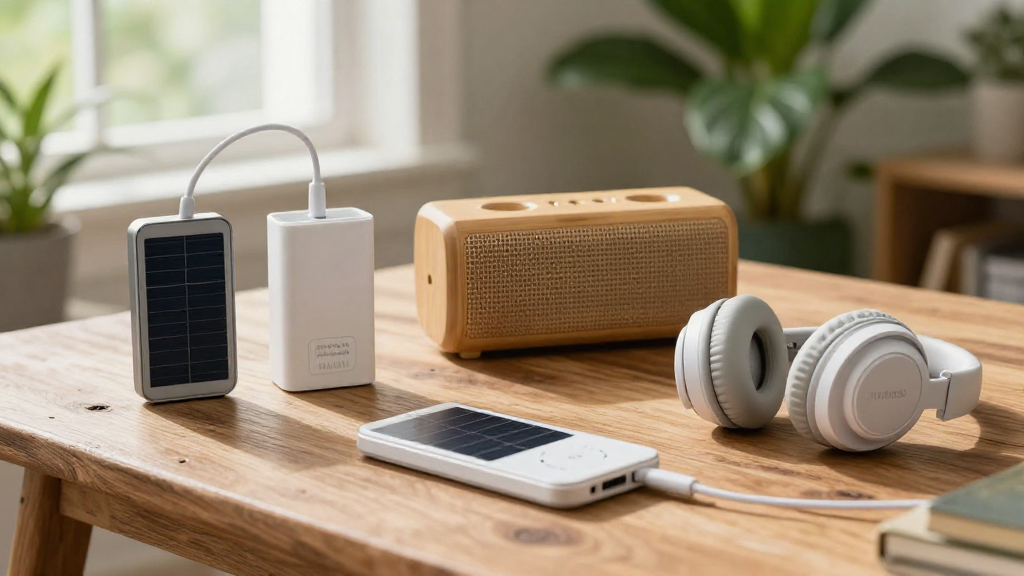
In today’s tech-savvy world, the demand for eco friendly electronics is on the rise.
As consumers become more conscious of their environmental impact, companies are racing to produce devices that minimize harm to the planet.
But what exactly qualifies as eco friendly electronics?
What Defines Eco Friendly Electronics?
To determine what qualifies as eco friendly electronics, we must consider several factors:
- Materials Used: Eco friendly electronics are often made from sustainable, biodegradable, or recyclable materials.
- Energy Efficiency: These devices typically consume less energy, aiding in the reduction of greenhouse gas emissions.
- Longevity: Designed for durability, eco friendly electronics last longer than traditional devices.
- Recyclability: They should be easily recyclable at the end of their life cycle, preventing electronic waste from polluting the environment.
All these attributes contribute to the positive impact eco friendly electronics have on the environment.
Which Electronics Are Eco Friendly?
Are Smartphones Considered Eco Friendly?
Yes, several smartphone manufacturers are stepping up their game in producing eco friendly electronics.
For instance, brands like Fairphone emphasize ethical sourcing and repairability.
Others are investing in recycled materials, such as Apple with their use of recycled aluminum in iPhones.
Key features to look for in eco friendly smartphones:
– Use of recycled materials
– Energy efficiency certifications
– Long software support for updates
– Ability to repair or upgrade components
How About Laptops and Computers?
Laptops and desktops are also evolving in their eco credentials.
What Should You Look For?
When shopping for eco friendly laptops, consider the following:
– Energy Star Certification: A reliable indicator of energy efficiency.
– Sustainable Materials: Look for manufacturers that use recycled plastics or metals.
– E-Waste Programs: Companies that offer recycling programs can greatly reduce the impact of electronic waste.
Eco friendly laptop brands include:
– Lenovo
– HP
– Dell
These manufacturers are increasingly dedicated to integrating sustainability into their production processes.
Are Home Appliances Eco Friendly?
Absolutely! Many home appliances are now designed with sustainability in mind.
Key Appliance Types to Consider:
– Refrigerators: Look for Energy Star-rated models that minimize energy consumption.
– Washing Machines: High-efficiency models use less water and energy.
– Microwaves and Ovens: Some brands are now focusing on energy-efficient cooking options.
These appliances not only save energy but also help reduce your monthly utility bills.
What About Wearable Electronics?
Wearable technology like smartwatches and fitness trackers is another growing category within eco friendly electronics.
Why Are Wearables Important?
Apart from being trendy, wearables often come with features promoting a sustainable lifestyle.
For instance, they can encourage more walking or cycling, thus reducing reliance on motor vehicles.
Tips for Choosing Eco Friendly Wearables:
– Look for brands with sustainable practices in their manufacturing.
– Consider devices with long battery life to reduce energy consumption.
– Evaluate the potential for upgradability instead of requiring a full replacement.
How Do Eco Friendly Electronics Impact the Environment?
Using eco friendly electronics contributes significantly to environmental protection.
Here’s How:
- Reduces Electronic Waste: Eco friendly products are designed to be sustainable and often come with better recycling options.
- Decreases Energy Consumption: These devices use less energy, leading to reduced fossil fuel dependence and lower greenhouse gas emissions.
- Conserves Resources: By using recycled materials, less raw material extraction is required, which reduces habitat destruction and pollution.
Why Is This Important?
The ramifications of global e-waste are staggering, with millions of tons created annually.
Opting for eco friendly electronics can greatly mitigate this issue, fostering a healthier planet for future generations.
What Are the Challenges of Eco Friendly Electronics?
Despite the benefits, there are challenges to be addressed in the realm of eco friendly electronics.
- Cost: Eco friendly devices often come at a premium price, which can deter budget-conscious consumers.
- Availability: The market for sustainable technology is growing, but it’s not yet mainstream. This can lead to limited choices.
- Consumer Education: Many consumers may not be aware of how to assess the eco-friendliness of a product.
- Industry Standards: The lack of universally accepted certifications can make it difficult for consumers to discern which products are genuinely eco friendly.
How Can You Make Eco Friendly Choices in Electronics?
As a conscious consumer, you can take several steps to ensure your electronics choices are environmentally friendly:
- Research Brands: Look for companies committed to sustainability.
- Prioritize Energy Efficiency: Hunt for Energy Star certifications or similar.
- Consider Lifecycle: Evaluate a product’s entire lifecycle for sustainability.
- Choose Recycled Products: Support manufacturers that use recycled materials.
- Participate in Recycling Programs: Ensure your old electronics are disposed of properly.
By making these conscious decisions, you contribute to a market demand for eco friendly electronics and help drive industry change.
Conclusion
The future of electronics lies in sustainability, and eco friendly electronics are leading the charge.
From smartphones and laptops to home appliances and wearables, there’s a growing variety of options available.
Understanding what defines eco friendly electronics and how to choose them empowers you to make choices that benefit not just your immediate needs but also our planet’s health.
By prioritizing eco friendly products, we all play a part in fostering a greener, more sustainable future.
As technologies evolve, so too should our approach to consuming them.
Embracing eco friendly electronics is not just a trend – it’s a necessary shift towards a more sustainable lifestyle.