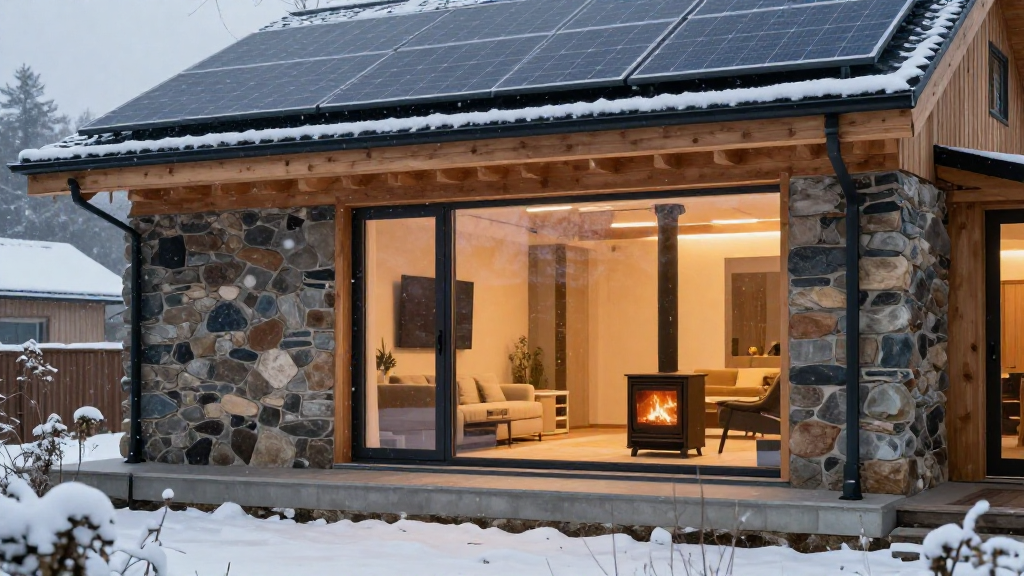
As winter approaches, many homeowners start to look for eco heating options to keep their homes warm and comfortable without harming the environment.
Why Choose Eco Heating Options?
Eco heating options are designed to minimize carbon footprints while providing effective heating solutions.
They typically utilize renewable energy sources or are highly efficient, reducing energy consumption and costs.
Here are some reasons to consider eco heating options:
- Environmental benefits: Reduced greenhouse gas emissions.
- Cost savings: Lower energy bills over time.
- Energy independence: Less reliance on fossil fuels.
- Increased comfort: Consistent heating and better indoor air quality.
What Are Some Common Eco Heating Options?
When it comes to eco heating options, there are several viable alternatives to traditional heating methods.
These options can effectively maintain a cozy home environment during winter.
Here’s a closer look at some of the most popular eco heating options:
1. Heat Pumps
Heat pumps work by transferring heat from the outside air or ground into your home.
There are two main types:
- Air source heat pumps: Extract heat from the air.
- Ground source heat pumps: Extract heat from the ground.
Advantages of heat pumps include:
- High energy efficiency (up to 300% efficiency).
- Dual functionality (heating in winter and cooling in summer).
- Lower carbon footprint compared to conventional systems.
2. Wood and Biomass Stoves
For those who love the aesthetic and warmth of a fire, wood and biomass stoves are popular eco heating options.
These stoves burn sustainable fuels like wood pellets, making them more eco-friendly than traditional coal or oil stoves.
Benefits of wood and biomass stoves include:
- Renewable energy source.
- Lower CO2 emissions when sourced responsibly.
- Ability to use locally-sourced fuel.
3. Solar Heating Systems
Solar heating systems utilize the sun’s energy to heat your home.
These systems are generally divided into two types:
- Active solar heating: Uses pumps and fans to circulate heated air or fluids.
- Passive solar heating: Incorporates design elements like large windows and thermal mass to absorb and retain heat.
Notable advantages of solar heating systems:
- Zero emissions during operation.
- Long-term cost savings after the initial investment.
- Tax incentives and rebates in many regions.
4. Electric Radiant Floor Heating
Electric radiant floor heating is an elegant and efficient way to heat your home.
This system involves installing electric heating cables under your floor, which radiates heat upwards.
Benefits include:
- Enhanced comfort with even heat distribution.
- Energy savings by warming up only occupied areas.
- Compatibility with renewable energy sources.
5. Hydronic Heating Systems
Hydronic heating uses water to transfer heat through a system of pipes and radiators.
This eco heating option can be powered by renewable energy sources such as solar thermal systems or biomass boilers.
Key advantages of hydronic systems:
- High energy efficiency levels.
- Improved air quality compared to forced air systems.
- Quiet operation.
How Do I Select the Right Eco Heating Option?
Choosing the best eco heating option for your home can depend on several factors, including your location, budget, and existing infrastructure.
Here are some critical considerations:
1. Evaluate Your Home’s Energy Needs
Understanding how much heat your home requires is crucial when selecting eco heating options.
You can calculate this based on:
- Square footage.
- Insulation quality.
- Number of windows and doors.
2. Assess Local Energy Sources
The availability of renewable energy resources in your area can impact your decision.
For instance:
- Regions with ample sunlight could benefit significantly from solar heating systems.
- Areas with heavy rainfall or trees may find wood and biomass stoves more practical.
3. Consider Initial Setup Costs vs. Long-term Savings
While some eco heating options may have higher upfront costs, they can result in long-term savings on energy bills.
Weighing these factors will help you make the most informed choice.
4. Check for Local Incentives and Regulations
There might be tax benefits, rebates, or grants available for homeowners who choose eco heating options.
Be sure to research any local regulations or requirements when installing renewable systems.
How Can I Maximize the Efficiency of Eco Heating Options?
Regardless of the eco heating option you choose, there are ways to boost their efficiency and effectiveness.
Here are actionable tips:
- Improve insulation: Invest in high-quality insulation to keep the warmth in and the cold out.
- Seal drafts: Use weather stripping on doors and windows to prevent heat loss.
- Utilize programmable thermostats: Automatically control your home’s temperature according to your schedule.
- Regularly maintain your heating system: Schedule annual maintenance checks to keep your system running efficiently.
Conclusion: Are Eco Heating Options Right for You?
In conclusion, eco heating options offer numerous benefits for winter comfort while helping protect the environment.
With various solutions like heat pumps, wood and biomass stoves, solar heating systems, electric radiant floor heating, and hydronic heating, there is a wide range of choices available.
Selecting the right eco heating option depends on your home’s unique needs and circumstances.
By maximizing efficiency and considering local resources, you can enjoy a warm and sustainable winter season.
Ultimately, investing in eco heating options is a step towards reducing your carbon footprint and contributing to a more sustainable future.
Make the switch today, and enjoy a cozy winter while positively impacting the planet!