The best citrus juicer for a restaurant should deliver consistent juice quickly while standing up to frequent service, rinsing, and repeated use. The right choice depends on your volume, available counter space, and whether staff prefer manual control or electric convenience.
We compare 10 restaurant-friendly citrus juicers, from heavy-duty cast-iron presses to compact electric models with pulp controls and dishwasher-safe parts.
Best 10 Citrus Juicer for Restaurant Picks for 2026
Commercial Workhorse
Nemco Heavy-Duty Manual Citrus Juicer

- Rack-and-pinion system for uniform pressure
- Durable aluminum and stainless steel construction
- Removable strainer cone; NSF listed
Best For: High-volume restaurant, café, and juice-bar use
Compact Countertop Press
KitchenAid Lemon and Lime Squeezer
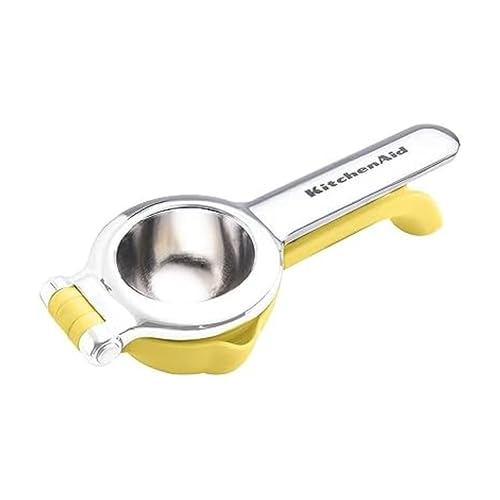
- Flat base adds leverage while pressing
- Built-in strainer and integrated pour spout
- Dishwasher safe for quick cleanup
Best For: Low- to moderate-volume lemon and lime prep
Electric Batch Juicer
BLACK+DECKER 32-Ounce Citrus Juicer

- Auto-reversing cones support extraction
- Adjustable pulp control and removable pulp basket
- Measured container with pitcher-style pour spout
Best For: Convenient small-batch orange juicing and recipe prep
Stable Lever Press
Cast Iron Citrus and Pomegranate Juicer

- Gravity-assisted lever reduces pressing effort
- Weighted base and rubber pad improve stability
- Detachable stainless steel bowl and cone
Best For: Bars, juice stands, and kitchens handling varied fruit
Fast Electric Pick

- Pressure-activated 80W motor
- Two cones for varied citrus sizes
- 24-ounce pitcher with pulp filter
Best For: Small restaurant and café juice stations
Heavy-Duty Manual Pick

- Cast iron lever press for high force
- 5-inch bowl handles varied citrus
- Stable rubberized feet
Best For: Bars, juice stands, and high-use manual pressing
Customizable Electric Pick
Cuisinart Pulp Control Citrus Juicer

- Three adjustable pulp settings
- Auto-reversing universal cone
- 12-ounce capacity with final-spin feature
Best For: Cafés and counters needing pulp customization
Heavy-Duty Stainless Steel Pick
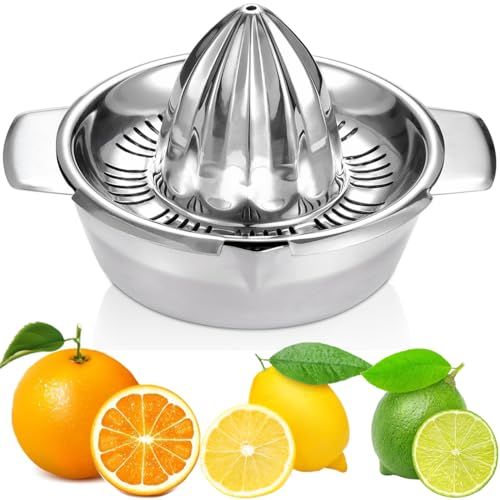
- 304 stainless steel construction
- Slotted seed-and-pulp sieve
- Dishwasher-safe, dual-spout bowl
Best For: Small-batch restaurant, bar, and catering prep
Professional Press Pick
Heavy-Duty Lemon and Lime Squeezer

- Corrosion-resistant 18/8 steel
- Sturdy bowl with silicone grips
- Dishwasher-friendly cleanup
Best For: Bars and beverage stations serving lemon or lime drinks
Effortless Service Pick

- Reinforced 304 stainless steel
- Long handles with silicone grips
- Designed for juice yield and fewer seeds
Best For: Frequent manual citrus prep at restaurant drink stations
Commercial Workhorse – Nemco Heavy-Duty Manual Citrus Juicer
For a citrus juicer for restaurant service, the Nemco 55850 emphasizes consistent manual extraction and durable construction. Its rack-and-pinion mechanism, ergonomic handle, and removable strainer cone are suited to repeated use in a busy kitchen, café, or juice bar.
Best For: Restaurants, cafés, and juice bars that need a sturdy manual press for frequent citrus juicing.
Pros:
- Stainless steel rack-and-pinion system helps apply uniform pressure.
- Aluminum and stainless steel construction with high-strength steel posts supports heavy-duty use.
- Removable strainer cone simplifies cleaning and maintenance.
- NSF listed and equipped with an ergonomic, easy-grip handle.
Cons:
- Manual operation requires user effort for every press.
- Hand-wash-only care may take more time than dishwasher-safe alternatives.
- Its larger commercial design may be more than a low-volume user needs.
The Nemco is a strong fit when durability, repeatable pressing, and commercial suitability matter more than electric convenience or compact size.
Compact Countertop Press – KitchenAid Lemon and Lime Squeezer
The KitchenAid Citrus Juice Press is a compact option for a citrus juicer for restaurant prep stations, bars, or garnish service. It is designed for lemons and limes, with a flat countertop base, built-in strainer, and spout that keeps juice contained until pouring.
Best For: Bars, cafés, and restaurant stations preparing smaller quantities of lemon or lime juice.
Pros:
- Flat countertop design provides leverage during pressing.
- Integrated spout helps reduce mess when transferring juice.
- Built-in strainer catches pulp and seeds.
- Dishwasher-safe aluminum and nylon construction supports easy cleanup.
Cons:
- Designed for lemons and limes rather than a broad range of citrus sizes.
- Its 0.5-liter capacity is limited for larger production runs.
- Hand-powered operation may be slower for high-volume service.
This KitchenAid press makes sense for businesses that value a small footprint and simple cleanup for lemon- and lime-focused drinks or recipes.
Electric Batch Juicer – BLACK+DECKER 32-Ounce Citrus Juicer
For operations seeking an electric citrus juicer for restaurant recipes or beverage prep, the BLACK+DECKER CJ625 offers pressure-activated operation and a 32-ounce container. Auto-reversing cones, adjustable pulp control, measurement markings, and a pour spout make it practical for measured batch juicing.
Best For: Restaurants and prep areas that want convenient electric juicing with adjustable pulp and a measured container.
Pros:
- Auto-reversing cones are designed to maximize juice extraction.
- Adjustable pulp control lets users customize the juice texture.
- Clear container includes measurement markings for recipes.
- Container doubles as a pitcher with a handle and drip-free pour spout.
Cons:
- Requires a 120-volt electrical connection.
- Plastic construction may be less suited to demanding commercial abuse than heavy-duty metal presses.
- Its recommended use is centered on oranges, limiting the stated product scope.
The CJ625 is a convenient choice for measured, small-batch citrus prep when electric operation and pulp control are more valuable than heavy-duty manual construction.
Stable Lever Press – Cast Iron Citrus and Pomegranate Juicer
This cast iron hand press is a versatile citrus juicer for restaurant bars, juice stands, and kitchens that need cord-free extraction. Its gravity-assisted lever, weighted base, detachable stainless steel bowl, and broad fruit compatibility support quick pressing of lemons, oranges, grapefruits, and pomegranates.
Best For: Cafés, bars, juice stands, and kitchens needing a stable manual press for several fruit types.
Pros:
- Gravity-assisted lever is designed to reduce pressing effort.
- Weighted base and rubber pad help limit sliding and wobbling.
- Detachable stainless steel bowl and cone are dishwasher safe.
- Suitable for citrus and pomegranates, with a cleaning brush and marked measuring cup included.
Cons:
- The juicer body requires hand washing.
- Manual pressing may not match electric equipment for continuous batch production.
- The substantial cast iron design can occupy more counter space than compact presses.
This model is a practical middle ground for businesses wanting strong manual leverage, stable countertop use, and flexibility beyond standard citrus fruits.
Fast Electric Pick – Astralship 80W Citrus Juicer
For a restaurant needing a compact citrus juicer for restaurant prep, the Astralship offers pressure-activated electric operation, interchangeable cones, and a 24-ounce pitcher. Its stainless steel base and seed-filtering design suit quick batches of orange, lemon, lime, or grapefruit juice.
Best For: Small restaurant stations, cafés, and breakfast service where quick electric juicing and easy cleanup matter.
Pros:
- 80W pressure-activated motor produces juice in about 30 seconds.
- Two cones accommodate small lemons and limes as well as oranges and grapefruits.
- 24-ounce pitcher includes measurement markings, a handle, and a pulp filter.
- Pitcher, attachments, filter, and dust cover are top-rack dishwasher safe.
Cons:
- Its 24-ounce pitcher may require frequent emptying during high-volume service.
- The product details describe a compact countertop unit rather than a large commercial press.
The Astralship is a practical choice when speed, compact storage, and low-effort operation outweigh the need for a large-capacity commercial juicer.
Heavy-Duty Manual Pick – Zulay Cast Iron Citrus Press
The Zulay Cast Iron Juicer is a strong citrus juicer for restaurant use when you want high leverage without electricity. Its cast iron construction, 5-inch bowl, and rubberized feet are designed for repeated pressing of lemons, limes, oranges, and grapefruits.
Best For: Bars, juice stands, and restaurant kitchens that need a durable manual press for repeated citrus service.
Pros:
- Lever mechanism delivers substantial mechanical advantage with minimal effort.
- 5-inch bowl accommodates citrus ranging from small limes to large grapefruits.
- Heavy-duty cast iron body is designed for continuous, high-pressure use.
- Rubberized feet help keep the press stable during operation.
Cons:
- Manual operation requires staff effort for every press.
- Hand-wash-only care is less convenient than dishwasher-safe alternatives.
- Its large footprint may require dedicated counter space.
Choose the Zulay when durability, leverage, and independence from outlets are more important than automated operation or quick disassembly.
Customizable Electric Pick – Cuisinart Pulp Control Citrus Juicer
The Cuisinart CCJ-500P1 is a versatile citrus juicer for restaurant prep, combining electric operation with three pulp-control settings. Its universal cone handles limes through grapefruits, while the final-spin feature and extended spout support cleaner, more complete serving.
Best For: Cafés and restaurant counters that want adjustable pulp levels and a compact electric citrus juicer.
Pros:
- Three pulp settings provide low, medium, and high control.
- Auto-reversing cone supports efficient extraction across citrus sizes.
- Final-spin feature helps extract additional juice from the pulp.
- Dishwasher-safe parts and a three-year limited warranty simplify ownership.
Cons:
- Its 12-ounce capacity is relatively small for busy, high-volume service.
- The supplied specifications list a corded 110V power source, so outlet placement matters.
- The product details describe the unit as manual under special features despite its electric operation.
The Cuisinart is a well-rounded option for operations that value adjustable pulp texture and broad citrus compatibility in a countertop format.
Heavy-Duty Stainless Steel Pick – Compact Manual Citrus Juicer
For a citrus juicer for restaurant prep, this manual model emphasizes durable 304 stainless steel construction, efficient extraction, and quick cleanup. Its pointed 11-tooth reamer is suited to lemons, limes, oranges, and small grapefruits, while the bowl collects juice for controlled pouring.
Best For: Small-batch restaurant prep, bars, catering, and kitchens that want a compact, electricity-free juicer.
Pros:
- Food-grade 304 stainless steel resists rust and citric-acid corrosion.
- Slotted sieve helps filter seeds and pulp while draining juice quickly.
- Two pour spouts and side handles support controlled serving.
- Dishwasher-safe design simplifies cleanup.
Cons:
- The 300 ml bowl is better suited to small batches than high-volume service.
- Its compact reamer is intended for smaller citrus rather than large-scale production.
This is a practical choice when durability, portability, and easy cleaning matter more than automated throughput. The manual design works well for made-to-order drinks and occasional food preparation.
Professional Press Pick – Heavy-Duty Lemon and Lime Squeezer
This stainless steel press is a strong candidate for a citrus juicer for restaurant drink stations, especially when staff need to squeeze lemons and limes quickly by hand. Its heavy-duty metal bowl, silicone-sleeved handles, and dishwasher-friendly construction prioritize repeated everyday use.
Best For: Cocktail bars, beverage stations, and kitchens focused on lemons, limes, and smaller oranges.
Pros:
- 18/8 stainless steel construction is designed to resist corrosion and rust.
- Heavy-duty bowl and ergonomic handles support efficient manual pressing.
- Designed to help keep seeds out of the juice.
- Dishwasher-safe and easy to hand-wash.
Cons:
- Its recommended use centers on lemons, so it may be less versatile for larger citrus.
- The handheld press requires repeated manual squeezing during busy service.
Choose this model when reliable lemon and lime extraction is the priority. The sturdy metal build and lifetime warranty make it appealing for a busy bar or professional kitchen that values a simple, easy-to-store tool.
Effortless Service Pick – Long-Handle Citrus Hand Press
For restaurant teams seeking a citrus juicer for restaurant service with less hand strain, this press combines reinforced 304 stainless steel with long, silicone-gripped handles. It handles lemons, limes, and oranges, and its handheld format is convenient for made-to-order juice or cocktail preparation.
Best For: Busy drink stations and staff who want an ergonomic manual press for frequent lemon, lime, and orange squeezing.
Pros:
- Premium 304 stainless steel and reinforced joints provide a catering-oriented build.
- Long handles and non-slip silicone grips make pressing more comfortable.
- Designed to maximize juice while reducing seeds.
- Dishwasher-safe for quick cleanup.
Cons:
- Manual pressing may still be slower than an electric or commercial batch juicer.
- The handheld design requires halving fruit and pressing each portion individually.
This model stands out for ergonomic handling and straightforward cleanup. It is a useful fit for restaurants and bars that need fresh citrus in small batches and want a durable manual tool backed by a lifetime warranty.
How We Picked the Best Citrus Juicer for Restaurant
We evaluated these juicers around the demands of commercial food service: durability, juice yield, speed, ease of cleaning, stability, and versatility with lemons, limes, oranges, and grapefruit. We also considered whether each design is better suited to occasional prep, bar service, or sustained daily use.
Manual presses can be dependable and quiet, with no motor to maintain, while electric models reduce hand strain and make repeated batches easier. Features such as removable cones, pulp adjustment, seed-catching screens, non-slip bases, and dishwasher-safe components can make a meaningful difference during a busy shift.
Quick Comparison
| Best For | Recommended Style | Why It Stands Out |
|---|---|---|
| High-volume manual service | Cast-iron lever press | Strong leverage, stability, and no electrical parts |
| Bars and cocktail stations | Compact manual press | Fast single-fruit juicing with minimal setup |
| Batch preparation | Electric citrus juicer | Less hand effort and convenient pulp control |
| Small kitchens | Handheld stainless-steel squeezer | Compact storage and simple cleanup |
Key Buying Factors for a Citrus Juicer for Restaurant Use
Capacity and Service Speed
Estimate how much juice you prepare at once. A handheld squeezer works well for garnishes and individual drinks, but a lever press or electric juicer is more efficient for pitchers, sauces, and recurring cocktail orders.
Construction and Stability
Look for sturdy metal components, a stable base, and a handle or lever that feels secure under pressure. Cast iron and stainless steel generally suit demanding use better than lightweight plastic, although plastic electric models can be practical for moderate-volume prep.
Fruit Compatibility and Yield
Check whether the cone or bowl accommodates the fruit sizes you use most. Adjustable or interchangeable cones improve versatility, while a well-designed strainer helps separate seeds and excess pulp without slowing service.
Cleaning and Workflow
Removable strainers and cones simplify rinsing between batches. Dishwasher-safe parts are useful, but confirm which components can safely be washed that way. A juicer that is quick to disassemble may be more valuable than one with a larger capacity if staff clean it frequently.
Who Should Buy Which Citrus Juicer for Restaurant?
Choose a heavy-duty manual press if your restaurant values durability, quiet operation, and strong extraction during steady bar or kitchen service. Select an electric model if staff need to process many fruits with less repetitive hand pressure and you have a convenient outlet nearby.
Compact handheld or countertop squeezers are best for small cafés, garnish stations, occasional fresh juice, and limited storage. For a versatile middle ground, choose a stable countertop juicer with adjustable pulp control and a removable strainer.
Before buying, match the juicer’s capacity and construction to your busiest service—not your average day. A slightly larger, easier-to-clean model can save time and reduce frustration when citrus orders increase.