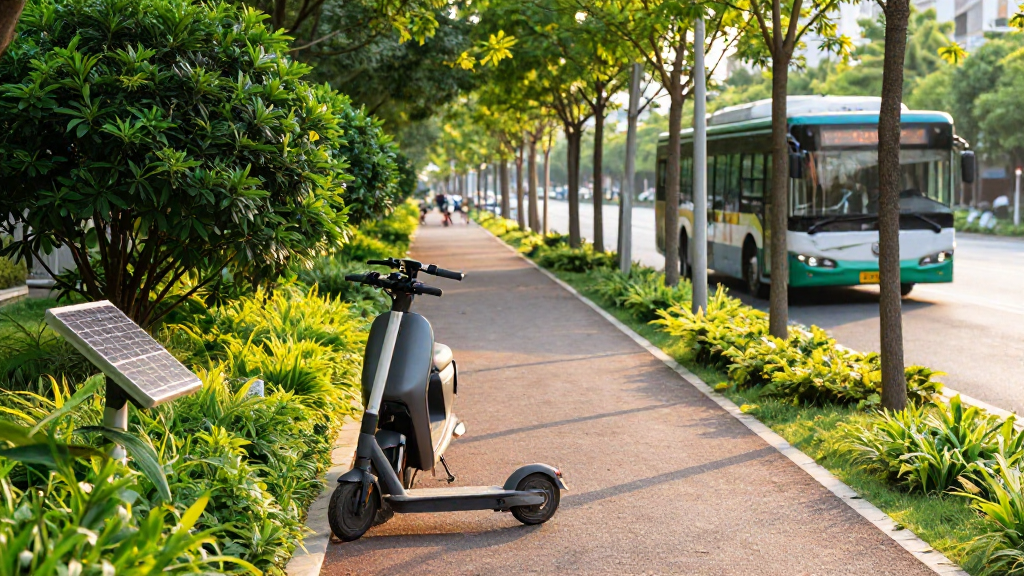
In our increasingly urbanized world, the need for sustainable solutions in transportation has never been more critical.
The term eco transport alternatives refers to a variety of transportation methods that reduce environmental impact and aim for sustainability.
What Are the Key Benefits of Eco Transport Alternatives?
Opting for eco transport alternatives provides numerous advantages, including:
- Reduced Carbon Footprint: By using eco-friendly modes of transport, you contribute to lowering greenhouse gas emissions.
- Enhanced Public Health: Many eco transportation options promote physical activity, leading to better community health.
- Cost Savings: In many cases, eco transport alternatives are more economical than traditional vehicles in terms of fuel, maintenance, and insurance.
- Less Congestion: Encouraging the use of public transport and alternative modes can help alleviate traffic congestion in urban areas.
- Improved Quality of Life: Cleaner air and quieter streets enhance the overall quality of life in communities.
- Resource Conservation: Eco transport alternatives often use fewer natural resources, promoting sustainability for future generations.
What Are the Popular Types of Eco Transport Alternatives?
There are several eco transport alternatives that people and communities can adopt. Let’s explore some of the most popular options:
1. Public Transportation
Public transit systems—such as buses, trains, and subways—are essential components of urban infrastructure.
- Advantages: They transport multiple passengers at once, reducing individual carbon footprints and traffic congestion.
- Types: Electric buses, light rail, and subways are among the more eco-friendly options.
2. Bicycles
Cycling is one of the simplest and most efficient eco transport alternatives.
- Benefits: It promotes physical health, offers low operating costs, and significantly reduces emissions.
- Infrastructure: Many cities are investing in dedicated bike lanes and bike-sharing programs to encourage cycling.
3. Walking
Walking is undoubtedly the most eco-friendly way to get around.
- Sustainability: It produces zero emissions and often allows for quicker travel in congested urban areas.
- Community Health: In places designed for pedestrians, walking also fosters community connections.
4. Carpooling and Ridesharing
Carpooling and ridesharing services cut down the number of vehicles on the road.
- Impact: They enable one vehicle to serve multiple individuals, which can lower gas consumption and pollutants.
- Platforms: Services like Uber and Lyft often offer eco-friendly ride options such as electric vehicles.
5. Electric Vehicles (EVs)
Electric vehicles are transforming the automotive industry and offering a cleaner alternative to traditional gasoline-powered cars.
- Advantages: They produce zero tailpipe emissions and can be powered by renewable energy sources.
- Variety: Many manufacturers now provide electric cars, motorcycles, and even bicycles.
6. Solar-Powered Transportation
Utilizing solar technology is an innovative approach to transport.
- Recent Developments: Companies are developing solar-powered electric vehicles and even solar taxis.
- Benefits: Solar energy is renewable and abundant, making it an attractive option for sustainable transport.
7. Rail and Tram Systems
Rail and tram systems present another form of eco transport alternatives, particularly in densely populated regions.
- Efficiency: Trains and trams can move large numbers of people efficiently while consuming less energy compared to cars.
- Sustainability: Many modern rail systems are incorporating electric trains powered by renewable sources.
How Can You Incorporate Eco Transport Alternatives into Your Life?
Transitioning to eco transport alternatives may seem daunting, but it can be a seamless process with a few simple changes:
- Plan Ahead: Identify your daily routes and assess which eco-friendly options are available.
- Leverage Technology: Use apps for public transit, biking, or carpooling that make planning your journey easier.
- Create a Community: Engage with neighbors or colleagues to form carpooling arrangements or promote local bike clubs.
- Invest in Infrastructure: Support local initiatives that improve cycling paths, walking trails, and public transport services.
What Makes Eco Transport Alternatives Essential for Our Future?
As urban populations continue to grow, the need for eco transport alternatives has become paramount.
- Environmental Preservation: The urgency to combat climate change necessitates a shift away from fossil fuels.
- Resource Management: By adopting sustainable transport methods, we can conserve our limited natural resources.
- Economic Stability: Sustainable transport alternatives reduce dependence on oil and lead to more stable and diversified economies.
- Social Equity: Many eco transportation options are accessible and affordable, promoting fair access for all.
Conclusion: The Future of Eco Transport Alternatives
The embrace of eco transport alternatives signifies a collective move toward sustainability.
Adopting these methods can significantly reduce our carbon footprint, promote healthier lifestyles, and improve overall community wellness.
With continued advancements in technology and growing public interest, the future of eco-friendly transport looks promising.
Transitioning to cleaner alternatives is not just a trend; it’s a crucial step toward protecting our planet for future generations.
By making informed decisions today, we can pave the way for a more sustainable tomorrow.