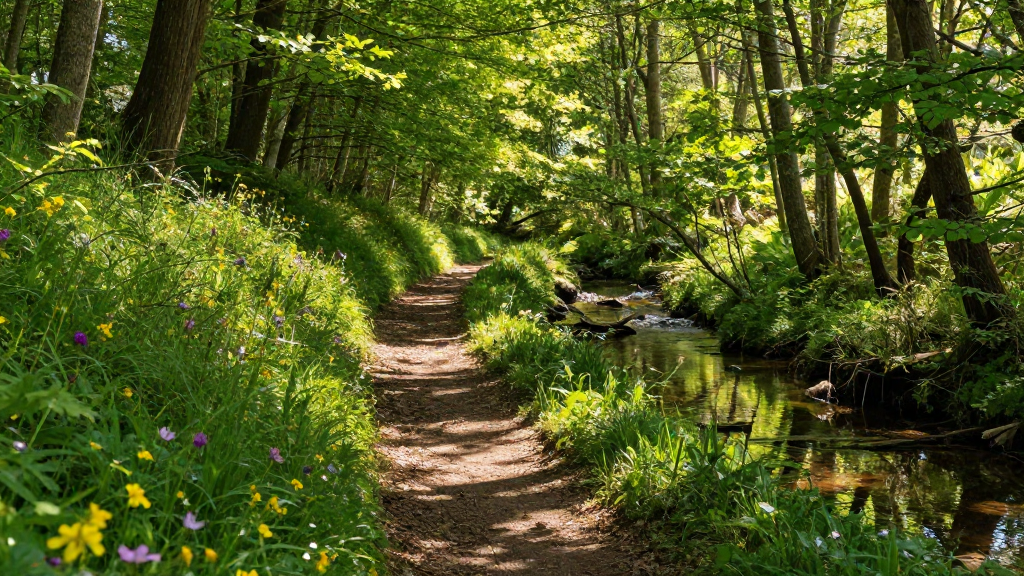
In an era where environmental awareness is paramount, eco hiking tips can significantly enhance your outdoor experience while minimizing your impact on nature.
What are Eco Hiking Tips That Can Benefit Everyone?
Eco hiking tips are essential guidelines that every nature enthusiast should follow to ensure their adventures are sustainable and environmentally friendly.
By adopting these practices, you can enjoy the great outdoors while preserving it for future generations.
Why Should You Use Eco Hiking Tips?
Adopting eco hiking tips fosters a more profound connection with nature.
These tips promote responsible outdoor behavior, reduce your carbon footprint, and help protect delicate ecosystems.
Here’s why you should consider the following eco hiking practices:
- Protection of wildlife: Avoid disturbing habitats and animal behaviors.
- Reduction of litter: Engaging in the “leave no trace” policy helps keep trails clean.
- Conservation of resources: Sustainable practices ensure that our natural spaces remain vibrant.
How Can You Prepare for Eco-Friendly Hiking?
Preparation is key when it comes to hiking sustainably.
Here are key eco hiking tips to consider before you hit the trail:
-
Plan Ahead
– Research the trail and understand the local flora and fauna.
– Check for any regulations and guidelines in place to protect the area. -
Choose Eco-Friendly Gear
– Opt for products made from sustainable materials.
– Use biodegradable soaps and detergents during your outdoor activities. -
Minimize Your Waste
– Bring reusable containers for food and water.
– Avoid single-use plastics like utensils, straws, and bottles.
What Should You Do While Hiking to Be Eco-Conscious?
Once you’re on the trail, implementing eco hiking tips can make a significant difference.
Here are the essential practices to follow while hiking:
-
Stay on Designated Trails
– Walking off trails can lead to soil erosion and habitat destruction.
– Protecting plant life helps maintain the ecological balance of the area. -
Pack Out What You Pack In
– Carry all trash with you, including biodegradable waste.
– If you see litter along the trail, pick it up to help keep the area clean. -
Make Noise
– When hiking in areas with wildlife, make noise to avoid surprising animals.
– Keeping a safe distance protects both you and the wildlife. -
Leave Natural Objects Undisturbed
– Avoid taking rocks, plants, or historical artifacts from trails.
– This preserves the innate beauty and ecological integrity of the area.
How Can You Be Mindful of Wildlife?
Respecting wildlife is one of the most critical eco hiking tips.
Here are some suggestions on how you can be mindful:
- Observe from a Distance
-
Use binoculars or a camera zoom to get a closer look without intruding on their space.
-
Avoid Feeding Animals
-
Feeding wildlife alters their natural foraging behavior.
-
Keep Pets on Leash
- Leashing pets protects both wildlife and your pets from potential harm.
Why Is Hydration Important for Eco Hiking?
Staying hydrated is important during any hike, but it can also be done sustainably.
Here are eco hiking tips focusing on hydration:
- Bring a Reusable Water Bottle
-
Fill it up before your hike to minimize waste.
-
Use Water Filters
- If you need additional water, consider using a portable water filter instead of single-use bottles.
What Are Some Post-Hike Eco Hiking Tips?
Your environmental responsibility doesn’t end when the hike does. Check out these post-hike eco hiking tips:
-
Clean Your Gear Sustainably
– Use environmentally safe cleaning products when washing hiking gear.
– Avoid pollutants that could enter local water sources. -
Share Your Experience
– Encourage friends and family to follow eco hiking tips.
– Use social media to spread awareness about sustainable hiking practices. -
Support Conservation Efforts
– Consider donating to or volunteering with organizations focused on trail maintenance and wildlife protection.
– Participate in community clean-up events to give back.
How Can You Make Eco Hiking a Habit?
Incorporating eco hiking tips into your lifestyle transforms the way you experience the outdoors.
Here’s how you can make these practices a habit:
- Set Goals
-
Aim to try at least one new eco hiking tip on each hike.
-
Engage with the Community
-
Join local hiking groups that value sustainable practices.
-
Educate Others
- Share knowledge about eco-friendly hiking with other outdoor enthusiasts.
Conclusion: What Are Your Next Steps?
Embracing eco hiking tips not only enhances your hiking experience but also contributes positively to the environment.
By planning ahead, minimizing waste, and respecting wildlife, you can hike responsibly and sustainably.
As you implement these practices, remember that every small effort counts in making a significant impact.
So lace up your hiking boots, equip yourself with eco hiking tips, and discover the beauty of nature while protecting it for generations to come.