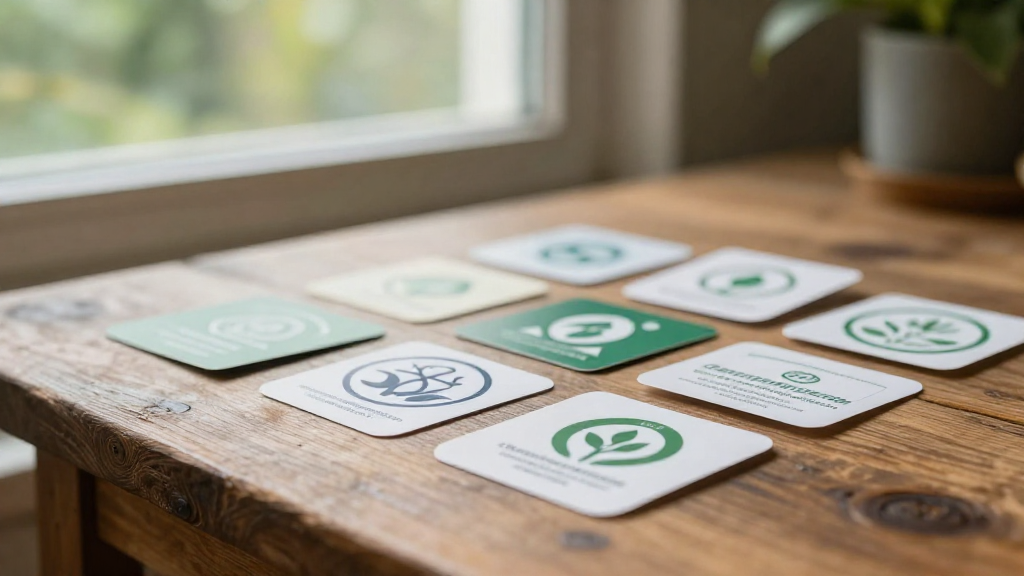
Understanding how to read an eco label is crucial for making informed purchasing decisions.
This eco label guide will help you decipher the meanings behind various eco labels, enabling you to choose products that are better for the environment.
What is an Eco Label?
An eco label is a seal or certification that indicates a product meets specific environmental standards.
These labels help consumers identify products that are environmentally friendly, sustainable, or ethically produced.
Why Are Eco Labels Important?
Eco labels play a crucial role in promoting sustainability.
They offer several advantages:
- Consumer Awareness: They educate consumers about eco-friendly options.
- Environmental Impact: They encourage manufacturers to adopt greener practices.
- Market Differentiation: They help sustainable products stand out in a crowded market.
How to Identify Reliable Eco Labels?
Recognizing trustworthy eco labels is key to effectively using this eco label guide.
Here are some steps to identify reliable eco labels:
-
Check for Credibility:
Look for certifications from recognized organizations.
Labels from governmental or reputable nonprofit organizations are often more credible. -
Assess Transparency:
A reliable eco label should provide clear information about its standards.
Transparency indicates that the organization behind the label is trustworthy. -
Look for Specific Criteria:
Labels that detail their material sourcing, production methods, and social responsibility are usually more reliable.
Vague labels with broad claims may not meet stringent environmental standards. -
Research Brand Practices:
Investigate the brands that use eco labels.
Do they follow sustainable practices beyond their labeled products?
What Do Common Eco Labels Mean?
Knowing how to read different eco labels can enhance your shopping experience.
Familiarize yourself with these popular labels and their meanings:
-
Energy Star:
Products with this label are highly energy-efficient, reducing energy consumption and costs. -
Fair Trade:
This label ensures that products are made under fair labor conditions, promoting sustainability and social justice. -
USDA Organic:
Indicates that food is grown without synthetic pesticides, fertilizers, or genetically modified organisms (GMOs). -
Forest Stewardship Council (FSC):
This label ensures that wood and paper products come from responsibly managed forests. -
Cradle to Cradle:
Products with this label are designed with a focus on sustainability and circular economy principles.
How to Understand Eco Label Claims?
Reading eco labels involves understanding the various claims made. Let’s break down common types of claims:
-
Sustainability Claims:
Claims about eco-friendly materials, practices, or lifecycle assessments. -
Social Impact Claims:
Information related to fair labor practices, community support, or ethical sourcing. -
Health Claims:
References to non-toxic materials, reduced chemicals, or safety for health.
What Should You Watch Out For?
Be cautious of greenwashing, where companies falsely claim sustainability.
Here are some red flags:
-
Vague Language:
Look out for statements like “eco-friendly” without backing details. -
Lack of Certification:
Avoid products without certification by a reputable authority. -
Unclear Standards:
If it’s not clear what criteria were used, proceed with caution.
How Can You Use Eco Labels When Shopping?
Utilizing eco labels while shopping can lead to more sustainable choices.
Here are some practical tips:
-
Make a List:
Before shopping, research the eco labels important to you.
Make a list of the labels you trust and why. -
Evaluate Products:
As you shop, compare products using eco labels.
Choose those that meet your sustainability goals. -
Read Labels Carefully:
Spend time reading and understanding labels.
Look beyond the logo to grasp the claims being made. -
Support Brands with Values:
Opt for brands that align with your eco-friendly values.
Supporting them helps promote greener practices in the industry.
Can Eco Labels Help You Make More Informed Choices?
Absolutely!
This eco label guide can greatly assist you in making informed decisions.
Here’s how eco labels can benefit you:
-
Validate Claims:
Eco labels serve to validate environmental claims by providing proof of adherence to strict standards. -
Enhance Your Lifestyle:
Using eco labels to guide your purchases can help create a more sustainable and ethical lifestyle. -
Influence Change:
By choosing products with quality eco labels, you not only support sustainable practices but also encourage manufacturers to prioritize environmental responsibility.
What Are the Next Steps After Learning to Read Eco Labels?
Once you’re familiar with how to read eco labels, you can take further steps.
Consider the following:
-
Stay Informed:
Keep up with new eco labels and changes in existing regulations.
Knowledge is your best ally in making informed choices. -
Share Your Knowledge:
Discuss what you’ve learned with friends and family.
Raising awareness can lead to a broader impact on consumer behavior. -
Advocate for Transparency:
Encourage brands to be transparent about their practices.
Use social media to voice your opinions on eco-labeling transparency.
Conclusion: Why Knowing How to Read Eco Labels Matters
Understanding how to read an eco label empowers you to make more environmentally conscious choices.
This eco label guide serves as a roadmap to navigating the often confusing world of eco-friendly products.
By taking the time to educate yourself on eco labels, you can positively contribute to sustainability and ethical consumerism.
Make it a habit to check eco labels while shopping.
The power to affect change is in your hands!