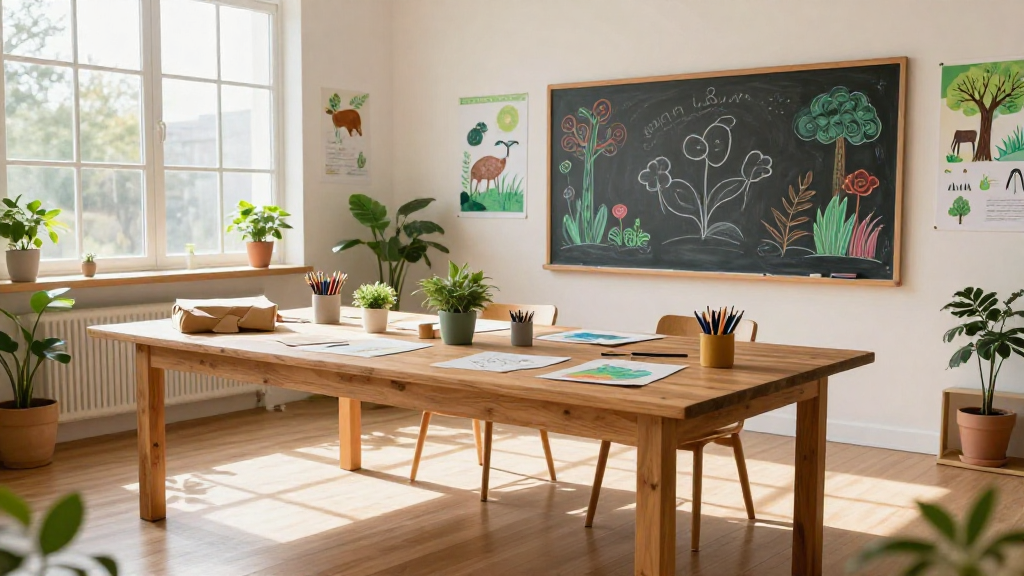
Creating eco curriculum plans is essential for promoting environmental awareness and sustainability in education.
This article will guide you through the process of developing effective eco curriculum plans that engage students and inspire ecological stewardship.
What Are Eco Curriculum Plans?
Eco curriculum plans are structured educational frameworks that focus on environmental concepts and sustainability practices.
They aim to integrate eco-friendly themes into various subjects, such as science, arts, and social studies, allowing students to connect with nature.
Here’s why eco curriculum plans are crucial for today’s educational landscape:
- Promotes Environmental Awareness: Helps students understand the impact of human activities on the planet.
- Fosters Critical Thinking: Encourages students to analyze environmental issues and devise innovative solutions.
- Cultivates Responsible Citizens: Instills values that promote ecological stewardship and social responsibility.
Why Should Educators Embrace Eco Curriculum Plans?
The urgency of global environmental challenges makes the inclusion of eco curriculum plans more important than ever.
-
Student Engagement:
Students are motivated when lessons are connected to real-world issues. -
Hands-On Learning:
Projects tied to local environmental challenges encourage practical application of theoretical knowledge. -
Interdisciplinary Learning:
Eco-focused education can bridge various subjects, enriching overall learning experiences.
How Do You Start Developing Eco Curriculum Plans?
Creating an eco-based curriculum requires careful planning and collaboration.
Here’s a step-by-step approach to get you started:
1. Identify Your Goals and Objectives
- Define Scope: What age group are you targeting?
- Choose Themes: Decide on specific environmental topics like biodiversity, climate change, or waste management.
- Align with Standards: Make sure your eco curriculum plans meet regional and national educational standards.
2. Collaborate with Stakeholders
- Engage Faculty: Hold meetings with other educators to brainstorm ideas and resources.
- Involve Parents and Community: Gather input from parents and community members for wider perspectives.
3. Research Available Resources
- Books and Articles: Look for up-to-date educational materials on environmental topics.
- Online Resources: Websites like the World Wildlife Fund, National Geographic, or local environmental organizations can provide invaluable information.
- Workshops and Webinars: Attend professional development opportunities focused on environmental education.
4. Design Your Curriculum Framework
- Choose a Structure: Decide on the format: will it be thematic, project-based, or inquiry-driven?
- Create Lesson Plans: Make detailed plans that include objectives, materials, disruptions, and assessment methods.
5. Integrate Hands-On Activities
- Field Trips: Organize excursions to natural reserves, parks, or recycling centers.
- Garden Projects: Initiate school gardens to teach students about plant life and ecosystems.
- Recycling Initiatives: Start a program where students can actively participate in recycling efforts at school.
6. Assess and Evaluate
- Set Evaluation Criteria: Determine how you will measure success—through tests, projects, or participation?
- Gather Feedback: Use surveys or discussions to get feedback from students and educators.
What Activities Work Best in Eco Curriculum Plans?
Incorporating varied activities makes eco curriculum plans engaging and effective. Here are some successful strategies:
1. Eco-Projects
- Community Clean-Up: Organize events where students participate in local clean-up efforts.
- Tree Planting: Engage students directly in forest restoration projects.
2. Outdoor Classroom Learning
- Nature Walks: Conduct lessons in local parks or nearby forests to study ecosystems.
- Wildlife Observation: Implement activities where students observe and document local wildlife.
3. Technology in Environmental Education
- Data Collection: Use technology to gather data on local environmental conditions.
- Virtual Simulations: Leverage tools that simulate ecological systems, helping students visualize complex interactions.
4. Creative Arts Integration
- Art Projects: Have students create artworks using recycled materials to express ecological themes.
- Performances: Organize plays or skits related to environmental issues.
How Do You Incorporate Eco Curriculum Plans Across Subjects?
An effective eco curriculum should span multiple disciplines. Here’s how to incorporate eco themes:
1. Science
- Ecosystem Studies: Teach the interdependence of organisms in an ecosystem.
- Climate Change: Discuss global warming, its causes, and effects on biodiversity.
2. Social Studies
- Cultural Perspectives: Analyze how various cultures interact with their environments.
- Environmental Policies: Teach about local and global environmental laws.
3. Mathematics
- Data Analysis: Use statistics to interpret environmental data and trends.
- Graphing: Create and analyze graphs representing recycling trends or energy consumption.
4. Language Arts
- Reading: Assign books and articles that focus on environmental themes.
- Creative Writing: Encourage students to write essays or stories that reflect their understanding of ecological issues.
How Do You Sustain Eco Curriculum Plans Over Time?
Sustainability is key to any educational program. For your eco curriculum plans to thrive:
- Continuous Professional Development: Encourage ongoing educator training in environmental topics.
- Update Resources Regularly: Ensure that materials and methods reflect current environmental data and innovative practices.
- Community Involvement: Foster partnerships with local environmental groups to keep the curriculum fresh and relevant.
Conclusion
Creating eco curriculum plans is an investment in our students’ futures and the planet’s health.
By following the steps outlined in this article, educators can effectively cultivate a curriculum that not only informs but also empowers students to become stewards of the earth.
Get started today, and contribute to raising environmentally conscious citizens equipped to tackle global challenges.