When the grid goes down, the right battery bank keeps essentials running—from lights and routers to sump pumps and medical devices. The best options balance usable capacity, cycle life, safety, and budget.
This roundup of deep cycle batteries for home backup focuses on practical choices for standby power and solar storage, whether you want affordable AGM reliability or high-efficiency lithium performance.
Best 10 Deep Cycle Batteries for Home Backup Picks for 2026
AGM Reliability Pick
Renogy 12 Volt 100Ah Deep Cycle AGM Battery
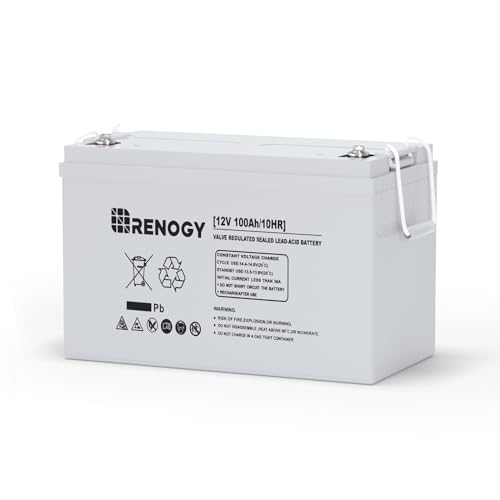
- Sealed AGM design
- Below 3% monthly self-discharge
- Supports series and parallel wiring
Best For: Sealed, maintenance-light home backup systems
High-Capacity Lithium Pick
12V 300Ah (314Ah) LiFePO4 Battery
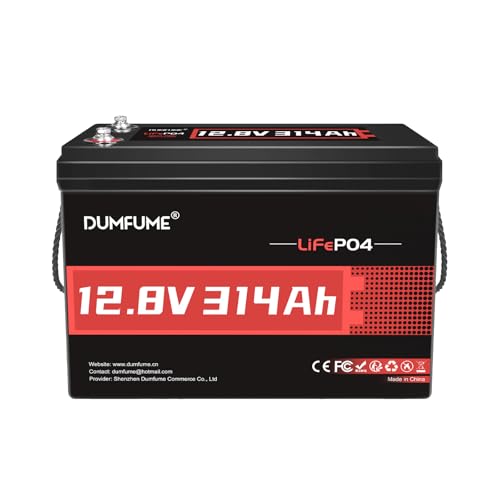
- Up to 4019.2Wh capacity
- 200A BMS protection
- 4,000 to 15,000 cycle life
Best For: Large backup systems that need long runtime and low weight
Budget AGM Workhorse
Weize Deep Cycle AGM 12 Volt 100Ah Battery

- Maintenance-free sealed AGM
- 1-3% monthly self-discharge
- 1150A max discharge current
Best For: Affordable standby power with simple AGM maintenance
Compact Backup Lithium Pick

- 1920Wh energy output
- 100A BMS safety protection
- Supports up to 4S4P expansion
Best For: Space-conscious backup systems needing expandable lithium power
Heavy-Duty AGM Backup Pick
Renogy 12V 200Ah Deep Cycle AGM Battery

- 200Ah sealed AGM capacity
- Maintenance-free, low self-discharge
- Strong discharge performance for backup
Best For: Large-capacity home backup and solar storage
Lightweight Lithium Backup Option

- 24 lb lithium battery with 100A BMS
- 4,000 to 15,000 deep cycles
- Expandable up to 20.48kWh
Best For: Lightweight modular home backup systems
Sealed Solar Backup Battery

- 155Ah sealed AGM battery
- Maintenance free and indoor safe
- Mountable in any position
Best For: Indoor-friendly home backup and solar storage
Compact Home Backup LiFePO4

- 100A BMS with full protection features
- 4000 to 15000 deep cycles
- 24 lb Group 31 drop-in size
Best For: Small backup setups and lightweight lead-acid replacements
Whole-Home Storage LiFePO4
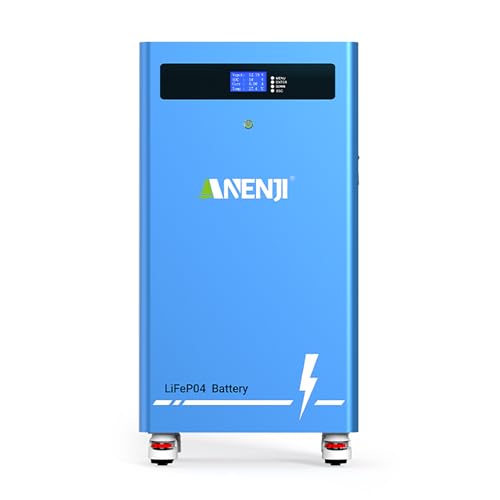
- 15.36kWh usable energy
- 200A BMS with CAN/RS485
- Scales to 61.44kWh or more
Best For: Whole-home backup and large scalable storage banks
High-Capacity Backup LiFePO4

- 5120Wh usable energy
- 200A BMS with low-temp cutoff
- Up to 48V 800Ah expansion
Best For: Mid-sized backup systems that need more runtime
AGM Reliability Pick – Renogy 12 Volt 100Ah Deep Cycle AGM Battery
If you want deep cycle batteries for home backup with a simple sealed design, this Renogy 12V 100Ah AGM is a solid, well-rounded option. It’s built for dependable standby power, with low self-discharge, wide temperature tolerance, and enough discharge strength to handle everyday household essentials during outages.
Best For: Home backup setups that prioritize safety, sealed maintenance-free operation, and straightforward compatibility.
Pros:
- Sealed AGM construction reduces troubleshooting and avoids acid leakage concerns.
- Supports series and parallel connections for flexible system design.
- Low self-discharge rate below 3% per month helps it hold charge in storage.
- Can deliver up to 1100A for 5 seconds and is rated for a wide -4 to 140°F range.
Cons:
- Heavier than comparable lithium batteries at 63.9 pounds.
- 2-year prorated warranty is shorter than some lithium alternatives.
This is a practical AGM choice if you want a familiar, sealed battery for backup power and don’t need the higher energy density of lithium. It fits best in systems where simplicity, stability, and temperature resilience matter more than weight savings.
High-Capacity Lithium Pick – 12V 300Ah (314Ah) LiFePO4 Battery
For deep cycle batteries for home backup where runtime matters, this 12V 314Ah LiFePO4 battery brings a lot of storage in a relatively compact package. It pairs high energy capacity with a built-in BMS, making it a strong fit for larger backup setups that need long cycle life and flexible expansion.
Best For: Large home backup or power wall setups that need high capacity, long cycle life, and lithium weight savings.
Pros:
- Delivers up to 4019.2Wh of energy with 314Ah capacity.
- Lightweight for its class at 57 lbs, about one-third the weight of comparable lead-acid batteries.
- Built-in 200A BMS adds protection against overcharge, overdischarge, overcurrent, overheat, and short circuit.
- Rated for 4,000 cycles at 100% DOD and up to 15,000 cycles at 60% DOD.
Cons:
- Battery performance requires temperatures of 5°C or higher for charging/discharging.
- Low-temperature charging issues are not covered by return shipping.
If you’re building a serious backup bank, this battery stands out for capacity, longevity, and easier handling than lead-acid. Just make sure your installation and climate fit the low-temperature requirements before you buy.
Budget AGM Workhorse – Weize Deep Cycle AGM 12 Volt 100Ah Battery
If you’re comparing deep cycle batteries for home backup and want a straightforward sealed option, this Weize 12V 100Ah AGM keeps the formula simple. It’s maintenance-free, designed for dependable standby use, and offers low self-discharge for systems that may sit idle between outages.
Best For: Budget-minded backup or UPS-style setups that value familiar AGM technology and low upkeep.
Pros:
- Maintenance-free sealed AGM design helps prevent acid leakage and frequent upkeep.
- Low self-discharge of 1-3% per month supports longer storage between charges.
- Rated for dependable use in RV, solar, and UPS systems.
- Has a 1150A max discharge current for short bursts of power.
Cons:
- Heavier than lithium options at 57 pounds.
- 1-year warranty is shorter than some competing batteries.
This is a sensible pick if you want a known AGM battery for home backup without stepping up to lithium pricing. It’s best suited to users who value reliability and maintenance-free operation over maximum energy density.
Compact Backup Lithium Pick – 12V 150Ah Max LiFePO4 Battery
For deep cycle batteries for home backup in smaller spaces, this 12V 150Ah LiFePO4 battery balances capacity, weight, and protection features well. It’s designed for energy storage rather than engine starting, and its compact form makes it easier to fit into backup, RV, or solar installations where space is tight.
Best For: Compact home backup or solar storage systems that want lithium performance without the bulk.
Pros:
- Provides 1920Wh of energy with over 4,000 cycles to 80% capacity.
- Weighs only 41.03 lbs, making it much lighter than lead-acid batteries.
- Built-in 100A BMS protects against overcharge, over-discharge, short circuit, and overheating.
- Supports series and parallel expansion up to 4S4P for custom setups.
Cons:
- Intended for energy storage, not engine starting.
- Battery performance requires temperatures of 5°C or higher.
This battery makes sense when you want a lighter, expandable lithium option for backup power and can work within its temperature limits. It’s a practical middle ground for users who need more capacity than a 100Ah battery without jumping to a much larger bank.
Heavy-Duty AGM Backup Pick – Renogy 12V 200Ah Deep Cycle AGM Battery
If you want deep cycle batteries for home backup with a straightforward, maintenance-free setup, this Renogy 12V 200Ah AGM battery is built for steady storage and strong discharge performance. It uses sealed AGM construction, which helps avoid acid leakage and reduces upkeep, while the high-capacity 200Ah rating makes it a practical fit for backup systems that need dependable reserve power.
Best For: Home backup and solar storage setups that need a large-capacity, sealed AGM battery with low-maintenance operation.
Pros:
- 200Ah capacity gives it substantial storage for backup use.
- AGM design is maintenance-free and helps prevent acid leakage.
- Supports high discharge currents, up to 10 times rated capacity.
- Low self-discharge rate is listed below 3% per month at 77°F.
Cons:
- At 127.9 pounds, it is heavy to move and install.
- Renogy recommends upright installation, with side mounting only in special cases.
- Lead-acid AGM batteries are typically bulkier than lithium options.
For buyers prioritizing proven AGM reliability over portability, this model makes sense as a home backup battery. Its sealed build, strong discharge capability, and high capacity make it a solid choice for systems where weight is less important than dependable reserve power.
Lightweight Lithium Backup Option – 12V 100Ah LiFePO4 Battery
For deep cycle batteries for home backup where weight, cycle life, and expandability matter, this 12V 100Ah LiFePO4 battery is a strong modern option. It weighs just 24 pounds, includes a 100A smart BMS, and is designed for backup power, off-grid storage, and lithium-ready systems that need long service life.
Best For: Lightweight home backup and modular energy storage where long cycle life and low maintenance are priorities.
Pros:
- Very light at 24 pounds, making installation easier.
- Claims 4,000 to 15,000 deep cycles depending on depth of discharge.
- Built-in 100A smart BMS adds protection against common battery faults.
- Can be expanded in series or parallel for larger battery banks.
Cons:
- Requires low-temperature charging protection below 32°F.
- May need lithium-ready charging equipment for best compatibility.
- Lower 100Ah capacity means you may need multiple units for longer backup runtime.
This battery stands out for users who want a lighter, longer-lasting backup solution than lead-acid. Its sealed LiFePO4 design, smart protection features, and modular expandability make it especially appealing for compact home energy systems.
Sealed Solar Backup Battery – VMAX SLR155 12V 155Ah AGM
If you’re comparing deep cycle batteries for home backup and want a sealed AGM model with a strong balance of capacity and indoor-safe operation, the VMAX SLR155 is worth a look. It offers 155Ah of storage, can be mounted in any position, and is described as maintenance free, which makes it practical for backup power and solar storage applications.
Best For: Indoor-friendly backup and solar storage setups that benefit from a sealed, mount-anywhere AGM battery.
Pros:
- 155Ah capacity provides solid reserve power.
- Sealed AGM design is maintenance free and safe for indoor use.
- Can be mounted in any position for easier installation.
- Built with military-grade custom plates and 99% recombination capability.
Cons:
- At 90 pounds, it is still fairly heavy.
- Listed warranty is only 1 year.
- Requires proper charging voltage ranges for AGM use.
The VMAX SLR155 fits buyers who want a traditional sealed AGM battery for backup storage without maintenance hassles. Its indoor-safe, flexible mounting design and respectable 155Ah capacity make it a practical middle-ground choice for home and solar systems.
Compact Home Backup LiFePO4 – 12V 100Ah Group 31 Battery
If you want deep cycle batteries for home backup that are easy to install and keep running without much maintenance, this 12V 100Ah LiFePO4 option is a practical pick. It uses a built-in 100A BMS, supports multiple recharge methods, and fits Group 31 battery boxes for straightforward drop-in replacement use.
Best For: Small home backup setups, UPS-style support, and users who want a lighter drop-in lithium replacement for lead-acid batteries.
Pros:
- Built-in 100A BMS protects against overcharge, over-discharge, over-current, overheating, and short circuits.
- 4000 to 15000 deep cycles and maintenance-free LiFePO4 chemistry for long service life.
- Compact Group 31 size and 24 lb weight make installation easier than comparable lead-acid batteries.
- Can be recharged by lithium charger, solar panel with controller, or alternator.
Cons:
- Single-battery capacity is best for smaller backup loads, not whole-home runtime.
- Parallel/series expansion is possible, but larger systems need proper planning.
This is a solid everyday backup battery if you want lithium simplicity, broad compatibility, and less weight than traditional lead-acid. Its real strength is being an easy starting point for a compact home energy or emergency power setup.
Whole-Home Storage LiFePO4 – 51.2V 300Ah Floor Battery
For deep cycle batteries for home backup where capacity matters most, this 51.2V 300Ah LiFePO4 floor-standing battery is built for larger storage systems. It offers 15.36kWh of usable energy, a built-in 200A BMS, and CAN/RS485 communication for integration with compatible solar and inverter setups.
Best For: Whole-home backup, larger off-grid systems, and users building a scalable high-capacity battery bank.
Pros:
- 15.36kWh usable energy and true 51.2V capacity for longer runtime.
- Built-in BMS with overcharge, over-discharge, short-circuit, and temperature protection.
- 6000 cycles and a 10+ year lifespan for long-term use.
- Supports parallel expansion up to 61.44kWh or more with RS485 communication.
Cons:
- Heavy floor-standing unit at about 253 lb, so placement needs planning.
- Requires compatible inverter/charger settings and LiFePO4-specific charging.
This battery is the strongest fit in the group for serious home backup capacity. If you want fewer batteries and a cleaner path to scaling a larger system, its high energy output and communication features are major advantages.
High-Capacity Backup LiFePO4 – 24V 200Ah Deep Cycle Battery
If you’re comparing deep cycle batteries for home backup and want a balanced mix of capacity, weight, and simplicity, this 24V 200Ah LiFePO4 battery is a strong middle-ground option. It delivers 5120Wh of usable energy, includes a built-in 200A BMS, and is designed as a drop-in replacement for lead-acid in backup and off-grid setups.
Best For: Mid-sized home backup systems, RV-style power setups, and users who want more capacity than a 12V battery without jumping to a floor-standing bank.
Pros:
- 5120Wh usable energy gives it solid runtime for backup power needs.
- Built-in 200A BMS adds protection against overcharge, over-discharge, short circuit, and low-temperature charging.
- 15000+ cycles and zero-maintenance LiFePO4 chemistry help reduce replacement hassle.
- Supports 4P2S expansion for larger systems up to 48V 800Ah.
Cons:
- At 36.94 kg, it’s not as easy to move as smaller 12V batteries.
- Its 24V format may require system matching if you’re upgrading from a 12V backup setup.
This battery makes sense when you want a single unit with meaningful storage and straightforward expansion options. It sits between compact drop-in batteries and large whole-home banks, which makes it flexible for many backup scenarios.
How We Picked the Best Deep Cycle Batteries for Home Backup
We prioritized batteries that make sense for backup use: strong cycle life, dependable discharge performance, clear capacity ratings, and chemistry suited to stationary storage. We also considered maintenance needs, low-temperature behavior, and compatibility with common inverter and solar setups.
Quick Comparison
AGM batteries are typically simpler and lower-cost upfront, while LiFePO4 batteries usually deliver more usable capacity, faster charging, and much longer cycle life. Larger 24V and 48V batteries can reduce wiring complexity and current draw in bigger systems, while 12V batteries remain the easiest fit for smaller home backup builds.
Key Buying Factors for Deep Cycle Batteries for Home Backup
Capacity and Usable Energy
Look at amp-hours and, for lithium models, watt-hours. Higher numbers usually mean longer runtime, but usable energy depends on chemistry and recommended depth of discharge. A smaller lithium battery can sometimes outperform a larger AGM battery in real-world backup use.
Battery Chemistry
AGM batteries are sealed, familiar, and often cheaper to start with, but they are heavier and generally offer fewer cycles. LiFePO4 batteries cost more upfront yet usually last longer and support deeper, more frequent cycling, which is a major advantage for Deep Cycle Batteries for Home Backup.
Voltage and System Match
Choose 12V for compact or simple systems, 24V for medium-sized setups, and 48V for larger whole-home or solar-plus-storage systems. Matching battery voltage to your inverter and charge controller is essential for safe and efficient operation.
BMS and Protection Features
For lithium batteries, a quality battery management system is critical. Look for protections against overcharge, over-discharge, overcurrent, and low-temperature charging if the battery will sit in a garage, shed, or unconditioned space.
Who Should Buy Which Deep Cycle Batteries for Home Backup?
If you want the lowest upfront cost and a straightforward standby setup, AGM is often the best entry point. If you want maximum cycle life, lighter weight, and better long-term value, LiFePO4 is the smarter pick for most buyers. For larger backup systems, higher-voltage lithium batteries can simplify installation and improve efficiency.
In short, the best battery is the one that matches your runtime goals, inverter voltage, and budget today while leaving room for future expansion.