If you want a compact fridge that won’t spike your electricity use, energy efficient mini refrigerators are the smart place to start. The best models balance low power draw, quiet performance, and enough storage for everyday essentials.
From dorm rooms to home offices and bedrooms, these space-saving refrigerators can handle drinks, snacks, and meal prep items without taking over the room.
Best 10 Energy Efficient Mini Refrigerators Picks for 2026
Energy Star Dorm-Ready Pick
Midea 3.1 Cu.ft Mini Fridge with Freezer

- 3.1 cu. ft. capacity with freezer-on-top layout
- Energy Star certified, 270 kWh/year
- Reversible door and interior light for flexible placement
Best For: Dorms, apartments, and small spaces needing extra storage
Compact Value Choice
BLACK+DECKER 2.5 Cu. Ft. Energy Star Mini Fridge
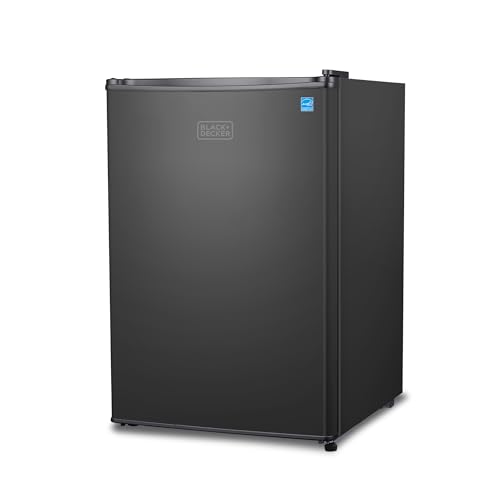
- ENERGY STAR certified with R600a refrigerant
- Two removable glass shelves and door bins
- Compact footprint for dorms and offices
Best For: Small rooms and personal storage with minimal energy use
Quiet Small-Space Option
BANGSON 1.7 Cu.Ft Mini Fridge with Freezer
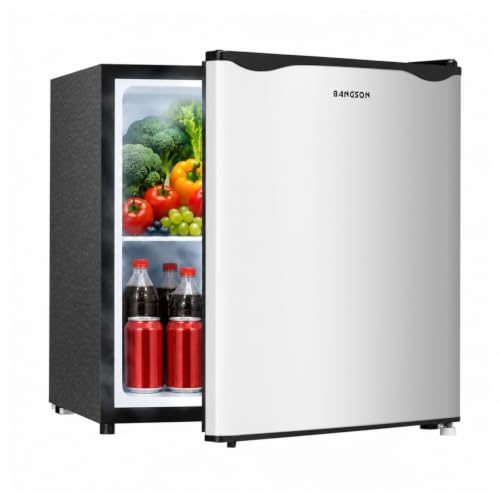
- 0.55 kWh/day and under 37dB operation
- 1.7 cu. ft. size fits countertops and tight corners
- Reversible door, leveling legs, and rolling wheels
Best For: Bedrooms, offices, and quiet small-space cooling
Ultra-Compact Bedroom Pick
Midea 1.6 Cu.ft Energy Star Mini Fridge

- Energy Star certified, 207 kWh/year
- 1.6 cu. ft. footprint with reversible door
- Less than 42dB for quieter operation
Best For: Bedrooms and dorms needing a tiny, quiet fridge
Dual-Zone Value Pick
EUHOMY 4.5 Cu.Ft Mini Fridge with Freezer
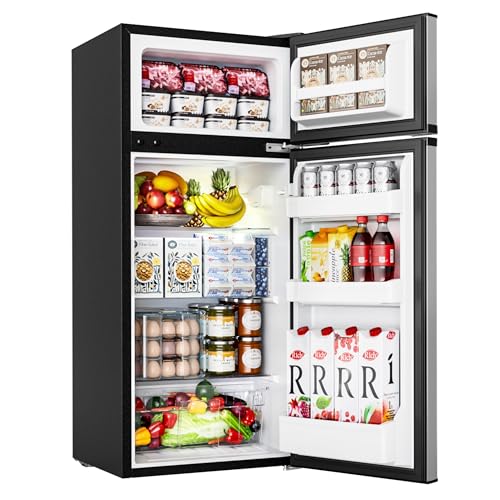
- 4.5 cu. ft. capacity with separate freezer
- Quiet 38 dB operation for shared spaces
- Uses about 1 kWh per day
Best For: Shoppers who want a bigger compact fridge with a freezer and low daily operating cost
Balanced Dorm Choice
Upstreman 3.2 Cu.Ft Mini Fridge with Freezer

- Energy Star certified with 206 kWh yearly use
- Quiet 38 dB operation for dorms and bedrooms
- Includes a small freezer plus adjustable shelving
Best For: Dorms and apartments that need efficient cooling with a small freezer
Compact Freezer-Top Choice
Igloo 3.2 Cu.Ft. Mini Fridge with Freezer

- 3.2 cu. ft. capacity with separate freezer
- Adjustable mechanical temperature control
- Two glass shelves and automatic defrost
Best For: Dorms, offices, and compact spaces needing a simple top-freezer mini fridge
Low-Noise Saver Pick
3.2 Cu. Ft. Mini Fridge with Freezer

- About 0.55 kWh per day and low running cost
- Quiet compressor below 37 dB
- Frost-free with reversible door
Best For: Bedrooms, dorms, and offices where quiet, low-cost operation matters
Dual-Door Efficiency Pick
4.5 Cu.Ft Mini Fridge with Freezer

- 3.64 cu. ft. fridge plus 0.85 cu. ft. freezer
- Low-energy compressor with low-noise operation
- Reversible door and removable glass shelves
Best For: Anyone wanting a larger compact fridge with separate freezer storage
Energy Star Dorm-Ready Pick – Midea 3.1 Cu.ft Mini Fridge with Freezer
If you want one of the more practical energy efficient mini refrigerators for a dorm, apartment, or garage, this Midea model stands out for balancing capacity and power use. It offers a 3.1 cu. ft. footprint with a freezer-on-top layout, reversible door, and Energy Star certification, so it is built for everyday storage without taking up much room.
Best For: Dorm rooms, small kitchens, and anyone who wants a compact fridge with a true freezer section.
Pros:
- Energy Star certified with 270 kWh/year annual energy consumption.
- 3.1 cu. ft. capacity includes separate fridge and freezer sections.
- Reversible door and interior light add convenience in tight spaces.
- Removable glass shelves and a crisper drawer help keep storage organized.
Cons:
- Manual defrost requires occasional upkeep.
- At 52.2 pounds, it is less portable than smaller mini fridges.
This is a solid choice if you want a larger mini fridge that still stays efficient and flexible for different room layouts. The combination of usable storage, a freezer compartment, and Energy Star certification makes it one of the more well-rounded picks here.
Compact Value Choice – BLACK+DECKER 2.5 Cu. Ft. Energy Star Mini Fridge
For shoppers comparing energy efficient mini refrigerators on a budget, this BLACK+DECKER compact fridge is a straightforward pick with a small footprint and practical storage. It uses ENERGY STAR-certified, R600a-based cooling and includes removable shelves plus door bins, making it easy to fit into a dorm, office, or small apartment.
Best For: Personal storage in dorm rooms, offices, and compact living spaces.
Pros:
- ENERGY STAR certified and uses R600a refrigerant.
- Two removable glass shelves expand usable storage.
- Reversible door and leveling legs improve placement options.
- Compact 2.5 cu. ft. size fits small rooms easily.
Cons:
- Only 0.2 cu. ft. freezer capacity, so freezer space is very limited.
- Single-door layout is less versatile than larger two-door models.
This model makes sense if you need a simple mini fridge that keeps the basics cold without taking over the room. Its energy-efficient design and easy-to-use storage features make it a dependable everyday option.
Quiet Small-Space Option – BANGSON 1.7 Cu.Ft Mini Fridge with Freezer
If low noise matters as much as efficiency, this BANGSON model is a strong contender among energy efficient mini refrigerators. It is sized for countertops, under desks, and tight corners, and it pairs a compact freezer compartment with a claimed 0.55 kWh per day energy use and sub-37dB operation.
Best For: Bedrooms, study areas, and shared spaces where quiet operation is important.
Pros:
- Uses only 0.55 kWh per day, according to the supplied specs.
- Quiet operation below 37dB helps reduce disruption.
- Reversible door and leveling legs support flexible setup.
- Small freezer compartment adds quick-freeze convenience.
Cons:
- 1.7 cu. ft. capacity is best for light storage only.
- Thermoelectric cooling is less powerful than larger compressor-based fridges.
This fridge is a good fit if you need a compact, low-noise cooler for daily essentials rather than bulk storage. Its efficiency claims and flexible design make it especially appealing for deskside or bedroom use.
Ultra-Compact Bedroom Pick – Midea 1.6 Cu.ft Energy Star Mini Fridge
Among energy efficient mini refrigerators in the ultra-compact range, this Midea model is built for simple storage with a very small footprint. It offers a 1.6 cu. ft. capacity, Energy Star certification, a reversible door, and a chiller box for faster drink cooling, making it well suited to rooms where space and noise are both concerns.
Best For: Bedrooms, dorms, and small spaces where a tiny fridge needs to stay quiet and efficient.
Pros:
- Energy Star certified with 207 kWh/year annual energy consumption.
- Ultra-compact 1.6 cu. ft. size fits small spaces easily.
- Reversible door and removable shelf improve layout flexibility.
- Less than 42dB noise level keeps operation quiet.
Cons:
- Limited capacity is best for basics, not heavy storage needs.
- Manual defrost means occasional maintenance.
This is a practical pick if you want a small fridge that keeps energy use low and avoids adding much noise to a bedroom or office. It delivers the essentials well, especially when space is the top priority.
Dual-Zone Value Pick – EUHOMY 4.5 Cu.Ft Mini Fridge with Freezer
If you’re comparing energy efficient mini refrigerators for a dorm, bedroom, or office, this EUHOMY model stands out for its larger 4.5 cu. ft. capacity and separate freezer compartment. It combines practical storage with a quiet 38 dB operation and a stated daily energy use of about 1 kWh, making it a solid fit for people who want more room without a big utility hit.
Best For: Buyers who want a compact two-door fridge with a real freezer and low daily running cost.
Pros:
- 4.5 cu. ft. total capacity with separate fresh-food and freezer zones
- Quiet 38 dB operation for bedrooms, dorms, and workspaces
- High-quality insulation helps retain cold air and support efficient cooling
- Reversible door and compact footprint suit tight room layouts
Cons:
- Manual defrost system adds upkeep
- Larger than ultra-compact mini fridges, so it needs more floor space
- Annual energy consumption is listed at 365 kWh, so it’s not the lowest-use option here
Overall, this is a practical choice if you want more storage than a tiny dorm fridge and value the convenience of a separate freezer. It balances capacity, noise, and energy-conscious operation well for everyday use.
Space-Saving Efficiency Pick – Midea 1.7 Cu.ft Mini Fridge
For energy efficient mini refrigerators in very tight spaces, this Midea 1.7 cu. ft. model keeps things simple and practical. It is ENERGY STAR certified, low-noise, and built for snacks, beverages, and a small amount of fresh food, which makes it a strong choice when efficiency matters more than capacity.
Best For: Dorm rooms, offices, and bedrooms where a compact, certified-efficient fridge is the priority.
Pros:
- ENERGY STAR certified for efficiency-minded buyers
- Very compact 1.7 cu. ft. footprint fits small rooms easily
- Adjustable and removable shelf helps fit taller items
- Reversible door offers flexible placement
Cons:
- No freezer compartment, so it’s not for frozen storage
- Smaller capacity may feel limited for shared use
- Single shelf design keeps organization relatively basic
This is the most straightforward pick if you mainly need a small, efficient fridge for drinks and snacks. It trades extra features for a space-saving design and certified energy efficiency.
Balanced Dorm Choice – Upstreman 3.2 Cu.Ft Mini Fridge with Freezer
This Upstreman model is a well-rounded option among energy efficient mini refrigerators, especially if you want a little freezer space without moving up to a much larger unit. With Energy Star certification, 38 dB operation, and 206 kWh annual energy use, it aims for a good balance of storage, quiet performance, and lower power consumption.
Best For: Students and apartment dwellers who want a compact fridge with a small freezer and efficient operation.
Pros:
- Energy Star certified with 206 kWh annual energy consumption
- Quiet 38 dB operation works well in bedrooms and study spaces
- Includes a small freezer compartment plus two adjustable glass shelves
- Reversible door, crisper drawer, and leveling feet add convenience
Cons:
- Freezer compartment is small at 0.3 cu. ft.
- Not suitable for storing ice cream and ice cubes, per the notes
- Manual defrost requires occasional maintenance
If you want a compact fridge that covers everyday food storage better than a basic dorm unit, this is a strong middle-ground pick. It’s especially appealing when quiet operation and lower energy use both matter.
Compact Freezer-Top Choice – Igloo 3.2 Cu.Ft. Mini Fridge with Freezer
If you want energy efficient mini refrigerators with a straightforward layout, this Igloo 3.2 cu. ft. model is a practical pick. It pairs a compact footprint with a separate freezer compartment, glass shelves, and adjustable mechanical temperature control, making it easy to store drinks, snacks, and frozen items in one unit.
Best For: Dorm rooms, offices, or small spaces that need a basic top-freezer mini fridge with simple controls.
Pros:
- Separate freezer compartment for frozen foods
- Adjustable mechanical temperature control
- Two glass shelves for organized storage
- Automatic defrost system
Cons:
- Annual energy consumption is listed at 304 kWh
- Single-door design may be less convenient than a two-door layout
This is a solid no-frills option if you care more about simple refrigeration and freezer access than advanced features. It fits well in compact setups and keeps the essentials easy to reach.
Low-Noise Saver Pick – 3.2 Cu. Ft. Mini Fridge with Freezer
Among energy efficient mini refrigerators, this 3.2 cu. ft. model stands out for its low daily power use and quiet operation. It is designed for bedrooms, dorms, and offices, with a frost-free setup, glass shelves, a crisper drawer, and a reversible door that helps it fit into tighter room layouts.
Best For: Buyers who want a compact fridge that is budget-friendly to run and quiet enough for shared or sleep areas.
Pros:
- Uses about 0.55 kWh per day
- Quiet compressor rated below 37 dB
- Frost-free design with one-touch defrosting
- Reversible door and leveling legs for easier placement
Cons:
- Smaller freezer capacity at 0.2 cu. ft.
- Energy-use claims are strong, but the fridge is still a compact 3.2 cu. ft. unit
This is a strong choice if operating cost and noise level matter most. It offers the convenience features most people want in a small fridge without taking up much space.
Dual-Door Efficiency Pick – 4.5 Cu.Ft Mini Fridge with Freezer
If you are comparing energy efficient mini refrigerators with a little more storage room, this 4.5 cu. ft. model is worth a look. It uses a low-energy compressor, has a separate freezer, and includes removable glass shelves, a crisper, and a reversible door to make everyday organization easier.
Best For: Shoppers who want a larger compact fridge with a separate freezer and a practical dual-door layout.
Pros:
- Separate 0.85 cu. ft. freezer and 3.64 cu. ft. refrigerator space
- Energy-efficient compressor with low-noise operation
- Removable glass shelves and a clear crisper
- Reversible door and adjustable feet for flexible placement
Cons:
- Annual energy consumption is listed at 356 kWh
- Manual defrost system requires more upkeep than frost-free models
This model makes sense if you need more usable storage without moving into a full-size refrigerator. It balances organization, freezer separation, and compact convenience in a single unit.
How We Picked the Best Energy Efficient Mini Refrigerators
We focused on Energy Efficient Mini Refrigerators with practical storage layouts, reliable temperature control, and features that matter in small spaces. Energy Star certification, low-noise operation, freezer availability, and real-world capacity all played a major role. We also favored models that fit common use cases like dorms, bedrooms, offices, and apartments.
Quick Comparison
The best choice depends on how you plan to use the fridge. Smaller units around 1.6 to 1.7 cubic feet are ideal for light-duty storage and tight spaces. Mid-size models around 2.5 to 3.2 cubic feet offer a better balance of footprint and usability. Larger 4.5 cubic-foot options are better if you want room for more beverages, leftovers, and freezer items.
Key Buying Factors for Energy Efficient Mini Refrigerators
Energy Use
Look for Energy Star certification when possible, since it usually indicates better efficiency than standard compact fridges. Even without a label, features like good insulation and an efficient compressor can help lower long-term operating costs.
Noise Level
If the fridge will sit near your bed or desk, prioritize low-noise or ultra-quiet models. In small rooms, compressor sound can be more noticeable than in a kitchen.
Capacity and Layout
Capacity is only part of the story. Shelves, door storage, and freezer compartment design affect how useful the interior feels. Single-door models often maximize simplicity, while two-door designs can make frozen storage more practical.
Temperature Control
An adjustable thermostat is important for balancing cooling performance with efficiency. The right setting helps prevent overcooling and unnecessary power use.
Size and Placement
Measure the space carefully, including clearance for ventilation and door swing. A fridge that fits physically but cannot breathe properly may run less efficiently.
Who Should Buy Which Energy Efficient Mini Refrigerators?
If you need a fridge for a dorm or shared apartment, a 3.1 to 3.2 cubic-foot model is often the best all-around choice. For bedrooms and offices, smaller 1.6 to 1.7 cubic-foot units are easier to place and usually quieter. If you want more flexible storage for groceries, drinks, and frozen items, a 4.5 cubic-foot option is the better pick among Energy Efficient Mini Refrigerators.
Choose based on the balance of efficiency, noise, and usable storage rather than capacity alone. That approach will give you a mini fridge that fits your room and your routine.