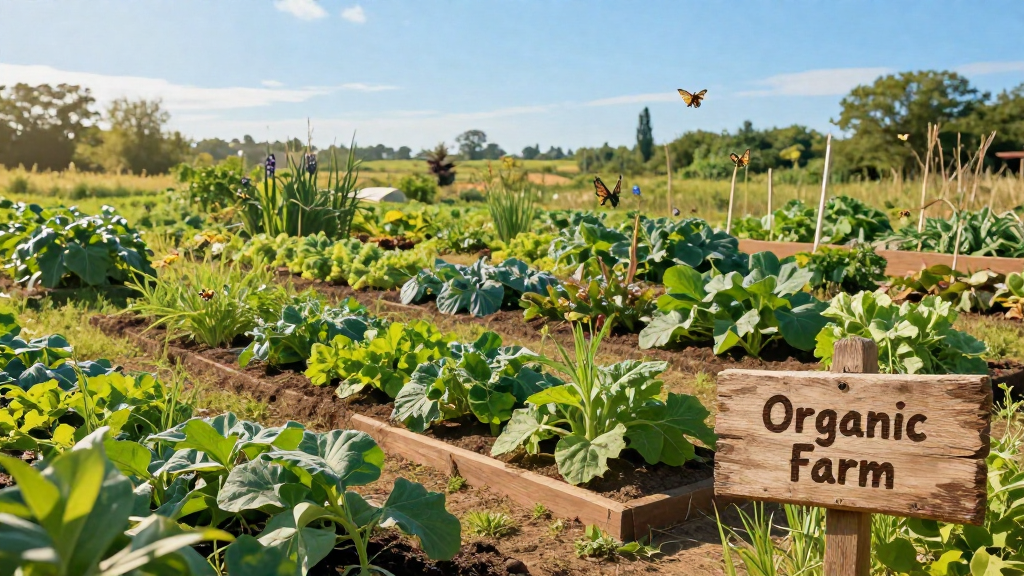
In today’s world, eco agriculture ideas are more important than ever.
These innovative farming practices focus not only on reducing environmental impact but also on enhancing productivity and sustainability.
Let’s explore some modern eco agriculture ideas that are transforming the agricultural landscape.
What Are the Basic Principles of Eco Agriculture?
Eco agriculture is an approach that emphasizes sustainability, biodiversity, and conservation.
It utilizes strategies that support the health of ecosystems while producing crops and livestock.
Here are some core principles:
- Sustainability: Practices that meet current food needs without compromising future generations.
- Biodiversity: Fostering a variety of crops and livestock to create a resilient farming system.
- Soil Health: Enhancing soil quality and fertility through natural means.
- Integrated Pest Management (IPM): Using biological control methods rather than chemical pesticides.
By adhering to these principles, farmers can implement innovative eco agriculture ideas that positively impact their land and communities.
What are Some Innovative Eco Agriculture Ideas?
Innovative eco agriculture ideas are transforming farms across the globe.
Here are a few worth noting:
1. Agroecology
Agroecology mixes agricultural science with ecological principles.
This approach focuses on:
- Crop rotation: Enhances soil fertility and disrupts pest cycles.
- Polyculture: Growing multiple crops in the same area to reduce risk and improve biodiversity.
- Natural fertilizers: Using compost and animal manure instead of synthetic options.
Agroecology promotes a resilient farming system while minimizing environmental impact.
2. Vertical Farming
Vertical farming is revolutionizing the way we grow food by eliminating the need for large land areas.
This method involves:
- Growing crops in stacked layers, often indoors.
- Utilizing hydroponics or aeroponics for soil-less cultivation.
- Implementing controlled environments to optimize growth conditions.
Vertical farming can significantly reduce transportation emissions while providing fresh produce in urban areas.
3. Permaculture
Permaculture is a holistic approach that creates sustainable and self-sufficient agricultural systems.
Key practices include:
- Designing landscapes that mimic natural ecosystems.
- Water conservation techniques, such as rainwater harvesting.
- Creating multi-functional spaces where plants, animals, and humans thrive together.
By using permaculture concepts, farmers can create resilient systems that are easier to maintain.
4. Organic Farming
Organic farming focuses on growing crops and raising livestock without synthetic chemicals.
Some key elements include:
- Using organic fertilizers and pest management strategies.
- Rotating crops to maintain soil health.
- Emphasizing animal welfare and biodiversity.
Organic farming has seen a significant rise in popularity as consumers demand healthier, chemical-free options.
5. Hydroponics and Aquaponics
Both hydroponics and aquaponics present sustainable alternatives to traditional farming.
- Hydroponics involves growing plants in nutrient-rich solutions without soil.
- Aquaponics combines hydroponics with fish farming, allowing fish waste to fertilize plants.
These systems conserve water, reduce land use, and can be set up in urban areas, making them appealing eco agriculture ideas.
How Can Technology Enhance Eco Agriculture Ideas?
Technology plays a significant role in the future of eco agriculture.
Here are some helpful advancements:
1. Precision Agriculture
Precision agriculture uses technology to monitor crop health and optimize resource use.
This includes:
- GPS and GIS for mapping fields and analyzing soil conditions.
- Drones and satellites for aerial imaging and monitoring crop conditions.
- IoT devices that provide real-time data for water and nutrient management.
By employing precision agriculture techniques, farmers can maximize yields while minimizing their environmental footprint.
2. Biotechnology
Biotechnology allows farmers to develop crops that are resistant to pests and diseases, reducing the need for chemical treatments.
This approach can lead to:
- Higher yields and less crop loss.
- Drought-resistant varieties to combat climate change.
- Improved nutritional profiles of food crops.
By utilizing biotechnology, farmers can implement sustainable practices more effectively.
What Are the Benefits of Eco Agriculture Ideas?
The benefits of eco agriculture ideas extend beyond just environmental concerns.
Here are several advantages:
- Enhanced Soil Health: Sustainable practices lead to improved soil structure and fertility.
- Biodiversity Conservation: Supporting diverse ecosystems contributes to balanced agricultural systems.
- Increased Resilience: Farms that adopt eco agriculture practices are often more resilient to climate changes and pest pressures.
- Community Engagement: Sustainable practices often involve local communities, enhancing food security and local economies.
These benefits highlight the importance of adopting modern eco agriculture ideas.
How Do We Encourage the Adoption of Eco Agriculture Ideas?
Encouraging the adoption of eco agriculture ideas requires multi-faceted approaches.
Here are strategies to promote sustainable practices:
1. Education and Training
Educating farmers, agricultural professionals, and consumers on the benefits and techniques of eco agriculture is crucial.
Workshops, training sessions, and online resources can help raise awareness and provide practical training.
2. Government Policies and Support
Government initiatives can facilitate the shift towards sustainable agriculture.
Policies could include:
- Financial incentives for farmers who adopt eco-friendly practices.
- Grants to support research into sustainable agriculture technologies.
- Regulations to limit harmful chemical use in farming.
3. Community Support Networks
Building farmer cooperatives and support groups can foster collaboration and knowledge sharing.
Communities can create:
- Local markets to support organic and sustainable farmers.
- Exchange programs for tools and resources.
- Platforms for sharing successes and challenges.
Conclusion
Modern eco agriculture ideas present an exciting opportunity to reshape the future of farming.
By incorporating sustainable practices that prioritize environmental health and community engagement, farmers can create resilient agricultural systems.
Whether it’s through agroecology, vertical farming, or biotechnology, the journey towards a more sustainable future in agriculture is filled with potential.
As we continue to explore and implement these innovative eco agricultural practices, we can ensure that our farming systems are not only productive but also sustainable for generations to come.