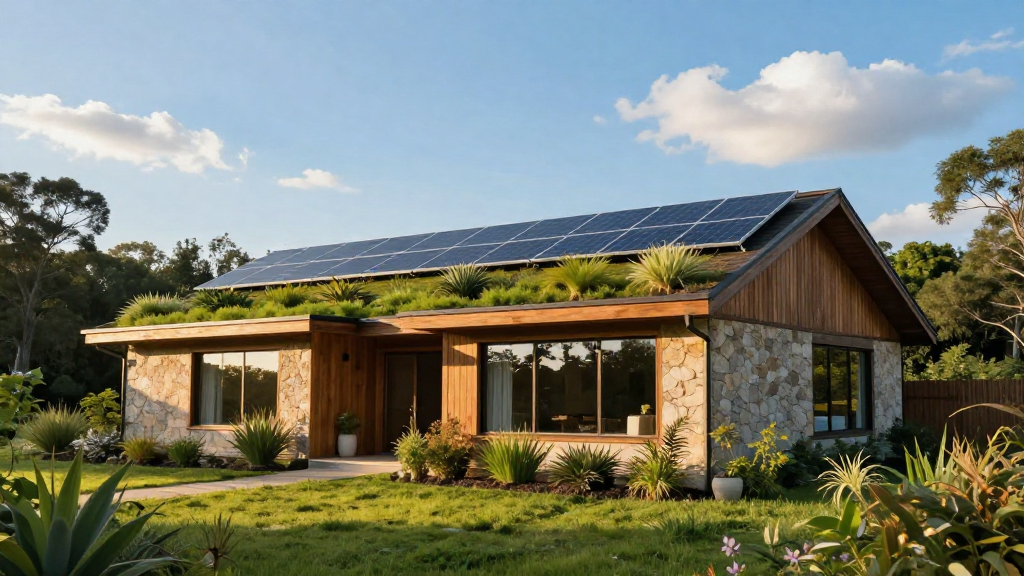
When we talk about eco architecture features, we refer to the elements that make buildings sustainable and environmentally friendly.
What Are Eco Architecture Features?
Eco architecture features revolve around sustainability, resource efficiency, and minimal environmental impact. These design elements aim to reduce carbon footprints while maximizing energy efficiency.
Why Is Eco Architecture Important?
The importance of eco architecture features cannot be overstated.
-
Climate Change Mitigation: Eco-friendly architecture plays a crucial role in addressing climate change by minimizing greenhouse gas emissions.
-
Resource Conservation: Eco architecture emphasizes the efficient use of resources, ensuring that we preserve the planet for future generations.
-
Enhanced Health and Well-being: Buildings designed with eco-friendly features often provide better indoor air quality and natural lighting, contributing to the overall health of occupants.
Which Materials Support Eco Architecture?
The choice of materials is fundamental to the eco architecture features of a building.
-
Recycled Materials: Using recycled products reduces waste and conserves resources.
-
Sustainable Woods: Materials sourced from sustainable forests are ideal for eco architecture as they are renewable and biodegradable.
-
Low-VOC Products: Utilizing paints, adhesives, and finishes that emit low levels of volatile organic compounds (VOCs) contributes to healthier indoor environments.
-
Green Concrete: Innovations in concrete technology allow for the production of lower-carbon concrete, further enhancing eco architecture.
What Role Does Energy Efficiency Play?
Energy efficiency is one of the cornerstone eco architecture features.
-
Insulation: High-quality insulation in walls, roofs, and floors helps reduce the energy needed for heating and cooling.
-
Energy-efficient Windows: Double-glazed or triple-glazed windows improve thermal performance and minimize energy loss.
-
Renewable Energy Sources: Incorporating solar panels or wind turbines can significantly cut down a building’s reliance on non-renewable energy sources.
-
Smart Home Technology: Automated systems can optimize energy usage, adjusting things like heating and lighting according to need.
How Can Water Conservation Be Implemented?
Water conservation is integral to eco architecture.
-
Rainwater Harvesting: Systems to collect and store rainwater can be utilized for irrigation or even domestic use.
-
Low-flow Fixtures: Installing water-efficient toilets, faucets, and showerheads can greatly reduce water consumption.
-
Xeriscaping: Landscaping designed to reduce or eliminate the need for irrigation supports eco architecture by conserving water.
-
Natural Pools and Ponds: Incorporating natural water bodies into landscaping contributes to biodiversity while serving as water features.
How Does Land Use Affect Eco Architecture?
The location and layout of a building are crucial eco architecture features.
-
Site Orientation: Properly orienting a building can maximize natural light and solar gain, reducing reliance on artificial heating and lighting.
-
Minimal Disturbance: Good eco architecture involves designing buildings that minimize disruption to the existing ecosystem and landscape.
-
Public Transportation Access: Choosing sites that are easily accessible by public transport encourages sustainable commuting options.
-
Urban Infill: Redeveloping existing urban sites reduces urban sprawl and helps to maintain green spaces.
Are There Specific Design Strategies in Eco Architecture?
Design plays a vital role in determining the eco architecture features of a structure.
-
Passive Design: This strategic design approach maximizes natural light and ventilation while minimizing energy use.
-
Biophilic Design: Integrating natural features within architectural design fosters a connection with nature and promotes well-being.
-
Modular Construction: This approach reduces waste and allows for flexibility in using resources while maintaining efficiency.
-
Green Roofs: Installing vegetation on rooftops can help insulate buildings, reduce rainwater runoff, and support biodiversity.
How Can Technology Enhance Eco Architecture?
Technology significantly enhances eco architecture features.
-
Building Information Modeling (BIM): BIM allows for efficient design processes that optimize material use and energy consumption.
-
Energy Modeling Software: This helps architects simulate energy performance before construction, allowing for informed decisions regarding design and materials.
-
Internet of Things (IoT): Smart building technologies can monitor energy and water usage in real-time, helping maintain efficiency.
-
3D Printing: This technology can create building components more efficiently, reducing waste and materials required.
Are Eco-Friendly Certifications Essential?
Certifications can lend credibility to eco architecture features.
-
LEED (Leadership in Energy and Environmental Design): This globally recognized certification promotes efficient use of resources and sustainable practices in building design.
-
BREEAM (Building Research Establishment Environmental Assessment Method): One of the most widely used sustainability assessment methods for master planning projects, infrastructure, and buildings.
-
Living Building Challenge: A rigorous certification that requires buildings to operate as cleanly and efficiently as nature’s architecture.
Conclusion: The Future of Eco Architecture
In a world grappling with environmental challenges, the role of eco architecture features is more significant than ever.
Implementing these features will not only reduce environmental impacts but also improve living conditions.
From the selection of materials to innovative technologies and sustainable design principles, eco architecture is shaping the future of how we build.
As we strive for a greener planet, understanding and adopting eco architecture features is a vital step toward sustainability and environmental stewardship.