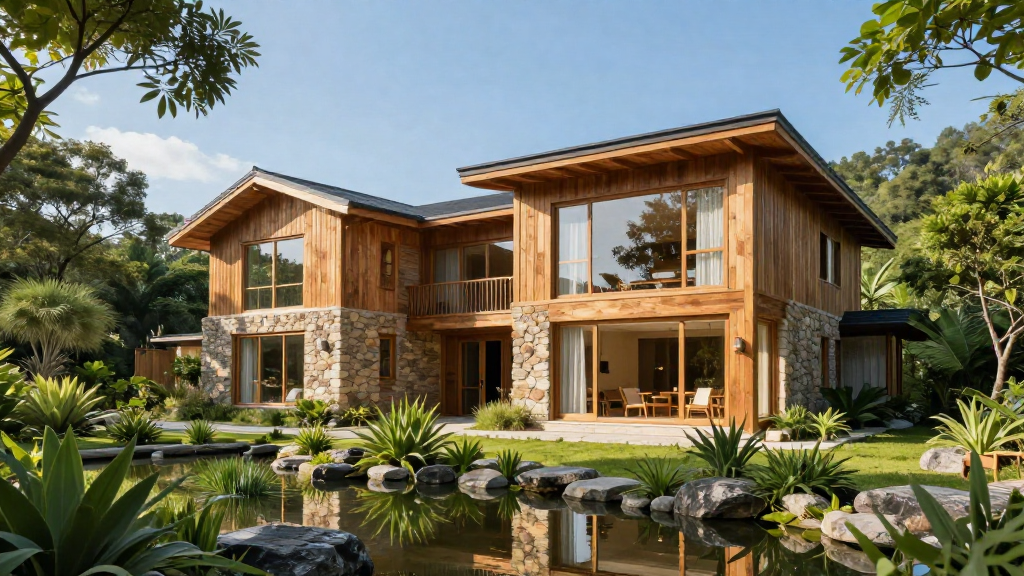
Eco building basics encompass sustainable construction practices that are environmentally responsible and resource-efficient throughout a building’s lifecycle.
What Is Eco Building?
Eco building refers to the practice of constructing buildings using methods and materials that minimize negative impacts on the environment.
Why Is Eco Building Important?
The importance of eco building lies in its potential to significantly reduce waste, conserve energy, and lower greenhouse gas emissions.
By adopting eco building practices, we can:
- Reduce resource consumption
- Promote biodiversity
- Improve indoor air quality
- Enhance energy efficiency
- Increase overall health and well-being of occupants
These principles not only benefit the planet but also create healthier and more sustainable living environments.
What Are the Key Principles of Eco Building?
To fully understand eco building basics, it’s essential to grasp its underlying principles. Below are some of the key concepts that define sustainable construction:
1. Sustainable Site Selection
Choosing the right location for construction is crucial. Factors include:
- Proximity to public transport
- Minimal disruption to existing ecosystems
- Accessibility to local resources
Sustainable site selection minimizes the ecological footprint all while supporting community connections.
2. Energy Efficiency
Energy-efficient designs and materials can substantially reduce energy consumption in buildings. Techniques include:
- Utilizing passive solar design
- Implementing thermal insulation
- Choosing energy-efficient appliances
By focusing on energy efficiency, eco buildings can lower their reliance on non-renewable energy sources.
3. Water Conservation
Effective water management is essential in eco building basics.
Integrative strategies include:
- Rainwater harvesting systems
- Greywater recycling systems
- Low-flow fixtures and appliances
These strategies conserve water while providing an adequate supply for daily needs.
4. Sustainable Materials
Using eco-friendly materials is a fundamental aspect of eco building.
Key considerations for sustainable materials involve:
- Sourcing locally to reduce transportation emissions
- Selecting renewable materials, such as bamboo or reclaimed wood
- Doing away with harmful chemicals found in traditional building materials
These choices contribute to reduced pollution and healthier living spaces.
5. Indoor Environmental Quality
The indoor environment significantly affects occupant health and productivity.
To improve indoor environmental quality, eco buildings should:
- Utilize natural ventilation
- Optimize natural lighting
- Use low-VOC (volatile organic compounds) materials
Such strategies enhance the well-being of those who live or work in the building.
How Do Eco Building Standards Work?
Understanding eco building basics also involves recognizing the various standards and certifications that guide sustainable construction.
Common Certifications
- LEED (Leadership in Energy and Environmental Design)
- A globally recognized symbol of sustainability achievement.
- BREEAM (Building Research Establishment Environmental Assessment Method)
- A widely used environmental assessment method for master planning projects, infrastructure, and buildings.
- Green Globes
- A more flexible certification with a focus on site sustainability, energy efficiency, and resource conservation.
These certifications provide frameworks for verifying sustainable practices while promoting eco-friendly building methods.
What Are the Benefits of Eco Building?
The advantages of embracing eco building basics extend beyond environmental concerns.
Key benefits include:
-
Economic Savings: Eco-friendly buildings often result in lower energy bills and maintenance costs.
-
Increased Property Value: Sustainable buildings tend to appreciate more over time, appealing to environmentally conscious buyers.
-
Health and Well-Being: Enhanced indoor air quality and natural light contribute to the overall well-being of occupants.
-
Government Incentives: Many regions offer tax credits, grants, and other financial incentives for eco-friendly building practices.
These benefits make eco building an attractive option for homeowners, businesses, and municipalities alike.
How Can You Get Started with Eco Building?
If you’re interested in incorporating eco building basics into your construction project, here are some actionable steps to consider:
1. Educate Yourself
Familiarize yourself with sustainable building practices through reputable resources, such as:
- Online courses
- Books and journals focused on sustainable architecture
- Professional organizations like the U.S. Green Building Council
2. Consult Professionals
Collaborate with architects, builders, and contractors who specialize in eco building.
Their expertise can help ensure that your project meets sustainability goals without compromising design.
3. Create an Eco Building Plan
Develop a construction plan that incorporates the principles of eco building. Focus on:
- Site selection
- Materials procurement
- Energy and water conservation strategies
A well-thought-out plan can streamline the building process and maximize sustainability.
4. Monitor During Construction
Regularly assess the building process to ensure that it adheres to eco building basics.
Maintain open lines of communication with your team to troubleshoot issues as they arise.
What Are Examples of Successful Eco Buildings?
Here are a few notable examples of eco buildings that exemplify successful sustainable practices:
1. The Edge, Amsterdam
Renowned for its energy-efficient design, The Edge incorporates solar panels and a green roof.
This building is lauded for its smart technology that optimizes energy use.
2. Bosco Verticale, Milan
This innovative residential complex features vertical forests, helping to improve air quality and promote biodiversity in the city.
3. One Central Park, Sydney
This residential project integrates sustainable design elements such as green roofs, which not only promote biodiversity but also help regulate temperature.
Conclusion
Understanding eco building basics is a significant step towards creating a more sustainable future.
By focusing on principles such as sustainable site selection, energy efficiency, and proper material choices, you can contribute to preserving the environment.
Investing in eco building not only benefits the planet but also enhances the quality of life for its occupants.
From improved health to economic savings, going green in construction presents multifaceted rewards.
As awareness grows, so do opportunities to integrate these practices into everyday building projects, reshaping our communities for a better tomorrow.
Commit to eco building today and be a part of the sustainable movement that influences living spaces for generations to come.