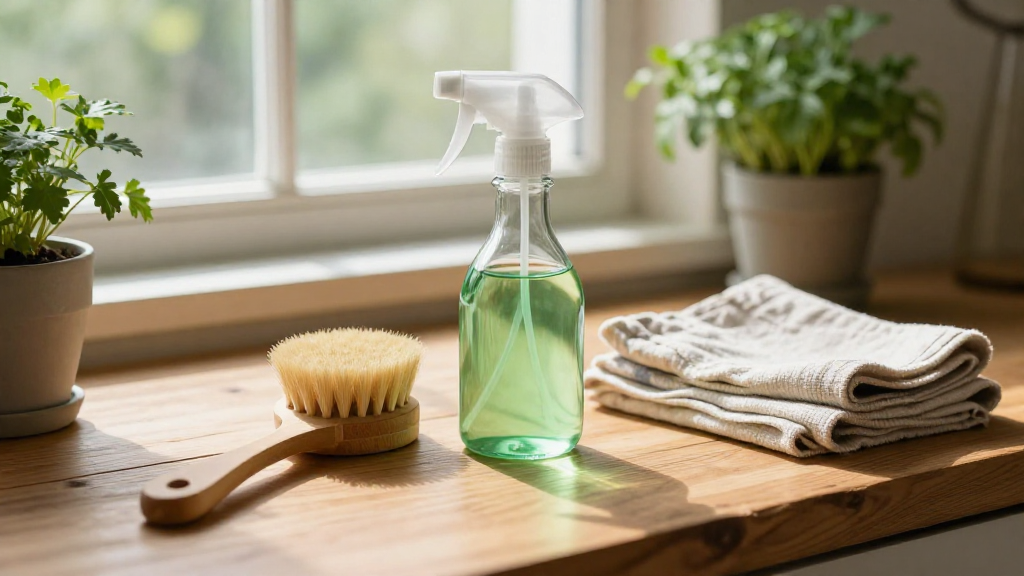
Creating a clean and safe environment should not come at the expense of our planet.
This is why having an eco cleaning checklist is essential for any conscientious individual or family striving for sustainability.
What is an Eco Cleaning Checklist?
An eco cleaning checklist is a guide that outlines non-toxic and environmentally friendly products and methods to maintain a clean home.
By focusing on green cleaning solutions, you can minimize the impact of household cleaning on the environment.
This checklist can help you make informed choices about your cleaning products, ensuring that they are safe for both your family and the planet.
Why Choose Eco-Friendly Cleaning Products?
Choosing sustainable cleaning products has several benefits:
-
Healthier Home: Many conventional cleaning products contain harmful chemicals that can cause respiratory issues, skin irritations, and other health problems.
-
Environmental Protection: Eco-friendly cleaners reduce pollution and waste.
-
Sustainable Practices: They often use biodegradable or recyclable packaging, which decreases your carbon footprint.
Essential Items for Your Eco Cleaning Checklist
When creating your eco cleaning checklist, make sure to include the following essential items:
1. What Natural Cleaning Agents Should You Use?
-
Baking Soda: Great for scrubbing surfaces and absorbing odors.
-
White Vinegar: Effective for cutting through grease and eliminating mold.
-
Lemon Juice: A natural antibacterial agent that also leaves a fresh scent.
-
Castile Soap: A versatile soap made from vegetable oils, suitable for various surfaces.
2. Which Eco-Friendly Products Are Best?
When considering pre-made products, check for certifications such as EPA Safer Choice or Green Seal. Here are some eco-friendly options:
-
Biodegradable Disinfectants: Look for those that are free from harsh chemicals.
-
Plant-Based Laundry Detergent: Opt for brands that focus on sustainability and ingredients derived from plants.
-
Reusable Cleaning Cloths: Reduce waste by avoiding paper towels.
3. How Do You Create an Effective Cleaning Schedule?
A successful cleaning routine incorporates frequency, tasks, and responsibilities. Here’s a simple guide:
-
Daily Tasks: Dishwashing, quick surface wipe-downs, and clutter management.
-
Weekly Tasks: Dusting, vacuuming, and bathroom cleaning.
-
Monthly Tasks: Deep cleaning carpets, windows, and appliances.
4. What Tools Do You Need for Eco Cleaning?
Your eco cleaning checklist should also include the right tools:
-
Microfiber Cloths: These are perfect for trapping dirt without harsh chemicals.
-
Natural Bristle Brushes: Ideal for scrubbing surfaces without scratching them.
-
Spray Bottles: Use these for homemade cleaners and ensure to label them clearly.
-
Bamboo or Recycled Brushes: Opt for products made from sustainable materials.
5. How Can You Improve Indoor Air Quality?
Improving air quality is essential for a healthy home. Here are ways to start:
-
Open Windows: This helps circulate fresh air and reduce indoor pollutants.
-
Use Air-Purifying Plants: Plants like spider plants and peace lilies can filter toxins.
-
Essential Oils: Use them in diffusers instead of synthetic air fresheners.
What Should Be Avoided in Your Eco Cleaning Checklist?
Avoiding certain cleaning practices and products can enhance your eco cleaning efforts. Here are a few to steer clear of:
-
Synthetic Fragrances: Often found in traditional cleaners, they can contain harmful chemicals.
-
Chlorine Bleach: While effective for disinfecting, it’s detrimental to both health and the environment.
-
Phosphate-Rich Detergents: They can harm aquatic ecosystems.
How Can You Make DIY Cleaning Solutions?
One of the best ways to ensure your cleaning products are eco-friendly is to make them yourself. Here’s how:
Multi-Surface Cleaner Recipe
- Ingredients:
- 1 cup of water
- 1 cup of white vinegar
-
10 drops of essential oil (like tea tree or lavender)
-
Instructions:
1. Combine in a spray bottle.
2. Shake well before each use.
Glass Cleaner Recipe
- Ingredients:
- 1 cup water
- 1 cup of vinegar
-
1 tablespoon of cornstarch
-
Instructions:
1. Mix ingredients in a spray bottle.
2. Shake before using.
How Can You Get Everyone Involved?
Cleaning should not be a one-person job.
Involve the whole household in your eco cleaning efforts with these tips:
-
Assign Tasks: Divide cleaning responsibilities based on each person’s strengths and preferences.
-
Educate: Teach family members about the benefits of eco-friendly cleaning.
-
Make it Fun: Create a cleaning playlist and set a timer to make it a race against the clock!
What Are The Benefits of Following an Eco Cleaning Checklist?
By following an eco cleaning checklist, you will experience numerous advantages, such as:
-
Cost Savings: Many natural cleaning methods are inexpensive and easy to create.
-
Minimized Waste: Using reusable products helps reduce landfill waste.
-
Enhanced Awareness: You will become more conscious of the products you bring into your home.
Conclusion
Creating and following an eco cleaning checklist is a simple, effective way to maintain a clean and healthy home while also protecting the environment.
By focusing on natural ingredients, reusable tools, and sustainable practices, you can ensure your cleaning routine supports your values.
Start today: implement your eco cleaning checklist, and join the movement towards a healthier planet!
Whether you’re a cleaning novice or a seasoned pro, remember that every small change counts.
Together, we can create a sustainable future, one clean home at a time.