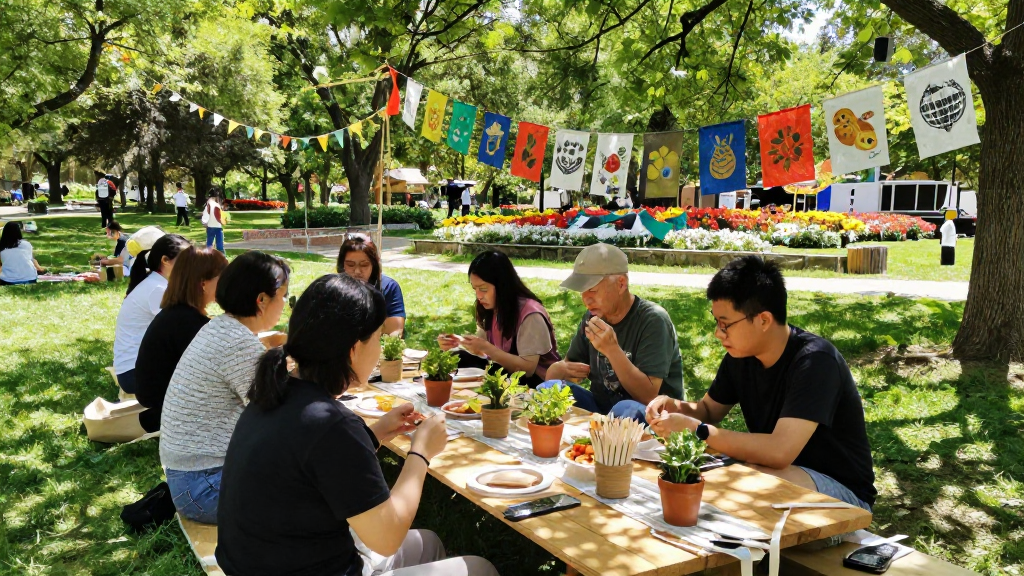
Are you passionate about sustainability and looking to engage your community?
Hosting eco community events is a fantastic way to promote environmental stewardship while fostering community spirit.
In this article, we’ll explore practical tips, ideas, and best practices for organizing eco community events that bring people together while conserving our planet.
What Are Eco Community Events?
Eco community events are gatherings that focus on sustainability, environmental awareness, and eco-friendly practices.
They can range from workshops, festivals, and clean-up drives to educational seminars and local farmers’ markets.
These events not only raise awareness about environmental issues but also encourage collective action within the community.
Why Should You Host Eco Friendly Events?
What are the Benefits of Eco Community Events?
-
Raise Awareness: These events educate the community about pressing environmental issues like climate change, pollution, and biodiversity loss.
-
Community Engagement: They foster a sense of belonging and encourage teamwork as community members come together for a common cause.
-
Support Local Economy: By featuring local vendors, artisans, or farmers, you can boost the local economy while promoting sustainable practices.
-
Inspire Change: These events motivate individuals to adopt eco-friendly habits in their own lives, such as recycling, composting, or reducing waste.
How to Plan Eco Community Events?
What Steps Should You Follow?
- Define Your Goals: Determine the purpose of the event.
Is it to educate, celebrate, or facilitate action? Having clear goals will guide your planning process.
- Choose a Suitable Location: Opt for a venue that aligns with your eco-friendly objectives.
Parks, community centers, or even public gardens can work as great venues.
- Engage Stakeholders: Collaborate with local businesses, non-profits, and community leaders.
Their involvement will lend credibility to your event and expand your reach.
- Create an Agenda: Develop a timetable of activities and workshops that align with your goals.
Ensure to include time for networking, relaxation, and entertainment.
- Budget Wisely: Establish a budget that includes venue fees, marketing, supplies, and any necessary permits.
Look for sponsorships to minimize costs and maximize impact.
How to Make Your Eco Community Events Sustainable?
What Practices Should You Follow?
- Minimize Waste:
- Use biodegradable or compostable materials for food and drinks.
- Encourage attendees to bring reusable items such as water bottles, plates, and cutlery.
- Set up recycling and composting stations at the event.
- Eco-Friendly Transportation:
- Promote carpooling, biking, or public transportation to reduce the carbon footprint of your event.
- Offer incentives, like discounts, for attendees who come via sustainable transport.
- Local and Organic Food:
- Serve food from local farms, ensuring it’s organic and seasonal.
- Consider featuring a potluck-style meal where community members bring dishes made from local ingredients.
- Green Activities:
- Organize hands-on workshops that focus on sustainable practices, like upcycling, permaculture, or gardening.
- Consider activities like tree planting or community clean-ups.
- Digital Promotions:
- Utilize online platforms to spread the word while minimizing paper waste.
- Create an event page on social media or use a website dedicated to your event.
How Can You Promote Eco Community Events?
What Strategies Work Best for Outreach?
- Social Media:
- Use platforms like Facebook, Instagram, and Twitter to connect with your audience.
- Share updates, teasers, and eco-tips that engage participants in advance.
- Local Media:
- Reach out to local newspapers, radio stations, and blogs to generate buzz.
- Consider writing a guest article or getting interviewed to discuss the event.
- Word of Mouth:
- Encourage community leaders and influencers to spread the word.
- Consider creating a referral incentive program that rewards people who bring friends.
- Flyers and Posters:
- While you want to minimize waste, well-designed flyers can be effective if placed strategically.
- Use recycled paper and eco-friendly inks for any printed materials.
- Engage Local Schools:
- Partner with educational institutions to involve students and families.
- Offer incentives for participation, such as service-learning credit or community awards.
How to Evaluate the Success of Eco Community Events?
What Criteria Should You Use?
- Attendance:
- Track the number of participants compared to your goals.
- High attendance usually indicates effective promotion and strong community interest.
- Feedback:
- Collect feedback through surveys or informal discussions.
- Ask attendees what they liked, what could be improved, and how they plan to contribute to eco-friendly efforts moving forward.
- Waste Reduction:
- Evaluate how much waste was generated during the event and how much was diverted from landfills through recycling and composting.
- Community Engagement:
- Measure how many new individuals or organizations have expressed interest in sustainability initiatives post-event.
- Track any new partnerships or collaborations that arose as a result.
- Sustained Impact:
- Follow up with participants after the event to see if they have adopted any new eco-friendly practices in their lives.
- Establish a community group or platform to continue discussions and initiatives.
Conclusion
Hosting eco community events is a meaningful way to make a positive impact on your local community while promoting sustainable practices.
With thoughtful planning, engaging activities, and a focus on sustainability, these events can inspire collective action toward a healthier planet.
Start small, gather your community, and step into the world of eco-friendly gatherings!
Not only will you spark a movement, but you’ll also create lasting connections and make a difference that matters.
So, what are you waiting for? Begin brainstorming your first eco community event today!