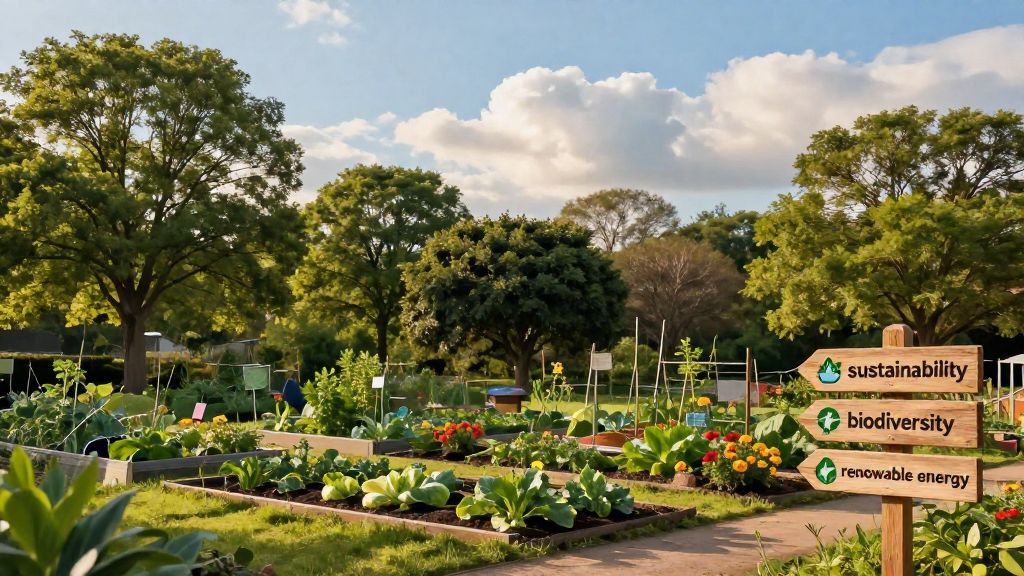
Creating eco community goals is essential for fostering sustainability and promoting environmental consciousness within your community. These goals help to unite individuals and organizations in their efforts to make a positive impact on our planet.
What Are Eco Community Goals?
Eco community goals refer to specific, measurable objectives that a community sets to improve its environmental sustainability.
These goals can encompass various aspects, from reducing waste and conserving energy to promoting biodiversity and enhancing community well-being.
Setting effective eco community goals enables communities to:
- Engage residents in sustainable practices
- Educate on environmental issues
- Promote collaboration and partnership between organizations
- Monitor progress towards a sustainable future
Why Are Eco Community Goals Important?
Establishing eco community goals is crucial for several reasons:
- Environmental Impact: They help mitigate the effects of climate change and pollution.
- Community Engagement: Goals foster a sense of shared responsibility and teamwork.
- Economic Benefits: Sustainable practices can lead to long-term cost savings for the community.
- Public Health: Cleaner environments contribute to better overall health for residents.
- Biodiversity: They promote conservation efforts that support local flora and fauna, enhancing ecosystem health.
How Can You Set Effective Eco Community Goals?
Setting effective eco community goals requires careful planning and collaboration. Here’s a step-by-step guide:
1. How Do You Assess Your Community’s Current State?
Before establishing goals, it’s vital to evaluate existing environmental conditions in your community.
Consider conducting:
- Surveys to understand local issues and priorities.
- Community workshops for gathering input and ideas.
- Environmental assessments to measure pollution levels, waste management efficiency, and biodiversity.
2. Which Key Areas Should Be Addressed?
Identify the primary focus areas for your eco community goals. Common areas include:
- Waste Management: Strategies for reducing, reusing, and recycling materials.
- Energy Conservation: Initiatives for using renewable energy sources and improving energy efficiency.
- Transportation: Promoting public transport, walking, biking, and carpooling.
- Water Conservation: Reducing water waste and enhancing water management practices.
- Biodiversity & Habitat Protection: Protecting local wildlife and native plants, and restoring habitats.
3. How Do You Involve the Community?
Engaging community members is critical for successful goal-setting. Here are some ways to encourage participation:
- Community Meetings: Host regular forums to discuss ideas and gather feedback.
- Partnerships: Collaborate with local environmental organizations and schools to raise awareness.
- Volunteer Opportunities: Create events where residents can actively participate in eco-friendly initiatives.
4. What Should Your Goals Look Like?
When formulating eco community goals, they should adhere to the SMART criteria:
- Specific: Clearly define what you want to achieve.
- Measurable: Ensure you can track progress and success.
- Achievable: Set realistic targets that can be accomplished with available resources.
- Relevant: Align goals with community needs and environmental priorities.
- Time-bound: Set a timeline for achieving these goals.
Examples of SMART Eco Community Goals
- Reduce community waste by 30% within three years through organized recycling programs.
- Increase energy efficiency in community buildings by 15% within two years through retrofitting initiatives.
- Restore 10 acres of native habitat by 2025 to promote local biodiversity.
5. How Do You Monitor and Review Progress?
Regular monitoring is essential to track progress toward your eco community goals. Establish a system to:
- Collect data: Continuously measure outcomes related to your goals.
- Evaluate effectiveness: Assess whether strategies are working or need adjustments.
- Provide feedback: Share progress updates with the community to maintain enthusiasm and involvement.
6. How Is Community Education and Outreach Essential?
Educating the community about sustainability practices enhances the impact of your eco community goals.
Consider implementing:
- Workshops: Teach residents about composting, energy savings, and sustainability practices.
- School Programs: Integrate environmental education into local curriculum and activities.
- Social Media Campaigns: Use online platforms to raise awareness about ongoing projects and community efforts.
7. What Partnerships Can Enhance Your Goals?
Collaborating with local organizations, businesses, and government entities can amplify your efforts in achieving eco community goals.
Explore partnerships with:
- Nonprofits: Organizations focused on environmental protection can provide expertise and resources.
- Local Businesses: Encourage sustainable practices and support local economies via eco-friendly partnerships.
- Government Agencies: Engage with local authorities for support in policy-making and funding.
8. How Do You Celebrate Achievements?
Recognizing milestones and successes motivates the community to stay engaged with eco community goals.
Plan celebrations by:
- Hosting Community Events: Celebrate achievements with a festival or community fair.
- Acknowledging Efforts: Recognize contributing individuals and organizations publicly.
- Sharing Success Stories: Utilize newsletters and social media to highlight accomplishments and inspire ongoing participation.
Conclusion
Setting eco community goals is an essential step in fostering environmental sustainability and community engagement.
By assessing your community’s current state, identifying focus areas, involving residents, and using the SMART framework, you can create effective and impactful goals.
Don’t forget that collaboration and ongoing education play a significant role in achieving these aspirations.
As your community works together to meet these goals, everyone will contribute to a healthier, more sustainable planet.
Join forces with your neighbors, engage in meaningful dialogue, and set those eco community goals today to pave the way for a brighter tomorrow!