As summer approaches, many of us turn to air conditioning for relief from the heat. However, traditional cooling methods can be energy-intensive and expensive. That’s why it’s essential to explore eco cooling options that are both sustainable and economical.
In this article, we will discuss various eco cooling options, how they work, and which solutions are best suited for your home or office.
What Are the Benefits of Eco Cooling Options?
Choosing eco cooling options not only helps in reducing your energy bills but also contributes positively to the environment. Here are some key benefits:
-
Energy Efficiency: Eco-friendly cooling systems generally consume less energy, lowering your utility bills.
-
Sustainability: Many eco cooling options utilize renewable resources, reducing greenhouse gas emissions.
-
Comfort: Eco cooling methods can maintain a more consistent and comfortable temperature throughout your space.
-
Healthier Air Quality: Many eco-friendly systems improve indoor air quality by reducing humidity and filtering pollutants.
What Are the Best Eco Cooling Options?
1. What is Passive Cooling?
Passive cooling utilizes natural systems to maintain a comfortable indoor temperature without mechanical assistance.
Some common methods include:
-
Window Orientation: Placing windows to capture prevailing breezes can improve air circulation.
-
Insulation: Proper insulation helps maintain interior temperature.
-
Ventilation: Utilizing exhaust fans and vents can promote air movement.
-
Landscaping: Strategic planting of trees can provide shade and cool the surrounding air.
Passive cooling can be highly effective, especially in homes designed specifically for this approach.
2. How Do Evaporative Coolers Work?
Evaporative coolers, also known as swamp coolers, are another popular eco cooling option.
These devices work by using the principle of evaporation.
-
Water is drawn into a cooling pad.
-
A fan blows air through the pad, causing moisture to evaporate and cool the air before it enters the home.
Some benefits of evaporative coolers include:
-
Low Energy Consumption: They use significantly less energy than traditional air conditioners.
-
Humidity Control: They add moisture to dry air, making them ideal for arid climates.
3. What Role Does Shading Play in cooling?
Shading is a simple yet effective method for reducing indoor temperatures.
Ways to implement shading include:
-
Awnings: Installing awnings over windows can block direct sunlight.
-
Blinds and Drapes: Using reflective blinds or thermal drapes can keep rooms cool.
-
Plant Shelters: Trees, shrubs, and other plants can provide natural shade.
Shading not only lowers indoor temperatures but also reduces the need for air conditioning.
4. Why Consider Green Roofs or Roof Gardens?
Green roofs or roof gardens are becoming more popular as eco cooling options.
These roofs are covered with vegetation that helps insulate the building and keep it cooler.
Benefits of green roofs include:
-
Temperature Regulation: Plants absorb heat and provide shade.
-
Air Quality Improvement: They filter pollutants from the air.
-
Biodiversity: Green roofs contribute to urban biodiversity by providing habitats for various species.
5. What Are Some High-Efficiency HVAC Systems?
If you prefer traditional cooling systems, consider upgrading to high-efficiency HVAC systems.
These systems operate with greater efficiency than standard models, providing significant energy savings.
When looking for high-efficiency options, consider:
-
SEER Ratings: Look for units with a Seasonal Energy Efficiency Ratio (SEER) of 16 or higher.
-
Inverters: Inverter technology allows the system to adjust its capacity based on the cooling demand.
6. How Can Fans Help Cool Your Space?
Ceiling fans and portable fans are excellent eco cooling options that can make a substantial difference in how cool a room feels.
Here’s how you can maximize their effectiveness:
-
Counterclockwise Rotation: Set ceiling fans to run counterclockwise during summer for a cooling breeze.
-
Strategic Placement: Position fans near windows to draw in cooler air in the evenings.
-
Use in Combination: Combine fans with open windows or doors for cross-ventilation.
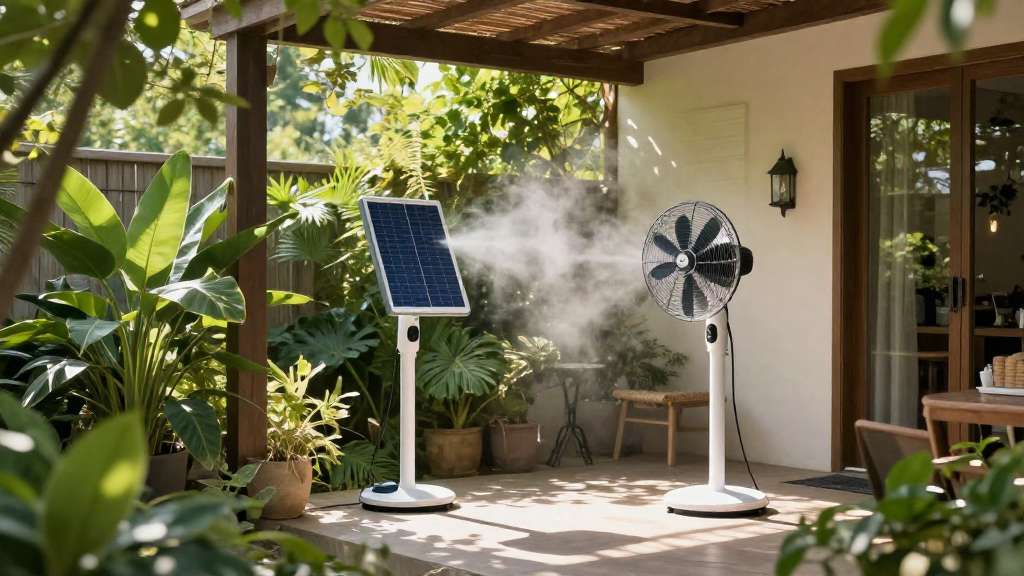
7. What About Solar-Powered Cooling?
Solar-powered cooling systems harness the sun’s energy to cool your space.
Options include:
-
Solar Air Conditioners: These specially designed units use solar panels to power air conditioning systems.
-
Solar Attic Fans: These fans can reduce heat build-up in attics, leading to cooler interior temperatures.
-
Solar-Powered Evaporative Coolers: They merge both solar energy and evaporative cooling for efficient summer cooling.
Embracing solar-powered cooling is a sustainable choice that can also lead to long-term savings.
How to Choose the Right Eco Cooling Option?
When selecting eco cooling options, consider the following factors:
-
Climate: Choose options suited to your local climate, such as evaporative coolers for dry areas.
-
Home Design: Assess your home’s architecture to determine the most effective passive cooling methods.
-
Budget: Weigh the initial installation costs versus long-term savings; higher upfront costs may yield better savings over time.
-
Energy Source: Opt for systems using renewable energy whenever possible to maximize eco-friendliness.
Conclusion: Which Eco Cooling Option is Right for You?
With several eco cooling options available, it’s easier than ever to stay cool during the summer months without harming the planet.
From passive cooling strategies to advanced solar systems, the key is to select the methods and technologies that work best for your unique situation.
By investing in eco-friendly cooling solutions, you can enjoy a comfortable summer while contributing to a healthier planet.
Embrace these eco cooling options to ensure a cooler, more sustainable future for yourself and the environment!