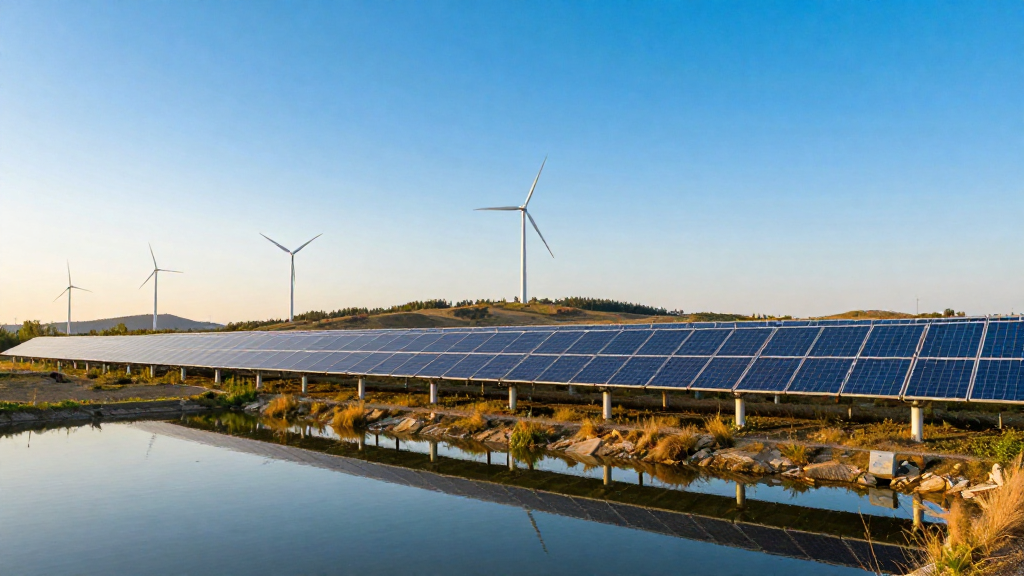
As the world faces pressing environmental challenges, the search for eco energy sources is more critical than ever.
In this article, we will explore the leading eco energy sources, their benefits, and how they contribute to a sustainable future.
What Are Eco Energy Sources?
Eco energy sources are energy systems that harness natural processes, providing a sustainable energy flow without depleting resources or causing significant harm to the environment.
These energy sources are crucial in the fight against climate change and the reduction of greenhouse gas emissions.
They cover various forms of energy, including:
- Solar Energy
- Wind Energy
- Hydropower
- Geothermal Energy
- Biomass Energy
Why Are Eco Energy Sources Important?
The importance of utilizing eco energy sources cannot be overstated.
Here are several key reasons:
-
Reduction of Carbon Footprint:
Eco energy sources release little to no carbon emissions, helping to combat climate change. -
Sustainability:
They provide a sustainable alternative to fossil fuels, ensuring that future generations have access to energy. -
Energy Independence:
Harnessing local eco energy sources reduces reliance on imported fossil fuels, enhancing energy security. -
Job Creation:
The eco energy sector generates numerous job opportunities in installation, maintenance, and research. -
Biodiversity Conservation:
Using environmentally friendly energy reduces habitat destruction and promotes the protection of biodiversity.
Which Eco Energy Sources Are the Leading Choices?
Let’s delve deeper into some of the top eco energy sources currently available.
How Does Solar Energy Work?
Solar energy is harnessed using photovoltaic cells that convert sunlight into electricity.
This renewable energy source is abundant and widely available, making it one of the leading eco energy sources.
Benefits of Solar Energy:
- Reduces electricity bills
- Low maintenance costs
- Increases property value
- Eligible for government incentives and tax credits
Is Wind Energy a Viable Option?
Wind energy utilizes turbines to capture wind currents and convert them into electricity.
This form of eco energy has become increasingly popular due to advancements in technology and efficiency.
Benefits of Wind Energy:
- Abundant and renewable resource
- Low operational costs
- Requires minimal water use
- Supports agricultural practices
What about Hydropower?
Hydropower generates energy through flowing or falling water, typically using dams.
This is one of the oldest and most established forms of eco energy sources.
Benefits of Hydropower:
- Consistent and reliable energy production
- Low emissions during operation
- Potential for recreational activities (e.g., fishing, boating)
Can Geothermal Energy Be Harnessed?
Geothermal energy taps into the heat stored beneath the Earth’s surface.
This energy source is inherently sustainable and can be used for heating and electricity generation.
Benefits of Geothermal Energy:
- High efficiency rates
- Low land usage compared to wind and solar
- Minimal emissions and environmental impact
What Role Does Biomass Energy Play?
Biomass energy is produced from organic materials, such as plant and animal waste.
It can be utilized for heating, electricity generation, or even as a transportation fuel through processes like combustion and fermentation.
Benefits of Biomass Energy:
- Reduces landfill waste
- Provides a renewable energy source
- Can create local jobs in waste management and farming
How Can We Implement Eco Energy Sources?
Transitioning to eco energy sources involves strategic planning and collaboration among various stakeholders, including governments, communities, and businesses.
What Can Individuals Do?
Individuals can take several steps to promote the use of eco energy sources:
-
Invest in Solar Panels:
Homeowners can install solar panels to harness solar energy. -
Reduce Electricity Consumption:
Use energy-efficient appliances and LED lighting to decrease energy wastage. -
Advocate for Local Energy Policies:
Support policies that promote renewable energy in your community.
What Can Businesses Do?
Businesses play a significant role in transitioning to eco energy sources.
Here are some strategies for businesses to adopt:
-
Adopt Energy Efficiency Practices:
Evaluate energy consumption and implement measures to reduce it. -
Invest in Renewable Energy Certificates (RECs):
Businesses can purchase RECs to support renewable energy projects, even if they cannot install renewable energy systems themselves. -
Engage in Corporate Sustainability Reporting:
Maintain transparency regarding energy consumption and sustainability efforts.
How Can Government Policies Support Eco Energy Sources?
Government intervention is crucial for the widespread adoption of eco energy sources.
Policies and regulations may include:
-
Subsidies and Incentives:
Financial support for solar, wind, and biomass projects can encourage investment. -
Feed-in Tariffs:
Establishing fixed payments for renewable energy producers can stimulate growth. -
Carbon Pricing:
Taxing carbon emissions can incentivize companies to shift to clean energy alternatives.
What Challenges Do Eco Energy Sources Face?
Despite their numerous benefits, eco energy sources encounter various challenges.
What are the Technological Barriers?
-
Storage Solutions:
Effective energy storage systems are essential to address the intermittent nature of wind and solar energy. -
Grid Integration:
Modernizing energy grids to accommodate renewable sources can be complex and costly.
What are the Economic Challenges?
-
Initial Costs:
The initial costs of setting up renewable energy systems can be a barrier for both individuals and businesses. -
Market Competition:
Traditional fossil fuel industries often receive significant subsidies, making it challenging for renewables to compete.
Conclusion: The Future of Eco Energy Sources
The transition to eco energy sources is paramount for achieving a sustainable, greener future.
As technology advances and awareness grows, the hope is to see enhanced investments and infrastructure supporting these eco-friendly energy solutions.
By embracing solar, wind, hydropower, geothermal, and biomass energy, we can reduce our carbon footprint, promote sustainability, and secure a healthy planet for future generations.
Achieving this goal will require the collaborative effort of governments, businesses, communities, and individuals, paving the way toward a more sustainable energy landscape.