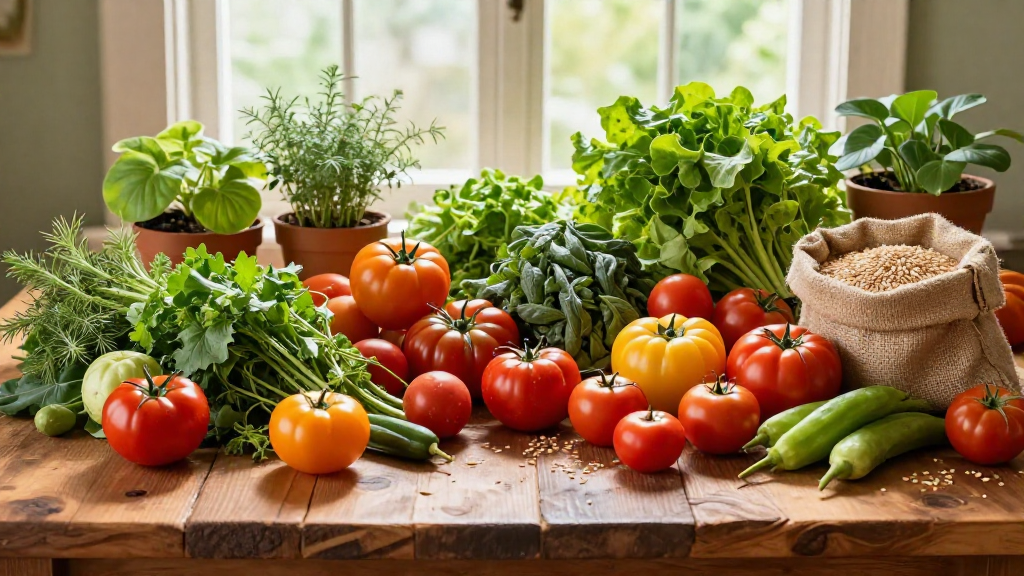
In today’s world, eco food choices have become a significant concern for consumers striving to promote sustainability.
Making conscious choices regarding food not only benefits personal health but also supports the environment.
In this article, we’ll explore what eco-friendly food choices entail and how they can lead to a more sustainable future.
What Are Eco Food Choices?
Eco food choices refer to the selection of foods based on their environmental impact.
These choices encompass various factors such as:
- Sourcing: Choosing locally grown or organic produce to reduce carbon footprints.
- Production methods: Considering how food is farmed or produced, including whether it utilizes sustainable practices.
- Packaging: Opting for foods with minimal or recyclable packaging.
By emphasizing sustainability in your diet, you can help mitigate climate change, preserve biodiversity, and promote animal welfare.
Why Are Eco Food Choices Important?
The importance of eco food choices cannot be overstated.
They play a crucial role in:
-
Reducing Carbon Emissions: Transportation of food contributes significantly to greenhouse gas emissions.
By choosing local products, we can minimize these impacts. -
Enhancing Soil Health: Sustainable farming practices foster healthier soils, which are essential for growing nutrient-rich food.
-
Preserving Ecosystems: Choosing sustainably-sourced foods can help maintain biodiversity by protecting habitats from destructive agricultural practices.
-
Promoting Animal Welfare: Supporting ethical farming ensures better living conditions for livestock and reduces the environmental impact associated with factory farming.
How Can You Make Eco Food Choices?
Making eco food choices may seem daunting at first, but it can be simplified with a few practical tips.
Here’s how you can integrate sustainable practices into your eating habits:
1. Go Organic
Buying organic products means you’re supporting farming methods that avoid synthetic pesticides and fertilizers.
These methods are less harmful to the environment and often promote biodiversity.
2. Eat Seasonally
Seasonal produce is often more nutritious and requires less energy for transportation and storage.
Some benefits of eating seasonally include:
- Lower Carbon Footprint: Seasonal foods require less travel, reducing emissions.
- Better Flavor: Foods harvested at their peak ripeness usually taste better.
3. Choose Local
Support local farmers and reduce emissions by purchasing food from farmers’ markets or local grocery stores.
Local foods often require less transportation and are fresher.
4. Embrace a Plant-Based Diet
Reducing meat and dairy consumption is one of the most effective eco food choices you can make.
Plant-based diets offer significant benefits, such as:
-
Lower Greenhouse Gas Emissions: Producing plant-based foods generally results in fewer carbon emissions than raising livestock.
-
Resource Efficiency: Livestock farming requires significantly more land, water, and energy compared to plant production.
5. Reduce Food Waste
Food waste is a leading contributor to greenhouse gas emissions.
To minimize waste:
- Plan meals ahead to avoid overbuying.
- Use leftovers creatively to make new dishes.
- Compost scraps to enrich the soil.
6. Opt for Fair Trade
Fair Trade certification ensures that farmers and workers receive fair wages and work in decent conditions.
Purchasing Fair Trade products supports ethical farming practices and helps uplift communities.
What Foods Should You Choose?
When making eco food choices, certain types of foods are generally better options than others.
Here’s a breakdown:
1. Fruits and Vegetables
Fresh produce can be a great option, especially when locally sourced.
Choose organic whenever possible to avoid harmful pesticides.
2. Whole Grains
Opt for grains like quinoa, farro, and brown rice.
These are often grown in ways that support soil health.
3. Legumes and Pulses
Beans, lentils, and peas are nutrient-dense and have a low environmental footprint.
They are also excellent sources of plant-based protein.
4. Sustainable Seafood
Fish and seafood can be sustainable if sourced through responsible fisheries.
Look for items certified by organizations like the Marine Stewardship Council (MSC).
5. Grass-Fed and Pasture-Raised Meats
If you consume meat, consider grass-fed or pasture-raised options.
These animals are often raised in healthier conditions with lower environmental impacts.
What About Packaging?
Packaging plays a crucial role in eco food choices.
When selecting products, always consider the packaging and its environmental impact.
Here are some tips for choosing eco-friendly packaging:
- Avoid Single-Use Plastics: These contribute to pollution and waste.
- Choose Recyclable Materials: Select products with packaging that can be easily recycled.
- Look for Bulk Options: Buying in bulk reduces excessive packaging waste.
How Can You Support Eco Food Choices as a Community?
Creating a culture of sustainability goes beyond personal choices.
Here’s how you can influence your community:
1. Start a Garden
Encourage a local community garden to promote local agriculture.
This initiative can help educate others about sustainable practices.
2. Join or Form Local Food Co-ops
Food cooperatives support local farmers and provide access to sustainable food.
This model emphasizes community involvement and cooperative purchasing.
3. Host Workshops
Organizing workshops on eco-friendly cooking and nutrition can engage the community in sustainable practices.
4. Advocate for Policy Change
Getting involved in local food policy can lead to better regulations around food production, waste management, and support for sustainable practices.
Conclusion: Why Start Making Eco Food Choices Today?
Embracing eco food choices is more than just a trend; it’s a necessary step toward achieving a sustainable future.
By making informed decisions about the food we consume, we can significantly impact our planet’s health.
Starting with simple changes in our diets, such as choosing local, seasonal, and plant-based foods, can lead to a ripple effect of positive environmental outcomes.
More than just benefiting ourselves, these choices support farmers, protect ecosystems, and contribute to community well-being.
Let’s commit to making eco food choices a priority in our lives for a healthier planet and future generations.