Creating an eco friendly baby routine is not just a trend; it’s a lifestyle choice that nurtures the planet while ensuring your little one gets the best care.
By incorporating sustainable practices into your daily baby care, you can foster a healthy environment and instill eco-conscious values in your child from their earliest days.
What Does an Eco Friendly Baby Routine Include?
An eco friendly baby routine encompasses various aspects of care, from skincare and feeding to diapering and cleaning.
Here’s a comprehensive look at what an eco-friendly baby routine can include:
-
Sustainable Diapering Options:
– Opt for cloth diapers over disposables. They reduce waste and are usually cleaner.
– Consider biodegradable disposable diapers made from sustainable materials.
– Use diaper liners that can help deal with messes while minimizing waste. -
Natural Skincare Products:
– Choose organic lotions and balms that are free from parabens and harmful chemicals.
– Make your own baby oil using coconut oil or almond oil for moisturizing.
– Use natural sunscreens that are free from harmful chemicals when stepping outdoors. -
Sustainable Feeding Practices:
– Use glass or stainless steel bottles for feeding instead of plastic.
– If breastfeeding, consider using a breast pump and storing your milk in sustainable containers.
– For solids, prepare homemade baby food using organic fruits and vegetables. -
Eco Friendly Clothing:
– Dress your baby in organic cotton clothing to avoid harmful chemicals.
– Look for hand-me-downs or shop at thrift stores to reduce fabric waste.
– Consider brands that prioritize sustainability and ethical labor practices.
How to Select Eco Friendly Baby Gear?
Choosing eco-friendly baby gear is crucial for establishing an eco friendly baby routine.
Here are some tips to guide your choices:
-
Research the Brand:
– Look for companies that prioritize sustainability in their manufacturing processes.
– Check for certifications like GOTS (Global Organic Textile Standard) for clothing. -
Choose Timeless and Durable Products:
– Invest in gear that will last, like sturdy strollers and high chairs.
– Consider multi-functional products that grow with your child, reducing the need for replacements. -
Opt for Minimalism:
– Avoid over-purchasing baby items.
– Adopting a minimalist approach can help you focus on essentials. -
Buy Second-Hand:
– Purchase used items from reputable sources to save both money and resources.
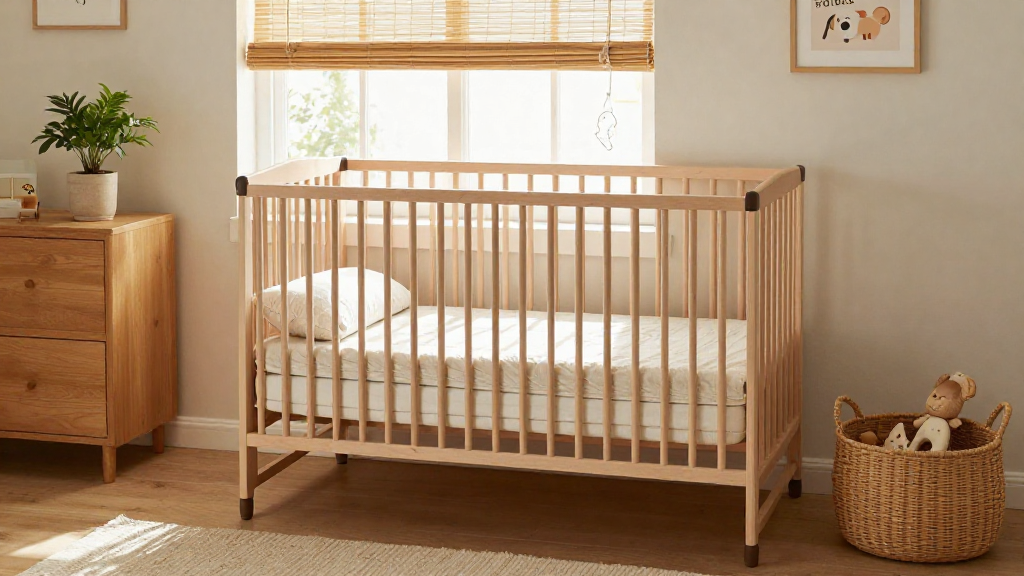
What Steps to Follow for an Eco Friendly Nursery?
Creating an eco-friendly nursery sets the foundation for an eco friendly baby routine.
Follow these steps to achieve a sustainable nursery environment:
-
Eco Friendly Paint:
– Use low-VOC (volatile organic compounds) paints to minimize indoor air pollution. -
Natural Flooring:
– Choose bamboo or cork flooring as eco-friendly alternatives to traditional carpets. -
Organic Bedding:
– Opt for organic mattresses and bedding made from natural materials.
– Use breathable fabrics that help regulate temperature. -
Natural Decor:
– Decorate with plants that purify the air, such as spider plants or snake plants.
– Select decor items made from natural or recycled materials.
How Can You Go Green with Baby Meals?
Feeding is an essential part of your baby’s routine, and you can make it eco-friendly as well. Here are some strategies:
-
Buy Organic Ingredients:
– Focus on organic fruits and vegetables to reduce pesticide exposure. -
Practice Meal Prepping:
– Prepare and store homemade purees in bulk.
– Use glass containers to minimize the use of plastics. -
Eco-Friendly Storage Solutions:
– Use reusable silicone bags or glass jars for storing and freezing baby food.
How to Incorporate Green Cleaning Practices?
Maintaining a clean environment is also a part of an eco friendly baby routine. Here’s how to do so sustainably:
-
Use Natural Cleaning Products:
– Make your own cleaners using ingredients like vinegar, baking soda, and essential oils.
– Choose products labeled as biodegradable and non-toxic. -
Wash Baby Clothes Carefully:
– Use eco-friendly laundry detergents to reduce chemical exposure.
– Opt for cold-water washes to save energy. -
Ditch Disposable Wipes:
– Use reusable cloth wipes with a DIY solution that’s safe for your baby’s skin.
How to Educate Your Baby about the Environment?
An important part of an eco friendly baby routine is teaching your child about sustainability. Start early with these approaches:
-
Storytime with Eco-friendly Books:
– Read books that teach kids about nature and sustainability. -
Nature Walks:
– Spend time outdoors exploring parks or local nature reserves.
– Teach your child the value of nature and conservation. -
Involve Them in Gardening:
– Create a small garden or use pots for planting flowers or vegetables.
– Explain the growing process to instill a sense of responsibility towards the planet.
What Are the Benefits of an Eco Friendly Baby Routine?
Adopting an eco friendly baby routine is not just beneficial for the environment; it can also positively impact your child’s development:
- Health and Safety: Reducing exposure to chemicals and toxins ensures healthier living conditions for your baby.
- Sustainability: Teaching your child early about caring for the environment can inspire them to make eco-conscious choices as they grow older.
- Community Building: Engaging with other like-minded parents can help build a supportive community focused on sustainability.
Conclusion
Creating an eco friendly baby routine involves numerous small but significant changes that promote a healthier planet while providing care for your child.
By adopting sustainable practices in diapering, feeding, cleaning, and nursery setup, you not only ensure your baby gets the best care but also foster a world of awareness and respect for our environment.
Start small, stay consistent, and soon, these habits will become second nature, paving the way for a greener future for your baby and generations to come.