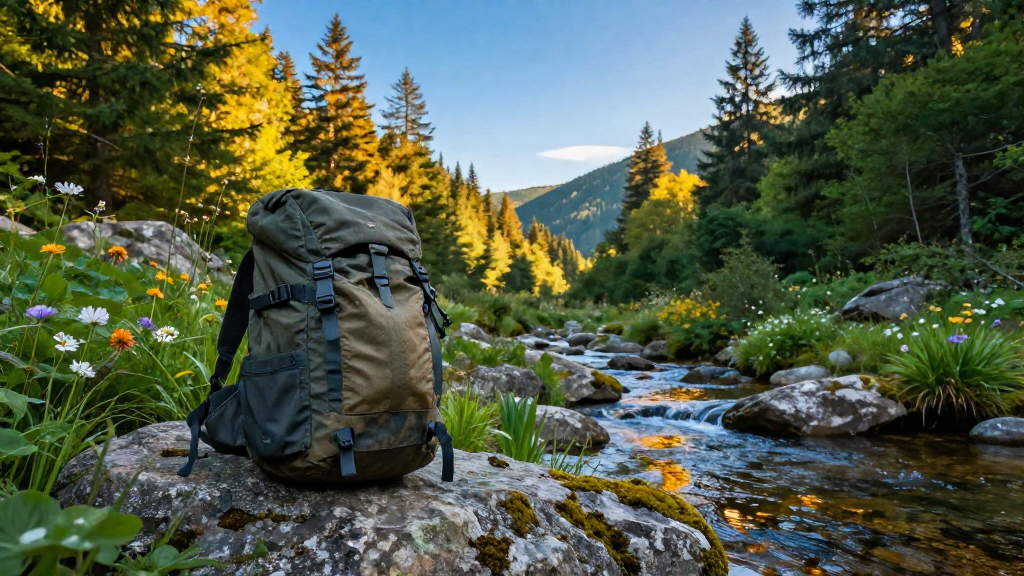
Are you ready to explore the great outdoors while minimizing your impact on the environment?
Eco friendly backpacking not only allows you to experience nature at its finest, but it also promotes sustainable practices that protect the planet.
In this guide, we’ll cover everything from choosing the right gear to planning an eco-conscious itinerary, so you can enjoy your adventure while treading lightly on the Earth.
What Should You Consider When Planning Eco Friendly Backpacking Trips?
Planning an eco friendly backpacking trip involves more than just choosing a beautiful destination. Here are the key factors to consider:
-
Destination Choices
– Select locations that prioritize conservation.
– Research parks and natural areas that support environmental initiatives.
– Choose less-traveled paths to minimize overcrowding and preserve natural habitats. -
Timing Matters
– Off-peak seasons help reduce stress on wildlife and ecosystems.
– Consider the weather; opt for seasons that ensure minimal impact on the environment. -
Permits and Regulations
– Always check for the necessary permits.
– Understand the rules and guidelines put in place to protect the environment. -
Transportation
– Opt for public transportation or carpooling to reduce your carbon footprint.
– If possible, consider biking to your starting point.
What Gear Is Essential for Eco Friendly Backpacking?
When packing for eco friendly backpacking, make sure your gear aligns with sustainable practices. Here are some essentials:
- Sustainable Backpack
- Look for brands using recycled materials.
-
Choose a design that provides durability to lessen the need for replacements.
-
Tent and Sleeping Gear
- Invest in a lightweight, eco-friendly tent made from sustainable fabrics.
-
Opt for sleeping bags that are ethically sourced and durable.
-
Cooking Supplies
- Use a compact, fuel-efficient stove to minimize wood consumption.
-
Consider biodegradable soap and reusable utensils.
-
Clothing
- Select clothing made from natural materials like organic cotton or merino wool.
- Aim for moisture-wicking and quick-drying fabrics that are eco-friendly.
How Can You Minimize Waste While Backpacking?
Reducing waste during your journey is a fundamental aspect of eco friendly backpacking. Here’s how you can achieve that:
- Pack Smart
- Bring reusable containers for food and snacks.
-
Avoid single-use plastics—the goal is to leave no trace.
-
Leave No Trace Principles
- Learn and practice the Leave No Trace principles.
-
Ensure you pack out all trash, leftover food, and any items you brought with you.
-
Human Waste Disposal
- Always follow guidelines for disposing of human waste.
- Carry a trowel to dig a proper hole if needed, or use portable toilets in designated areas.
How Do You Choose Eco-Friendly Campsites?
Finding the right campsite is crucial for eco friendly backpacking. Follow these tips:
- Set Up Camp in Designated Areas
- Always camp at established sites to preserve vegetation and wildlife habitats.
-
Observe any restrictions on site selection; avoid camping too close to water sources.
-
Stay On Trails
- Traveling only on marked trails helps protect fragile ecosystems.
- Limit your impact by avoiding shortcuts or creating new paths in pristine areas.
What Food Choices Support Eco Friendly Backpacking?
Your meal choices can also play a role in being an eco-friendly backpacker. Consider these factors:
- Sustainable Food Options
- Choose local and organic products where possible.
-
Opt for dehydrated meals with minimal packaging for lightweight options.
-
Plant-Based Meals
- Incorporate more plant-based foods into your diet.
-
Consider nuts, dried fruits, and grains as great energy sources while minimizing environmental effects.
-
Waste Management
- Plan meals to prevent excess waste.
- Consider using a bear canister if you’re in bear country to avoid wildlife encounters.
How Can You Stay Connected With Nature While Being Eco-Friendly?
While backpacking, immersing yourself in nature is vital. Here’s how to connect while remaining eco-conscious:
- Mindful Observation
- Take the time to appreciate your surroundings.
-
Engage your senses—listen to birds, observe plant life, and appreciate natural beauty without disrupting it.
-
Photography Without Disturbance
- Capture beautiful moments without using flash or disrupting wildlife.
-
Practice ethical photography by giving animals space and avoiding their natural behaviors.
-
Educating Yourself
- Learn about the local ecosystem, flora, and fauna to enhance your connection with the environment.
- Join guided eco-tours or workshops if available.
What Are Some Best Practices to Follow After Your Trip?
Your commitment to eco friendly backpacking doesn’t end when the trip does. Implement these practices as you return home:
- Reflect and Document
- Capture your experiences and insights to encourage others to adopt eco-friendly practices.
-
Sharing your journey can raise awareness about environmental conservation.
-
Support Local Conservation Efforts
- Donate to or volunteer for local initiatives that protect the areas you visited.
-
Advocate for sustainable practices in your own community.
-
Promote Ecotourism
- Encourage friends and family to embrace sustainable travel methods.
- Share eco-friendly travel tips on social media or through travel blogs.
Conclusion
Eco friendly backpacking is not just a trend; it’s a lifestyle choice that harmonizes adventure with environmental responsibility.
By carefully planning your trip, selecting sustainable gear, minimizing waste, and respecting the environment, you contribute to the preservation of the beautiful landscapes you explore.
The next time you hit the trails, remember that every small practice counts.
Together, we can enjoy nature while protecting it for generations to come. Happy eco-friendly trekking!