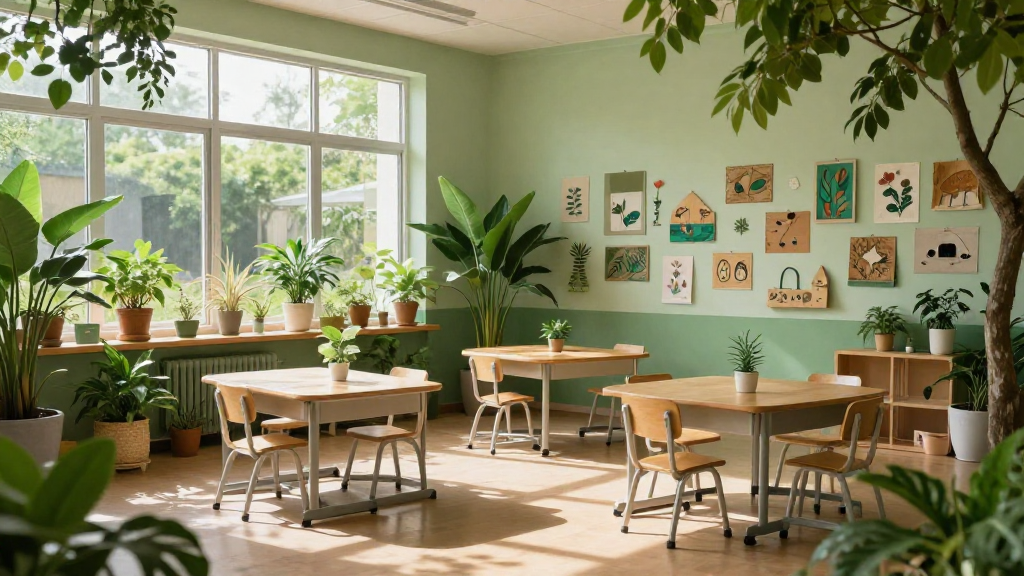
Creating an eco friendly classroom is essential in promoting sustainability and environmental consciousness among students.
This guide will provide you with effective strategies to transform your learning environment into a greener space.
What Does an Eco Friendly Classroom Look Like?
An eco friendly classroom focuses on sustainability by using resources wisely and minimizing waste.
Here are some characteristics of an eco-friendly environment:
- Natural Lighting: Utilize windows and skylights to reduce reliance on artificial light.
- Sustainable Materials: Incorporate furniture created from recycled or sustainably sourced materials.
- Indoor Plants: Introduce greenery that can improve air quality and provide a calming atmosphere.
- Waste Reduction Programs: Establish systems for recycling and composting to reduce landfill waste.
An eco-friendly classroom not only benefits the planet but also enhances learning by creating a healthier and more inspiring space.
How Can You Utilize Resources Efficiently?
To create an eco friendly classroom, it’s crucial to maximize the use of available resources. Consider these strategies:
-
Digital Resources
– Embrace technology by utilizing online educational tools and digital textbooks.
– Reduce paper usage by transitioning assignments and communication to digital platforms. -
** Energy-Efficient Equipment**
– Opt for energy-efficient devices, such as LED light bulbs and Energy Star-rated appliances.
– Encourage students to turn off computers and lights when not in use. -
Smart Purchasing
– Choose eco-friendly supplies, such as recycled paper and non-toxic materials.
– Prioritize bulk purchases to minimize packaging waste. -
Eco-Friendly Furniture and Décor
– Select furniture that is durable and made from sustainable materials.
– Use natural, low-VOC paints and finishes to enhance the classroom environment.
By utilizing resources efficiently, you contribute to a sustainable culture that students can internalize and replicate in their lives outside of school.
What Role Does the Curriculum Play in Sustainability?
Integrating sustainability into your curriculum is critical in fostering an eco friendly classroom. Consider the following approaches:
- Thematic Lessons: Incorporate environmental topics across subjects (e.g., science, literature, art).
- Project-Based Learning: Engage students in projects that address local environmental issues.
- Field Trips: Organize visits to local eco-friendly businesses, recycling centers, or nature reserves.
- Guest Speakers: Invite environmental activists or scientists to share their experiences and knowledge.
When you weave sustainable practices into the curriculum, you emphasize the importance of environmental stewardship to students.
How to Encourage Student Participation?
Creating an eco friendly classroom requires the active participation of students. Here are some effective strategies:
-
Establish Eco Clubs
– Form clubs that focus on environmental initiatives, giving students a sense of ownership over their eco efforts. -
Engage in Service Projects
– Organize community service projects that target local environmental concerns, such as community clean-ups or tree planting. -
Create Eco-Friendly Challenges
– Host competitions, such as a recycling contest, to motivate students to adopt environmentally friendly habits. -
Incorporate Eco Education into Daily Routines
– Set aside time during class for discussions on sustainability or environmentally friendly habits.
Participation is essential in building a sense of community, making sustainability a shared goal that all students can actively pursue.
What Are Some Practical Tips for Daily Eco Practices?
Integrating eco-friendly practices into daily classroom routines is straightforward. Here’s how you can cultivate habits for an eco friendly classroom:
- Reduce Single-Use Items
- Encourage the use of reusable bottles and lunch containers.
-
Avoid single-use plastics, opting instead for materials that can be recycled or composted.
-
Implement Waste Sorting Stations
- Set up bins for recycling, compost, and trash in accessible areas.
-
Teach students how to sort their waste correctly.
-
Promote Eco-Friendly Transportation
- Support walking or cycling to school through educational initiatives.
-
Organize carpool programs for eco-conscious commuting.
-
Celebrate Eco Events
- Participate in Earth Day or Arbor Day festivities to promote awareness.
- Create eco-themed days throughout the year, focusing on different sustainability topics.
These practices contribute to a culture of sustainability within the classroom, encouraging students to remain environmentally conscious.
How Do You Involve Parents and the Community?
Creating an eco friendly classroom also involves expanding the initiative beyond school walls. Engaging parents and community members can enhance awareness and participation.
- Informational Newsletters
-
Share tips and success stories in monthly newsletters to inspire family involvement.
-
Host Workshops
-
Organize events to educate parents on sustainable practices they can implement at home.
-
Collaborate with Local Organizations
-
Partner with environmental organizations to promote joint initiatives, such as clean-up days and educational programs.
-
Encourage Home Projects
- Suggest family projects that promote sustainability, such as starting a garden or implementing recycling practices at home.
In involving parents and the community, you create a broader impact that resonates with students, making eco-friendly habits a collective effort.
What Are the Benefits of an Eco Friendly Classroom?
The benefits of creating and maintaining an eco friendly classroom extend beyond environmental sustainability. Here are the positive impacts you can expect:
- Improved Student Health: Green classrooms can enhance air quality and overall well-being.
- Enhanced Academic Performance: Studies show that exposure to natural elements can increase focus and productivity.
- Stronger Community Values: Fostering an eco-friendly mindset can lead to a more conscious and responsible community.
- Cost Savings: Implementing energy-saving measures can significantly reduce utility expenses.
By focusing on creating an eco-friendly classroom, you not only enrich the educational experience for students but also foster a commitment to environmental responsibility.
Conclusion: Why Should You Create an Eco Friendly Classroom?
Creating an eco friendly classroom is a vital step toward building a sustainable future.
It instills values of environmental stewardship in students while promoting a healthier learning environment.
With commitment, creativity, and community involvement, you can transform your classroom into a beacon of sustainability.
By doing so, you empower the next generation to take action for the planet, ensuring that they understand the importance of protecting our environment for years to come.