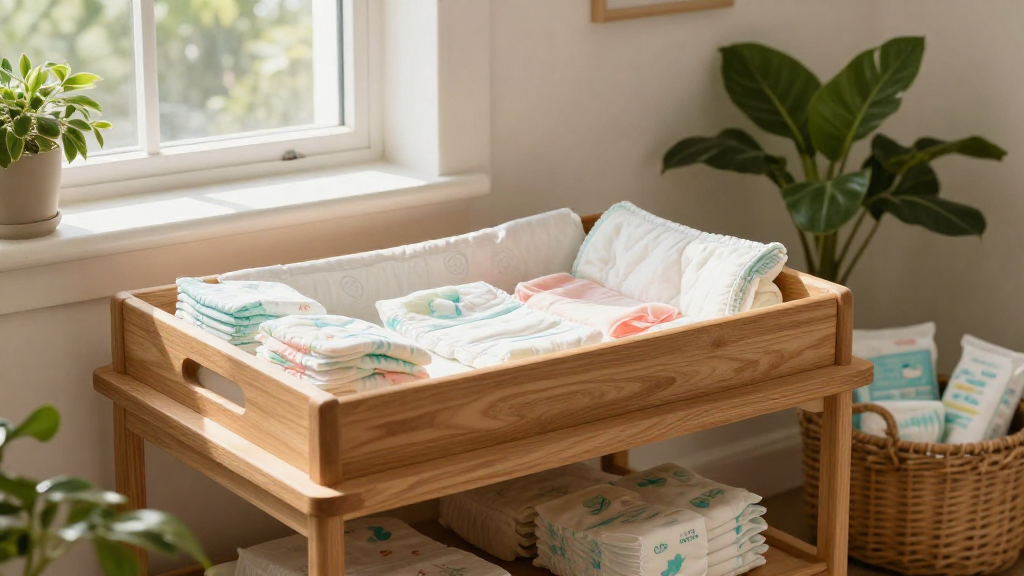
In today’s world, many parents are seeking eco-friendly diapering products that minimize their environmental impact while providing comfort for their little ones. This article explores sustainable alternatives, their benefits, and how you can embrace a more environmentally conscious approach to diapering.
Why Choose Eco-Friendly Diapering?
The decision to opt for eco-friendly diapering is not just about personal preference; it’s about making a positive impact on the environment.
Traditional disposable diapers can take hundreds of years to decompose in landfills.
This leads to a significant accumulation of waste.
Conversely, eco-friendly diapering options are designed to be more sustainable and to reduce ecological footprints.
What Are the Types of Eco-Friendly Diapering Options?
When considering eco-friendly diapering, there are primarily two types of options: reusable cloth diapers and biodegradable disposable diapers.
Let’s examine each type:
1. Reusable Cloth Diapers
Reusable cloth diapers are a popular choice among eco-conscious parents.
Key features include:
- Material Variety: Usually made from cotton, hemp, or bamboo, which are all sustainable materials.
- Cost-Efficiency: Though the initial investment may seem high, cloth diapers save money in the long run as they can be reused for multiple children.
- Customization: Cloth diapers can come in adjustable sizes and styles, including pockets, all-in-ones, and covers.
- Reduced Waste: Choosing cloth means diverting thousands of diapers from landfills.
Advantages of reusable cloth diapers:
- 🌿 Biodegradable materials
- 🌿 No fragrances or chemicals
- 🌿 Breathable and gentle on baby’s skin
2. Biodegradable Disposable Diapers
For parents who prefer the convenience of disposables, biodegradable diapers offer a compromise.
Characteristics of biodegradable diapers include:
- Environmentally Friendly Materials: Made with sustainable materials, such as plant-based fibers, which can compost more easily than traditional disposables.
- Reduced Chemicals: These diapers generally contain fewer harsh chemicals and fragrances, making them a better choice for sensitive skin.
- Convenience: Similar to regular disposable diapers but with the added benefit of being designed to break down more rapidly in landfills.
Benefits of biodegradable disposable diapers:
- 🌍 Less contribution to landfill waste
- 🌍 Often compostable under the right conditions
- 🌍 Convenient for travel and on-the-go situations
How Can You Make Eco-Friendly Diapering Easier?
Transitioning towards eco-friendly diapering can seem daunting, but with a little planning, it can be manageable.
Here are some tips to get you started:
1. Research the Best Brands
Look for companies committed to sustainability.
Some popular eco-friendly diapering brands include:
- BumGenius: Known for their high-quality cloth diapers.
- Earth’s Best: Offers biodegradable disposable options.
- Thirsties: Provides a range of eco-friendly cloth diapering products.
2. Create a Diapering Routine
Having a set routine can simplify the process.
- For cloth diapers:
- Set a washing schedule (usually every 2-3 days).
-
Use a dedicated wet bag for storing dirty diapers.
-
For biodegradable options:
- Keep a designated disposal site, preferably in a biodegradable bag.
3. Consider a Diaper Service
If washing cloth diapers seems overwhelming, many cities offer cloth diaper services. They provide clean diapers on a regular basis while taking away the used ones.
This is a convenient way to practice eco-friendly diapering without the hassle.
4. Educate Yourself on Environmental Impact
Understanding the impact of your choices can motivate you.
Research the environmental benefits of eco-friendly diapering and share them with your partner or caregivers to promote one unified approach.
What Accessories Can Help with Eco-Friendly Diapering?
Making the switch to eco-friendly diapering can also be complemented with the right accessories.
Some essential products include:
- Reusable Wipes: Made from soft fabrics, they are excellent for cleaning up messes while staying eco-friendly.
- Diaper Covers: They help protect cloth diapers and can be reused for long periods.
- Wet Bags: Perfect for storing dirty cloth diapers when you are out and about, keeping odors contained.
- Biodegradable Liners: These can be placed in cloth diapers to make cleanup easier while still being compostable.
Where Can You Find Eco-Friendly Diapering Products?
Finding eco-friendly diaper products has never been easier.
- Online Retailers: Websites like Amazon, Diapers.com, or specialty eco-friendly stores often have a wide selection of options.
- Local Health Food Stores: Many of these stores have a dedicated section for eco-conscious parenting products.
- Baby Boutiques: Look for local boutiques that specialize in organic or sustainable baby supplies.
What Are the Costs of Eco-Friendly Diapering?
One of the biggest questions many parents have about eco-friendly diapering is the cost.
While prices can vary:
- Cloth diapers can range from $20 to $35 each, with initial costs potentially reaching $300-$600 if buying a complete stash.
- Biodegradable disposables typically run parallel to traditional disposable prices but can be slightly higher depending on the brand.
However, the long-term savings and environmental benefits often outweigh the initial investment.
Conclusion: Is Eco-Friendly Diapering Right for Your Family?
Ultimately, the choice to adopt eco-friendly diapering practices is personal and dependent on your family’s lifestyle. By considering the various options and resources available, you can find a suitable solution that aligns with your environmental values while ensuring your baby is cared for comfortably.
Switching to eco-friendly diapering not only benefits your child but also contributes positively to the planet.
As a parent, your choices shape the environment your child will grow up in, making this an important decision.
So, will you take the sustainable route in your diapering journey?
Every small step can lead to a significant impact!