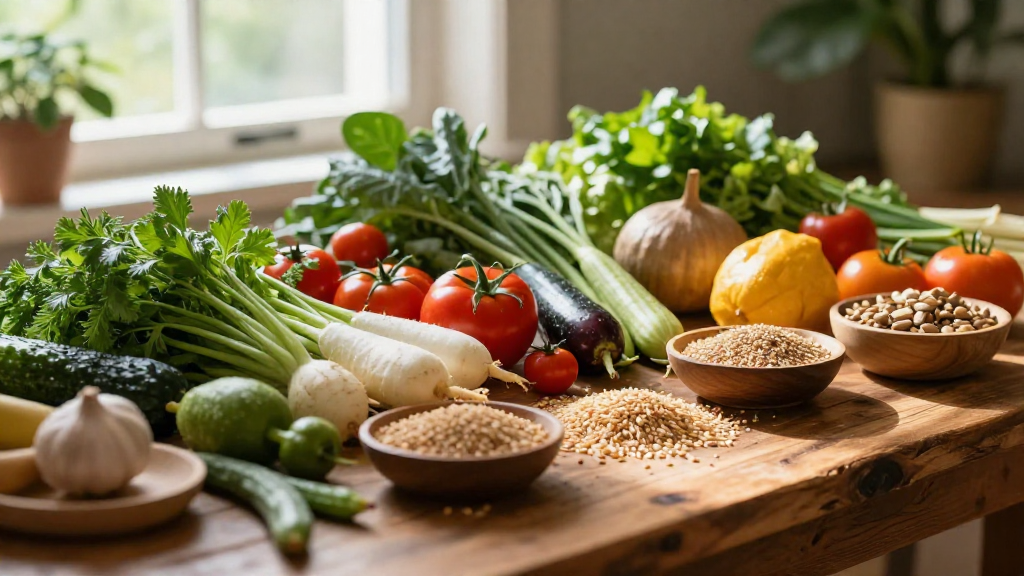
Are you considering an eco friendly diet to contribute to a healthier planet?
Switching to an eco friendly diet not only promotes personal health but also supports sustainable farming and reduces your carbon footprint.
What is an Eco Friendly Diet?
An eco friendly diet focuses on consuming foods that are environmentally sustainable.
This dietary approach emphasizes:
- Local and seasonal produce
- Organic farming
- Plant-based foods
- Reduce food waste
By incorporating these principles, an eco friendly diet contributes to environmental conservation while providing nutritious meals.
Why Should You Adopt an Eco Friendly Diet?
Transitioning to an eco friendly diet offers multiple benefits:
– Health Benefits: Improved overall health, reduced risk of chronic diseases, and better weight management.
– Environmental Impact: Decreased greenhouse gas emissions and less pollution from agricultural practices.
– Support for Local Economies: By purchasing from local farmers, you support the community and reduce the carbon footprint associated with long-distance food transportation.
How Can You Get Started with an Eco Friendly Diet?
Starting your journey towards an eco friendly diet can be simpler than you think.
Here are some practical steps to guide you:
-
Educate Yourself
– Learn about sustainable farming practices and the environmental impact of various foods.
– Familiarize yourself with seasonal produce in your area. -
Shop Locally
– Visit farmers’ markets and local co-ops to find fresh, locally sourced food.
– Consider Community Supported Agriculture (CSA) memberships where you receive seasonal produce directly from local farms. -
Choose Organic
– Opt for organic fruits, vegetables, and grains.
– Organic farming practices tend to be less harmful to the environment. -
Incorporate Plant-Based Meals
– Reduce meat and dairy intake, focusing more on legume-based dishes, whole grains, fruits, and vegetables.
– A plant-forward lifestyle requires fewer resources and produces fewer emissions. -
Minimize Processed Foods
– Limit your consumption of heavily processed and packaged foods.
– These often contain artificial ingredients and are typically less sustainable. -
Prioritize Food Waste Reduction
– Plan your meals to minimize excess leftovers.
– Use leftovers creatively in new dishes. -
Hydrate Sustainably
– Choose tap water or filtered water over bottled varieties.
– Consider a reusable water bottle to cut down on single-use plastics.
What Foods Are Essential for an Eco Friendly Diet?
An eco friendly diet should include a variety of colorful, whole foods.
Here are some staples to incorporate:
- Fruits and Vegetables (especially those grown locally and seasonally)
- Whole Grains (like quinoa, brown rice, and oats)
- Legumes (such as lentils, chickpeas, and beans)
- Healthy Fats (like avocado and nuts)
- Organic or Pasture-Raised Proteins (if you consume animal products)
How Can You Make Your Cooking More Eco Friendly?
Your cooking practices can also contribute to your eco friendly diet.
Here are some tips to make your kitchen more sustainable:
- Use Energy Efficient Appliances
-
Invest in appliances that consume less electricity and water.
-
Plan Your Meals
- Meal planning helps reduce grocery waste.
-
Use a shopping list to avoid impulse purchases.
-
Optimize Cooking Techniques
- Use pots and pans that require less water or sauces.
- Cooking in bulk can save energy.
How Does an Eco Friendly Diet Impact Biodiversity?
An eco friendly diet significantly contributes to biodiversity conservation.
By choosing sustainably sourced ingredients, you’re supporting:
- Crop Diversity: Encouraging local farms to grow a variety of produce, which can help prevent disease outbreaks and pests.
- Animal Welfare: Supporting humane practices that favor the health of ecosystems.
Participating in an eco friendly diet can be a step toward preserving the world’s biodiversity and natural resources.
Are There Challenges to an Eco Friendly Diet?
While transitioning to an eco friendly diet is beneficial, you might encounter some challenges, such as:
-
Availability
– Some areas lack access to local, organic, or sustainable food sources. -
Cost
– Organic and locally sourced foods can be more expensive.
– However, prioritizing seasonal harvests can often help reduce costs. -
Habits
– It might take time to adjust to new cooking methods and meal planning.
– Overcoming ingrained eating habits can be a gradual process.
How Can You Overcome These Challenges?
-
Research Your Local Market
– Identify local farms or co-ops that may offer better prices for organic produce. -
Join Eco-Friendly Groups and Communities
– Online forums, social media groups, or local organizations can provide support and resources. -
Be Patient and Consistent
– Change doesn’t happen overnight—allow yourself time to adjust your habits.
Conclusion: What’s Next on Your Eco Friendly Diet Journey?
Starting an eco friendly diet is more than just a dietary choice; it’s a lifestyle shift toward sustainability.
By making intentional food choices, reducing waste, and supporting local producers, you can contribute to a healthier planet and a healthier you.
With every meal, remember that small changes can create a significant impact.
Are you ready to take the first step in adopting an eco friendly diet?
The choice is yours, and it can make a world of difference.