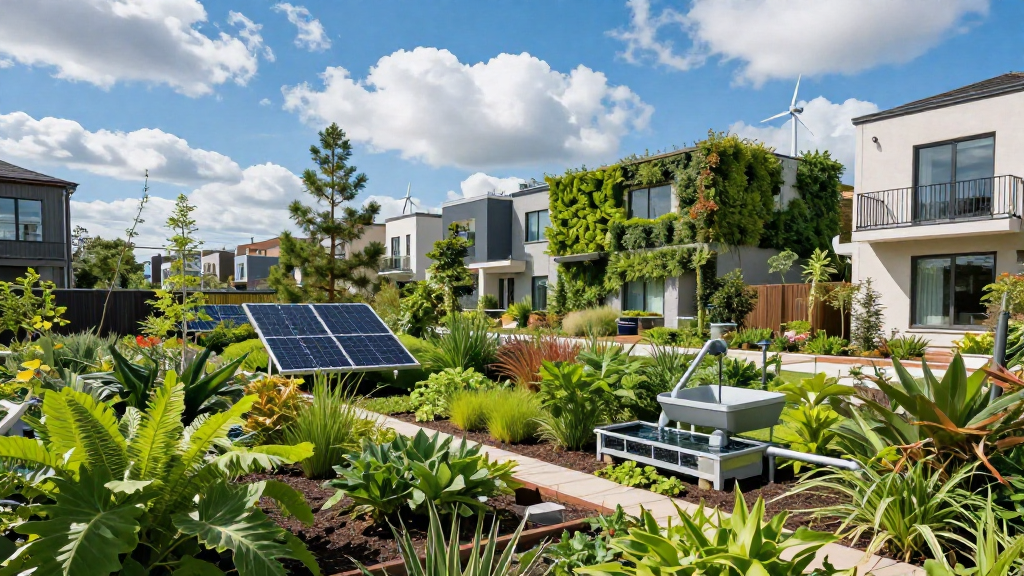
As we look towards the future, understanding eco friendly future trends can illuminate the paths we must take for a sustainable lifestyle.
What Are Eco Friendly Future Trends?
The growing consciousness surrounding eco friendly living has led to innovative changes in our lifestyle choices.
From renewable energy sources to sustainable materials, there’s a significant shift towards practices that benefit our environment.
Let’s explore some of the most impactful eco friendly future trends shaping our world today.
How Will Renewable Energy Shape Our Lives?
Renewable energy sources such as solar, wind, and hydropower are expected to see exponential growth in the coming years.
Here are some trends to watch for:
-
Deployment of Solar Panels: As technology advances, solar panels are becoming more efficient and accessible. By 2025, homes across the globe may be equipped with solar roofs as a standard feature.
-
Increased Wind Energy Production: Countries are investing heavily in offshore wind farms. The aim is to harness strong ocean breezes, which can generate significant power supply.
-
Community Power Models: Local communities are beginning to generate their energy through cooperatives, making renewable energy more equitable and accessible.
With these advances, renewable energy will no longer be a niche market but a cornerstone of daily life, leading to lower carbon footprints.
What Role Will Sustainable Materials Play?
The future of eco friendly living heavily relies on sustainable materials. This shift includes:
-
Biodegradable Products: Expect to see a rise in the availability of biodegradable packaging, which will alleviate plastic pollution. Many companies are already transitioning to materials that break down easily and quickly.
-
Recycled Materials: Products made from recycled materials are not only eco-friendly but often more affordable. This trend is likely to grow as businesses seek to reduce waste.
-
Plant-Based Materials: The use of alternatives such as mycelium (mushroom roots) and bamboo will expand in various industries, including fashion and construction, promoting a more sustainable way of living.
These sustainable materials are paving the way for a cleaner future by diminishing reliance on non-renewable resources.
Why is Urban Gardening Gaining Popularity?
Urban gardening is becoming one of the most exciting eco friendly future trends.
Here’s how it’s transforming cities:
-
Increased Local Food Production: Urban gardens allow city dwellers to grow their own fruits and vegetables. This reduces the carbon emissions associated with transporting food.
-
Biodiversity and Ecosystems: These gardens support local wildlife and promote biodiversity. By cultivating native plants, urban areas can become havens for various species.
-
Community Building: Gardening projects encourage community involvement and education. Local gardens can serve as environments for workshops and gatherings, fostering stronger community bonds.
Urban gardening is reshaping food systems and encouraging ecological mindfulness within city limits.
How Are Smart Homes Contributing to Eco Friendly Living?
The concept of smart homes is rapidly gaining traction, and it’s closely linked to eco friendly future trends.
How so?
-
Energy Efficiency: Smart home technologies allow for better energy management. Smart thermostats and lighting systems can optimize energy use, reducing bills and consumption.
-
Water Conservation: Advanced irrigation systems can monitor water usage in gardens, ensuring that plants receive adequate water without waste.
-
Home Automation: Devices can be programmed to operate at times when energy sources are abundant, further integrating renewable energy into daily routines.
As smart homes become more prevalent, they represent a significant step towards a more energy-conscious future.
What Innovations Are On the Horizon for Transportation?
Transportation plays a critical role in sustainable living.
Upcoming trends include:
-
Electric Vehicles (EVs): With major automakers committing to EV production, these cars will dominate the market by 2030, reducing our dependency on fossil fuels.
-
Shared Mobility Services: Ride-sharing and bike-sharing apps will expand, reducing the number of single-occupancy vehicles on the road, thus decreasing carbon emissions.
-
Public Transport Enhancement: Investment in efficient, eco-friendly public transportation systems is a priority for many cities, making it easier for people to choose public transport over private cars.
These transportation innovations are paving the way for cleaner air and less congestion in urban areas.
How Will the Circular Economy Change Consumer Habits?
The circular economy model is one of the key eco friendly future trends that aims to minimize waste.
Here’s how:
-
Emphasis on Recycling: Businesses will adopt practices that encourage product recycling after use, creating a cycle that minimizes environmental impact.
-
Repairable Products: Manufacturers are shifting towards design practices that make products easier to repair. This reduces waste and extends product lifespans.
-
Sustainable Consumption: Consumers will become more discerning, choosing brands and products that prioritize sustainability. This trend encourages companies to maintain ethical practices.
Embracing a circular economy will fundamentally alter how we view consumption and waste.
What Innovations Are Emerging in Fashion?
The fashion industry is notorious for its environmental footprint, but it is slowly shifting towards more sustainable practices.
Key trends include:
-
Eco-Friendly Fabrics: The adoption of organic cotton, Tencel, and recycled materials can drastically reduce the negative impact of clothing on the planet.
-
Rental and Second-Hand Markets: Renting clothes and shopping second-hand is becoming trendy, allowing consumers to enjoy fashion without contributing heavily to waste.
-
Biodesign: Designers are experimenting with living materials and sustainable production methods, merging technology and ecology.
These innovations are revolutionizing the fashion industry, promoting eco friendly living and sustainability.
How Can Individuals Make a Difference?
While large-scale trends are essential, individual actions also play a crucial role in promoting eco friendly future trends.
Consider these actionable steps:
-
Reduce, Reuse, Recycle: Make conscious decisions to reduce waste by reusing items and recycling materials whenever possible.
-
Educate Yourself and Others: Understanding the importance of sustainability and sharing that knowledge can inspire others to adopt eco-friendly practices.
-
Support Eco-Conscious Brands: Choose to buy from companies that prioritize sustainability and ethical practices in their operations.
Every effort counts in the journey towards a sustainable future.
Conclusion: Why Should We Embrace Eco Friendly Future Trends?
In summary, eco friendly future trends are reshaping our world in ways that can lead to a more sustainable and harmonious existence.
From renewable energy and sustainable materials to urban gardening and smart homes, every trend encourages better choices that limit our impact on the environment.
As individuals and communities, we have the power to embrace these trends.
Doing so not only benefits the planet but ensures a healthier, more vibrant future for generations to come.
Let’s take these steps together toward a bright, eco-conscious future!