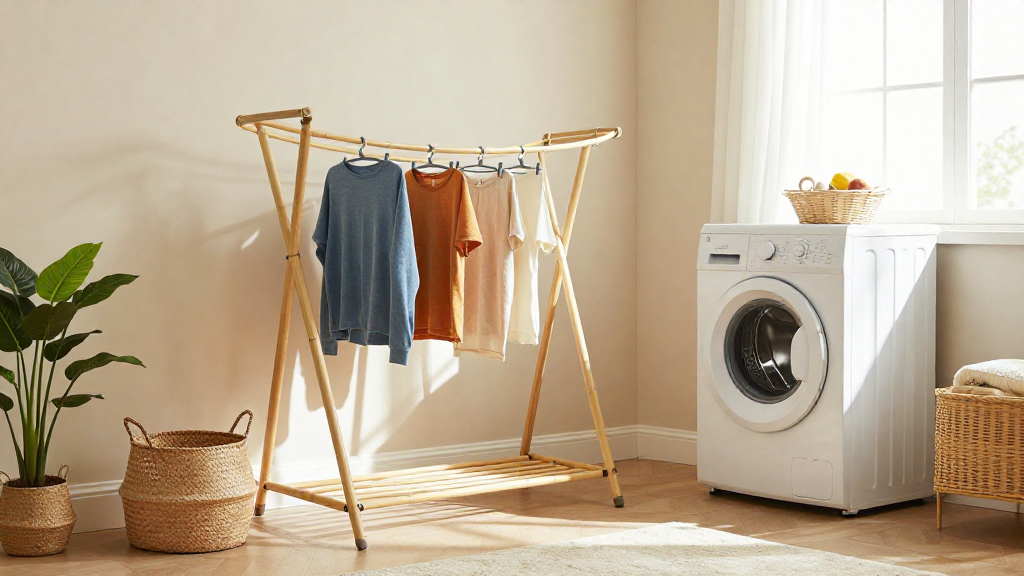
In an age where sustainability is paramount, adopting eco friendly laundry habits can significantly reduce your environmental footprint.
Why Are Eco Friendly Laundry Habits Important?
Eco friendly laundry habits promote sustainability by:
- Reducing water and energy consumption
- Lowering greenhouse gas emissions
- Minimizing chemical pollutants in our water sources
By making a few simple changes to your laundry routine, you can contribute to a healthier planet while still maintaining fresh and clean clothes.
How Can I Reduce Water Usage?
Water is a precious resource, and every drop counts. Here are some effective strategies to reduce water usage in your laundry routine:
-
Wash Full Loads Only:
Always wait until you have a full load before doing laundry. This maximizes the efficiency of both water and energy used. -
Adjust Water Levels:
If you can’t wait for a full load, adjust the machine’s water level settings according to the size of your load. -
Choose Shorter Cycles:
For lightly soiled clothes, consider using shorter wash cycles. This not only conserves water, but it also saves energy. -
Use a High-Efficiency Washer:
Opt for high-efficiency washing machines that use less water and energy compared to traditional models.
What Temperature Should I Wash Clothes At?
Washing clothes in cold water can be exceptionally beneficial for both your wallet and the environment. Here’s why:
-
Energy Savings:
Heating water accounts for a significant portion of energy used in laundry. Washing in cold water can reduce energy consumption by up to 90%. -
Preserves Fabric Quality:
Cold water is gentler on your fabrics, preventing color fading and wear-and-tear. -
Effective Cleaning:
Modern detergents are designed to work effectively even in cold water, ensuring your clothes come out clean without the need for high temperatures.
Which Detergent Should I Use?
Choosing the right detergent is crucial for sustaining your eco friendly laundry habits. Here are some points to consider:
-
Natural, Biodegradable Detergents:
Look for detergents made from natural ingredients that break down easily in the environment. -
Concentrated Forms:
Concentrated detergents require less product per load, reducing waste and packaging. -
Avoiding Phosphates:
Phosphates can harm aquatic ecosystems. Select phosphate-free detergents to protect water quality. -
Value Eco Certifications:
Certifications from organizations like the EPA’s Safer Choice program ensure that products are environmentally friendly.
How Can I Reduce Drying Time?
Efficient drying methods are essential in maintaining eco friendly laundry habits. Here are some tips to save energy during the drying process:
-
Use the Spin Cycle Effectively:
Ensure your washing machine’s spin cycle is set to high. A good spin can remove excess moisture, shortening drying time. -
Consider Air Drying:
Whenever possible, air dry your laundry. Hanging clothes outside or indoors can save energy and extend the life of your fabrics. -
Invest in a Drying Rack:
A folding drying rack is a practical solution for smaller spaces, perfect for air-drying delicates. -
Use Dryer Balls:
Eco-friendly dryer balls can help reduce drying time by improving airflow within the dryer, allowing clothes to dry faster.
How Do I Properly Maintain My Washer and Dryer?
Regular maintenance can improve the efficiency of your appliances and prolong their lifespan, hence supporting your eco friendly laundry habits:
-
Clean Filters Regularly:
Ensure lint filters in dryers are cleared after each use. This will enhance performance and reduce fire hazards. -
Keep Washing Machines Clean:
Run a maintenance wash with hot water and vinegar once a month to remove detergent buildup and keep your machine running smoothly. -
Check for Leaks:
Regularly inspect hoses for leaks or wear. This can prevent water waste and reduce the chance of damage to your home. -
Position Appliances Wisely:
Make sure your washer and dryer are leveled and positioned away from moisture, which can affect their performance.
Can Eco Friendly Laundry Habits Apply to Fabric Care?
Your fabric choices can also affect the environment. Here are some eco friendly laundry habits relating specifically to fabric care:
-
Choose Sustainable Fabrics:
Fabrics like organic cotton, bamboo, and hemp are not only biodegradable but also require less energy and water to produce. -
Wash Less Frequently:
Some fabrics don’t need to be washed after every wear. Consider airing out items like denim, which can often go longer between washes. -
Repair Instead of Replace:
Small rips or tears can be mended rather than tossening an entire garment. This approach not only saves money but reduces waste. -
Donate Unwanted Clothes:
Instead of discarding clothes that you no longer wear, consider donating them to a local charity or thrift store.
What Role Does Scheduling Play in Eco Laundry Habits?
Timing your laundry can make a difference in energy consumption:
-
Wash During Off-Peak Hours:
Energy rates are often lower during off-peak hours, usually at night or during the weekends. Schedule your laundry accordingly to save on electricity costs. -
Avoiding Heavy Usage Days:
Minimize laundry days when electricity demand is high in your area, which can lower the overall carbon footprint.
Final Thoughts: How Can I Start Practicing Eco Friendly Laundry Habits Today?
Adopting eco friendly laundry habits is a commitment that can benefit both you and the planet.
By making thoughtful choices in water usage, energy consumption, detergent selection, and fabric care, you can contribute significantly to environmental conservation.
Every small step counts, and embracing these habits can lead to a more sustainable future.
Start incorporating these practices into your laundry routine today and be a part of the solution. Let’s work together to create a cleaner, greener world—one laundry load at a time!