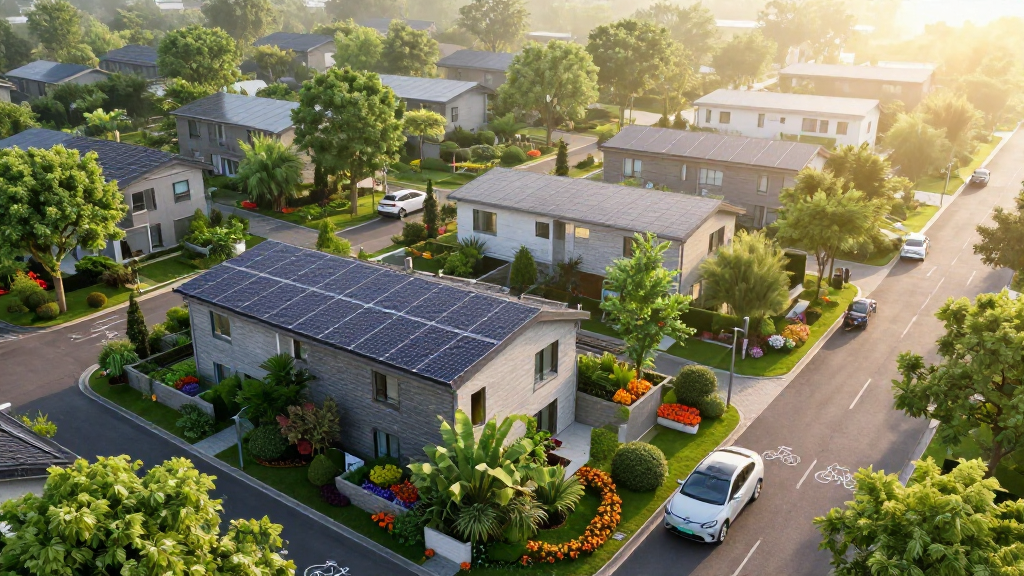
Creating an eco friendly neighborhood is not just about planting a few trees or reducing waste; it’s about fostering a community that prioritizes sustainability and environmental stewardship in multiple dimensions.
What Are the Key Features of an Eco Friendly Neighborhood?
An eco friendly neighborhood typically embodies a range of characteristics that positively impact the environment and enhance the quality of life for its residents. Key features include:
-
Sustainable Architecture and Design
Homes and buildings in an eco friendly neighborhood are designed with sustainability in mind. This includes:
– Use of renewable materials like bamboo or reclaimed wood.
– Energy-efficient appliances that reduce energy consumption.
– Incorporation of green roofs or solar panels to harness renewable energy. -
Green Spaces and Biodiversity
Parks and natural areas are pivotal in an eco friendly neighborhood. They serve as:
– Carbon sinks, absorbing CO2 and improving air quality.
– Spaces for biodiversity, supporting local flora and fauna.
– Areas for community gatherings and recreational activities that promote a healthy lifestyle. -
Efficient Waste Management
Proper waste management practices reduce landfill waste and lower environmental footprints. Features can include:
– Recycling programs that are easy and accessible for residents.
– Composting initiatives to turn organic waste into rich soil.
– Encouragement of zero waste practices through community workshops and education. -
Sustainable Transportation Options
An eco friendly neighborhood promotes alternative transportation methods, reducing reliance on fossil fuels. Options might include:
– Bicycle lanes and pedestrian pathways for a safer, more active community.
– Public transportation facilities that connect residents with surrounding areas.
– Car-sharing programs to minimize the number of vehicles on the road.
How Does Energy Efficiency Contribute to an Eco Friendly Neighborhood?
Energy efficiency is one of the cornerstones of an eco friendly neighborhood, and it encompasses several strategies to design homes and infrastructure that consume less energy. This can significantly reduce the overall carbon footprint. Here’s how:
-
Insulation and Windows: Proper insulation keeps homes warm in winter and cool in summer, minimizing the need for heating and cooling systems. Double-glazed windows also help in maintaining indoor temperatures.
-
Renewable Energy Sources: Integration of solar panels and wind turbines allows homes to generate their own energy. Community solar projects can also make renewable energy more accessible for residents.
-
Smart Technology: Utilizing smart technology, like programmable thermostats and energy-efficient lighting, can optimize energy use, identifying when power can be saved without sacrificing comfort.
Why is Community Engagement Essential in an Eco Friendly Neighborhood?
Community engagement plays a critical role in developing and sustaining an eco friendly neighborhood. Here’s why it’s essential:
-
Shared Responsibility: When community members are actively engaged, they share the responsibility of maintaining eco-friendly practices. This collective effort creates a stronger commitment to sustainability.
-
Knowledge Sharing: Workshops and events focusing on sustainable living practices, like gardening, composting, and energy-saving techniques, foster a culture of learning.
-
Purchase Local: Supporting local businesses reduces the carbon footprint associated with transport and helps stimulate the local economy. Neighborhood farmers’ markets can be a hub for such activities.
What Role Do Local Policies Play in Eco Friendly Neighborhoods?
Local policies and regulations heavily influence the development and sustainability of an eco friendly neighborhood. Key policy areas include:
-
Zoning Laws: Zoning regulations can promote mixed-use development, reducing the distance people need to travel for work or leisure.
-
Building Codes: Establishing strict energy efficiency standards and guidelines for sustainable construction can significantly enhance the sustainability of new developments.
-
Incentives for Green Practices: Tax breaks or subsidies for homeowners who implement energy-efficient improvements or use renewable resources can encourage eco-friendly choices.
How Can Residents Get Involved in Creating a More Eco Friendly Neighborhood?
Residents are the lifeblood of an eco friendly neighborhood, and their active participation is crucial. Here are effective ways to get involved:
-
Join Local Green Initiatives
Participate in projects or organizations focused on environmental issues. Engaging with like-minded individuals can amplify your impact. -
Adopt Sustainable Practices at Home
– Start home composting to reduce kitchen waste.
– Implement water-saving measures, like rainwater harvesting and efficient fixtures. -
Advocate for Sustainability
Encourage local leaders to prioritize eco-friendly policies and engage in community work like tree planting or park cleanups. -
Educate and Inspire Others
Share your knowledge about sustainable practices with your neighbors through workshops or informational meetups.
What Challenges Do Eco Friendly Neighborhoods Face?
Despite the benefits, creating and maintaining an eco friendly neighborhood comes with its own set of challenges:
-
Initial Costs: The upfront cost of eco-friendly materials and renovations can be a significant barrier for some residents or developers.
-
Cultural Resistance: Some communities may resist changes to traditional lifestyles or practices despite the long-term benefits of sustainability.
-
Limited Awareness: A lack of understanding about the importance of sustainable practices among residents can hinder progress.
What are the Future Trends in Eco Friendly Neighborhoods?
As awareness of environmental issues grows, so do the innovations in eco-friendly living. Future trends to watch for include:
-
Smart City Technologies: Utilization of data-driven technologies to optimize resources and enhance the livability of neighborhoods.
-
Permaculture Principles: Designing neighborhoods that work with nature, featuring regenerative agricultural practices and sustainable water management.
-
Community Resilience Initiatives: Building neighborhoods that can withstand climate impacts while fostering social solidarity through cooperative living.
In conclusion, creating an eco friendly neighborhood is a comprehensive endeavor that involves individual efforts, community engagement, and supportive policies.
The features, benefits, and challenges of these neighborhoods reflect a collective vision for a sustainable future. By prioritizing environmental stewardship, residents can ensure that their communities not only thrive today but are also equipped for future generations. Embrace the eco-friendly movement, and your neighborhood can become a beacon of sustainability in a rapidly changing world.