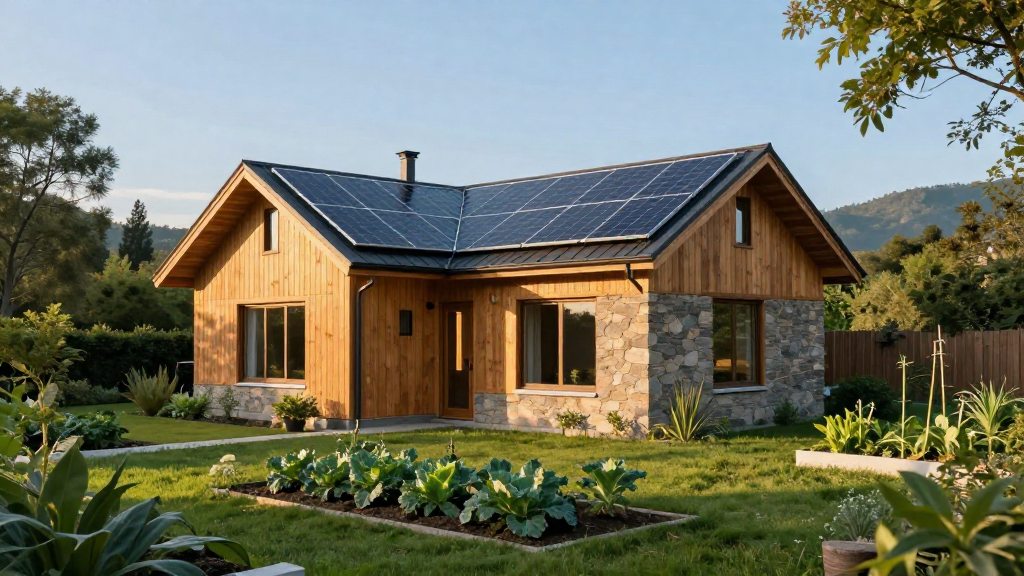
Eco friendly real estate is a rapidly growing segment in the property market that focuses on sustainability and environmentally conscious living.
As more people become aware of the impact that construction and homeownership have on the planet, the demand for eco friendly real estate is on the rise.
What Constitutes Eco Friendly Real Estate?
Eco friendly real estate refers to properties designed and constructed with sustainability in mind.
This concept encompasses a variety of features and practices that aim to reduce the overall environmental footprint. Here are some key components:
-
Sustainable Materials:
– Use of recycled or sustainably sourced materials.
– Avoidance of toxic substances, ensuring healthier indoor air quality. -
Energy Efficiency:
– Incorporation of energy-efficient appliances and systems.
– Use of passive solar design to maximize natural light and heat. -
Water Conservation:
– Installation of low-flow plumbing fixtures.
– Incorporation of rainwater harvesting systems for irrigation. -
Smart Technology:
– Integration of smart home systems that allow for better energy management.
– Utilization of solar panels and other renewable energy sources. -
Location:
– Proximity to public transportation to reduce reliance on cars.
– Development in urban areas to minimize land use and infrastructure impact.
Why Is Eco Friendly Real Estate Important?
The significance of eco friendly real estate extends beyond mere consumer interest.
It plays a crucial role in addressing environmental challenges we face today. Here are a few compelling reasons:
-
Climate Change Mitigation:
By reducing energy consumption and carbon emissions, eco friendly properties contribute to the fight against climate change. -
Healthier Living Environments:
Eco friendly homes typically have better air quality and use non-toxic materials, promoting healthier living conditions for occupants. -
Financial Incentives:
Many governments offer tax benefits or grants for eco friendly real estate projects, making it financially attractive for both buyers and developers. -
Increased Property Value:
Sustainable homes often attract higher resale values, as more homebuyers seek out eco friendly features.
Who Benefits from Eco Friendly Real Estate?
Eco friendly real estate benefits a diverse range of stakeholders, including:
-
Homebuyers:
They enjoy lower utility bills and are more likely to live in a healthier, more sustainable environment. -
Developers:
Companies that invest in eco friendly real estate may experience reduced costs over time through efficient building practices. -
Communities:
Sustainable real estate leads to improved public health outcomes and fosters community stability. -
The Planet:
By embracing eco friendly practices, we can reduce deforestation, conserve water, and create healthier ecosystems.
How Can You Identify Eco Friendly Properties?
If you’re in the market for eco friendly real estate, here are some tips on how to recognize sustainable properties:
-
Look for Green Certifications:
– LEED (Leadership in Energy and Environmental Design): A highly regarded certification that indicates a property meets rigorous sustainability standards.
– Energy Star: This label signifies that appliances and systems are energy efficient. -
Check for Eco Friendly Features:
– Solar panels and native landscaping are strong indicators of eco friendliness.
– Energy-efficient windows and appliances contribute to lower energy consumption. -
Research the Developer:
– Developers focused on sustainable practices typically showcase their mission and values.
– Check for affiliations with environmental organizations or certifications. -
Review Property Documents:
– Many eco friendly real estate projects publish their sustainability reports, detailing energy consumption, waste management, and resource usage.
What Role Does Government Play in Eco Friendly Real Estate?
Government initiatives and policies significantly impact the growth of eco friendly real estate.
They can promote sustainability through various means, including:
-
Incentives for Green Building:
Tax credits, rebates, and grants can encourage developers to pursue eco friendly designs. -
Building Codes:
Requirements for energy efficiency and sustainable practices reinforce eco friendly real estate goals. -
Public Awareness Campaigns:
Governments can educate the public and promote the benefits of sustainable living. -
Zoning Regulations:
Policies that favor high-density, mixed-use development can reduce the overall impact on land and resources.
What Are The Challenges of Eco Friendly Real Estate?
While the benefits of eco friendly real estate are numerous, challenges still exist that may hinder its widespread adoption. Some of these include:
-
Higher Initial Costs:
The upfront investment for sustainable materials and technologies often deters potential buyers and developers. -
Lack of Awareness:
Many consumers are still unfamiliar with the benefits of eco friendly real estate, making them less likely to pursue these options. -
Accessibility:
In some areas, eco friendly properties might be limited in availability, making it difficult for interested buyers to find suitable options. -
Construction Standards:
Not all local building codes endorse sustainable practices, creating hurdles in eco friendly project development.
How to Get Started with Eco Friendly Real Estate?
If you’re interested in taking the leap into eco friendly real estate, consider these steps:
-
Educate Yourself:
Learn about sustainability practices, energy efficiency, and the benefits of eco friendly living. -
Engage with Professionals:
Work with real estate agents who specialize in eco friendly properties or builders experienced in sustainable construction. -
Evaluate Your Needs:
Assess what eco friendly features matter most to you and your family, whether it be energy efficiency, proximity to nature, or smart home technology. -
Consider Long-Term Value:
Understand that while eco friendly properties may have a higher initial cost, they often provide significant savings and health benefits over time.
Conclusion
Eco friendly real estate represents more than a trendy market shift; it signifies a transformative approach to how we live with the planet.
As consumers seek out sustainable options, eco friendly real estate will only gain momentum, offering benefits for individuals, communities, and the environment alike.
Transitioning to a sustainable future may require effort and education, but the collective impact can lead to a healthier planet for generations to come.
In sum, selecting eco friendly real estate not only aligns with a sustainable lifestyle but also contributes positively to the environment and society.
As we look ahead, the importance of making conscientious choices will only become more pronounced, firmly placing eco friendly real estate at the forefront of the real estate evolution.