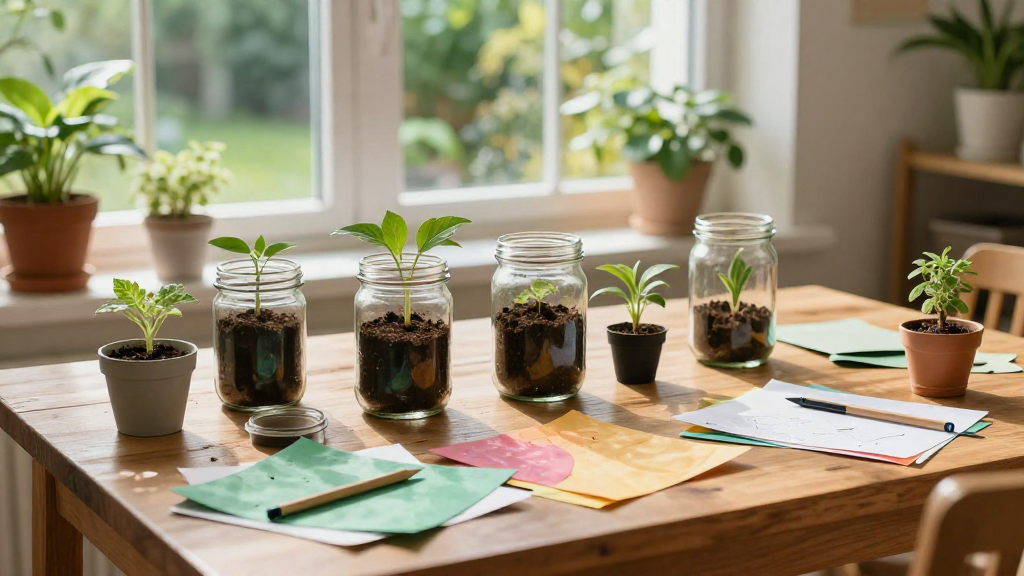
In a world increasingly focused on sustainability and environmental consciousness, students and hobbyists alike are seeking eco friendly science projects that are not only simple to execute but also impactful in raising awareness about ecological issues.
What Makes a Project Eco Friendly?
An eco friendly science project is one that promotes sustainability and shows the importance of recycling, conserving energy, or protecting the environment.
Here are some characteristics that categorize a project as eco friendly:
- Uses recyclable materials
- Enhances understanding of natural processes
- Encourages sustainable practices
- Minimizes waste and energy usage
Let’s dive into some enjoyable and educational projects that can spark interest in eco-friendly practices!
What Are Some Easy Eco Friendly Science Projects?
Here are several eco friendly science projects you can undertake using materials found around your home or in nature.
1. Build a Mini Compost Bin
What You Need:
- Brown and green organic matter
- A small container with a lid
- Shovel or trowel
How to Do It:
- In your small container, layer organic material such as leaves, fruit scraps, or grass clippings.
- Keep the bin in a sunny spot and rotate the compost every week.
- Observe how the materials decompose into nutrient-rich soil over time.
Why It’s Eco Friendly:
This project teaches about composting and waste reduction, demonstrating how organic materials can turn into valuable fertilizer instead of going to landfills.
2. Create a Solar Oven
What You Need:
- Cardboard box (pizza box works well)
- Aluminum foil
- Plastic wrap
- Black paper
- Marshmallows or chocolate
How to Do It:
- Line the inside of the box with black paper.
- Cover the opening with plastic wrap, using aluminum foil to reflect sunlight.
- Place food items inside and let the sun do the cooking!
Why It’s Eco Friendly:
This project showcases solar energy’s power, emphasizing alternative energy sources and reducing reliance on fossil fuels.
3. Water Filtration Experiment
What You Need:
- Plastic bottle
- Sand, gravel, and activated charcoal
- Dirty water
How to Do It:
- Cut the bottle in half and use it upside down.
- Layer the materials inside: gravel, sand, and charcoal.
- Pour dirty water through the filter and observe how it cleans the water.
Why It’s Eco Friendly:
This experiment highlights the importance of clean water filters and the impact of pollution on water sources, fostering appreciation for clean environments.
4. Plant a Tree or Garden
What You Need:
- Seeds or young plants
- Soil
- Water
How to Do It:
- Choose a location and prepare your soil.
- Plant your seeds or young plants according to their specific needs.
- Water regularly and monitor their growth.
Why It’s Eco Friendly:
Planting trees helps purify air, provides habitats for wildlife, and fosters appreciation for local ecosystems. A garden can also help promote local food systems, reducing carbon footprints from grocery shopping.
5. DIY Bioplastic
What You Need:
- Cornstarch
- Water
- Vinegar
- Glycerin
How to Do It:
- Mix cornstarch, water, vinegar, and glycerin in a pot.
- Heat over low heat until it thickens.
- Pour the mixture into molds and let it set.
Why It’s Eco Friendly:
This project encourages exploration of sustainable alternatives to traditional plastic, showcasing how everyday materials can lead to new biodegradable solutions.
How Do These Projects Help the Environment?
Getting involved in eco friendly science projects can significantly aid in understanding climate change and environmental protection.
1. Fosters Awareness
When children and adults engage in these projects, they become more aware of their ecological footprint and the importance of conservation.
2. Encourages Stewardship
By actively participating in eco-friendly initiatives, participants learn the value of taking care of the planet, inspiring them to advocate for a cleaner environment.
3. Promotes Creativity and Innovation
The hands-on aspect of these projects stimulates creativity, leading to innovative solutions to real-world environmental challenges.
Where Can I Find More Eco Friendly Science Projects?
If you’re interested in exploring additional eco friendly science projects, consider the following resources:
- Books on Environmental Science: Libraries and bookstores often have sections devoted to eco-friendly living.
- Online Platforms: Websites dedicated to education or sustainable living frequently offer project ideas.
- Community Workshops: Local environmental organizations often host workshops focused on sustainability, where participants can engage in various eco-friendly activities.
Conclusion: Why Choose Eco Friendly Science Projects?
Incorporating eco friendly science projects into learning and recreation not only provides educational benefits but also empowers individuals to take action toward a more sustainable future.
Through projects like composting, solar cooking, and water filtration, there’s a wealth of knowledge to be gained regarding environmental conservation, renewable resources, and sustainable living practices.
These activities foster a stronger connection to nature, influence decision-making regarding everyday behaviors, and inspire the knowledge that small actions can collectively lead to monumental changes in our world.
Ready to give these eco friendly science projects a try? Let the fun and educational journey toward sustainability begin!