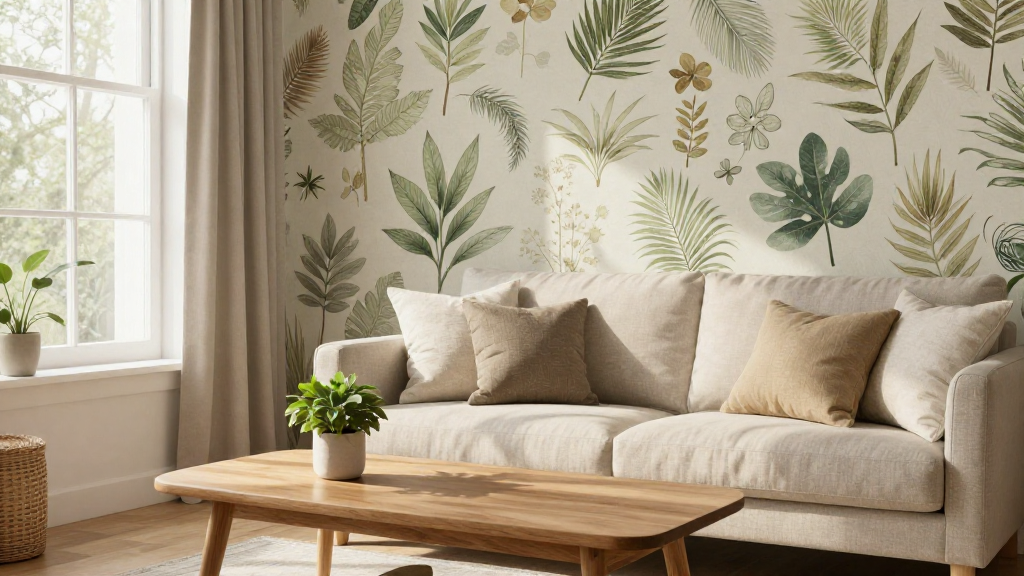
Choosing eco friendly wallpaper is an excellent way to enhance the beauty of your home while minimizing your environmental impact.
In this article, we will delve into essential eco friendly wallpaper tips to help you pick the most sustainable and stylish options for your space.
What Makes Wallpaper Eco Friendly?
When considering eco friendly wallpaper tips, it’s important to understand what qualifies as environmentally friendly.
Eco friendly wallpaper has several characteristics, such as:
- Sustainable materials: Look for papers made from organic cotton, linen, or recycled materials.
- Non-toxic inks and adhesives: This ensures that no harmful chemicals are released into your home.
- Biodegradable: Opt for wallpapers that decompose naturally and do not contribute to landfill waste.
- Low-VOC emissions: Choose products that emit low levels of volatile organic compounds for healthier indoor air quality.
By understanding these features, you can make a more informed choice when shopping for wallpaper.
How Can I Identify Sustainable Materials?
When browsing through wallpaper options, identifying sustainable materials is essential to following these eco friendly wallpaper tips.
Here are some materials to prioritize:
-
Natural fibers:
– Bamboo
– Hemp
– Linen -
Recycled content:
– Wallpaper that uses recycled paper or plastic reduces waste. -
FSC-certified products:
– The Forest Stewardship Council (FSC) certifies materials sourced from sustainably managed forests.
Additionally, remember to inquire about the source of the material.
Choosing papers that promote sustainability at the source, such as responsibly harvested wood pulp, can significantly enhance the ecological benefits of your wallpaper.
Are There Environmental-Friendly Inks Available?
Yes, another crucial element of your eco friendly wallpaper tips is the type of ink used in the printing process.
Here are some options to consider:
- Soy-based inks: Derived from soybeans, these inks are eco-friendly and are often biodegradable.
- Water-based inks: These inks have lower VOC levels and contribute to better air quality.
- Natural dyes: Look for options made from plant-based dyes to reduce the use of synthetic chemicals.
Ultimately, the choice of ink can impact both the manufacturing process and the wallpaper’s longevity, so paying attention to this detail is essential.
How Do I Assess the Environmental Impact of Wallpaper Production?
Understanding the production process is key in following eco friendly wallpaper tips. Here’s how to assess the environmental impact:
-
Research brand ethics:
– Find out if the manufacturer has sustainable practices.
– Check if they support fair labor practices and environmentally responsible production methods. -
Investigate the lifecycle:
– Consider how the wallpaper is produced and its journey from the source to your home. -
Look for certifications:
– Certifications like GreenGuard, EcoMark, and Blue Angel indicate that the product meets strict environmental standards.
By examining the brand’s commitment to sustainability and the wallpaper’s life cycle, you can make a more informed decision.
What Role Does Packaging Play in Eco Friendly Wallpaper?
While the wallpaper itself is important, don’t overlook the significance of packaging.
Choose brands that minimize:
- Plastic packaging: Opt for products wrapped in recyclable or biodegradable materials.
- Excessive packaging: Products with unnecessary layers contribute to waste.
By selecting wallpaper brands that prioritize eco-friendly packaging, you’ll help reduce unnecessary waste. This complements your overall mission of creating a sustainable living space.
How Can I Ensure the Wallpaper is Easy to Remove?
Another one of the effective eco friendly wallpaper tips focuses on the removal process.
Consider these points to ensure easy removal:
- Strippable wallpaper: This type can be removed without damaging the walls, reducing the need for more paint or repairs.
- Pre-pasted options: Pre-pasted wallpaper can make removal easier, as it often requires less adhesive during application.
Easy removal minimizes waste and helps you update your decor without hassle.
Should I Think About Color and Texture?
Absolutely! The aesthetic appeal is important.
When choosing eco friendly wallpaper, consider the following:
- Color: Lighter colors can help make a room feel larger and brighter, while darker tones add warmth.
- Texture: Textured wallpapers can create depth and visual interest to your walls, enhancing the overall design of your space.
Incorporate your personal style with these aesthetic considerations while adhering to eco-friendly principles.
Can I Paint Over Eco Friendly Wallpaper?
Yes! One of the great features of eco friendly wallpaper is its versatility.
Here’s how to approach painting:
-
Choose low-VOC paint: This keeps the indoor air quality healthy.
-
Prepare the wallpaper surface: Ensure that the wallpaper is smooth and properly adhered before painting.
-
Test a small area first: It helps you see how the wallpaper reacts to the paint and if it achieves the desired look.
Keep in mind that painting can extend the life of your wallpaper, reducing waste by refreshing your decor without total replacement.
Where Can I Find Eco Friendly Wallpaper?
Finding eco friendly wallpaper options is easier than ever!
Here are some great places to start your search:
- Local boutiques: Small home decor stores often carry sustainable brands.
- Online retailers: Websites specializing in eco-friendly home products frequently offer a wide selection.
- Big-box stores: Many major retailers have expanded their eco-friendly lines, making it simpler to find green options.
Make sure to do adequate research to ensure that the brands align with your values.
Conclusion: What Have We Learned?
In conclusion, selecting the right eco friendly wallpaper involves considering multiple factors.
From sustainable materials to the environmental impact of production, these eco friendly wallpaper tips guide you in making conscientious choices for your home.
By prioritizing:
- Sustainable materials
- Environmental practices
- Non-toxic inks and proper packaging
You can enhance your living space while positively impacting the environment.
Using these principles will not only help you beautify your home but also encourage a more sustainable lifestyle. Happy decorating!