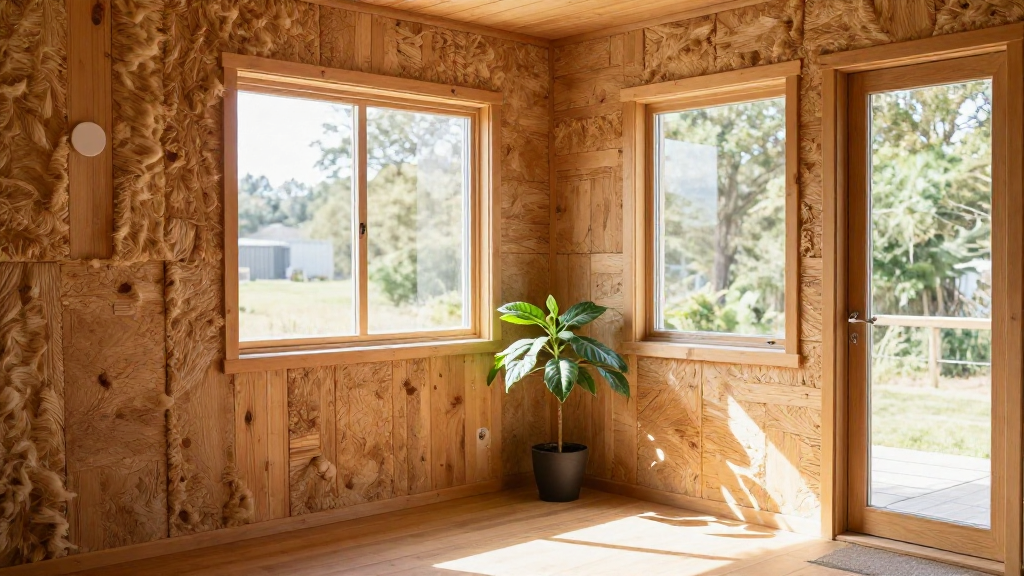
Eco home insulation is an essential aspect of modern sustainable living.
Incorporating eco-friendly insulation materials not only enhances energy efficiency but also minimizes your carbon footprint.
In this article, we will explore various strategies for utilizing eco home insulation effectively, ensuring both comfort and sustainability.
What is Eco Home Insulation?
Eco home insulation refers to the use of environmentally friendly materials and methods designed to improve a home’s thermal performance.
This type of insulation helps reduce energy consumption by keeping your home warmer in the winter and cooler in the summer.
Popular eco-friendly insulation materials include:
- Cellulose: Made from recycled paper products, cellulose is biodegradable and highly effective.
- Cotton: Also known as denim insulation, it is made from recycled cotton clothing and offers excellent sound absorption.
- Sheep wool: A natural insulator, sheep wool regulates humidity and is fire-resistant.
- Hemp: This sustainable crop creates insulation that is not only effective but also has antibacterial properties.
Using these materials not only helps the environment but also improves the indoor air quality of your home.
How Can You Improve Air Sealing?
One of the first steps in maximizing the performance of your eco home insulation is to ensure proper air sealing.
Air leaks can severely reduce thermal efficiency, leading to higher energy bills and discomfort.
To improve air sealing, consider the following:
-
Identify Leaks: Conduct a blower door test or use a smoke pencil to find drafts around windows, doors, and outlets.
-
Seal Gaps: Use caulk or weather-stripping to seal gaps and prevent air from leaking in or out.
-
Insulate the Attic: Ensure that your attic is properly insulated and ventilated to prevent heat loss and moisture buildup.
-
Consider Foam Board: Rigid foam board insulation can be applied around foundations, especially in basements and crawl spaces, to reduce energy loss.
Why is Proper Insulation Thickness Important?
The thickness of your eco home insulation plays a critical role in its effectiveness.
Insulation works by trapping air, and the more air it can hold, the better it performs.
Here are some guidelines on insulation thickness:
- R-Value: This measures insulation’s resistance to heat flow. The higher the R-value, the thicker the insulation.
- Climate Consideration: Different regions require different thickness levels. For example, colder climates may need thicker insulation than warmer areas.
- Material Types: Different eco home insulation materials have varying R-values per inch.
Always consult local building codes and climate guidelines to determine the appropriate thickness for your insulation.
Are There Specific Installation Techniques for Eco Home Insulation?
When installing eco home insulation, proper technique is crucial for optimal performance.
Here are some tips to ensure effective installation:
-
Follow Manufacturer Guidelines: Always read and follow the installation instructions provided by the manufacturers.
-
Avoid Compression: Do not compress insulation; it loses effectiveness if it is squished.
-
Ensure Complete Coverage: Be thorough when insulating, as gaps can lead to significant energy loss.
-
Use Intumescent Products: To enhance fire resistance, consider using intumescent coatings in conjunction with eco home insulation materials.
-
Hire Professionals: If you’re unsure about installation, hiring a skilled contractor with experience in eco home insulation can save time and ensure quality.
How Can You Optimize Your Heating and Cooling Systems?
Even with high-quality eco home insulation, the efficiency of your heating and cooling systems can impact overall performance.
Optimizing these systems ensures that the benefits of insulation are fully realized.
-
Regular Maintenance: Keep your HVAC systems well-maintained for optimal performance.
-
Upgrade to Energy-Efficient Systems: Consider installing energy-efficient heat pumps or furnaces that work harmoniously with your eco home insulation.
-
Smart Thermostats: Invest in smart thermostats that can learn your habits and optimize temperatures based on your schedule.
-
Zoning Systems: For larger homes, consider applying zoning systems to heat and cool specific areas as needed rather than the entire home.
-
Use Ceiling Fans: Ceiling fans can help distribute air evenly, making your heating and cooling systems work more efficiently.
What are the Benefits of Eco Home Insulation?
The advantages of eco home insulation extend beyond energy savings.
Here are some benefits to consider:
- Environmental Protection: Eco materials reduce waste and toxic emissions associated with traditional insulation.
- Improved Indoor Air Quality: Many eco-friendly insulation materials are non-toxic and regulate humidity, improving air quality.
- Noise Reduction: Materials like cotton and wool offer excellent sound dampening properties, creating a quieter home environment.
- Health Benefits: Using sustainable materials contributes to a healthier living environment, positively affecting your overall well-being.
How Can You Maintain Your Eco Home Insulation?
Maintenance is key to ensuring the longevity of your eco home insulation.
Here are a few tips for proper care:
-
Inspect Regularly: Check all insulation areas annually for signs of moisture, pests, or damage.
-
Address Problems Promptly: If you find any issues, address them immediately to avoid costly repairs in the future.
-
Keep It Dry: Moisture can lead to mold growth and a breakdown of insulation materials. Use vapor barriers where appropriate.
-
Update as Necessary: As insulation technology improves, consider upgrading older insulation materials.
-
Educate Yourself: Stay informed about new eco home insulation materials and practices for sustainable living.
Conclusion: Why Choose Eco Home Insulation?
Utilizing eco home insulation efficiently is an essential part of creating a sustainable living environment.
By implementing effective insulation techniques, optimizing your heating and cooling systems, and committing to maintenance, you can maximize the benefits of eco home insulation.
Investing in eco-friendly insulation materials not only supports energy efficiency but also protects the environment while providing a healthier, more comfortable home.
With the right approach, your home can be a paradigm of sustainability, comfort, and efficiency.