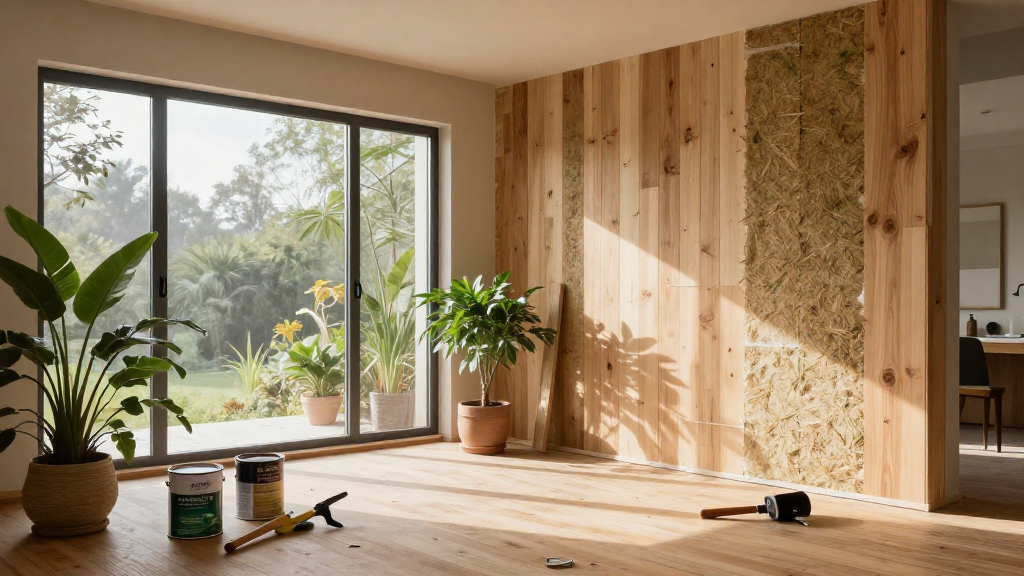
Are you considering an eco home renovation? An eco-friendly approach not only reduces your carbon footprint but also saves you money in the long run. In this article, we will discuss how to effectively plan your eco home renovation project.
What is an Eco Home Renovation?
An eco home renovation entails upgrading your house in a way that prioritizes sustainability and energy efficiency. The goal is to minimize environmental impact while enhancing comfort and functionality. Here are the main aspects to consider:
- Energy Efficiency: Upgrading insulation, windows, and appliances
- Sustainable Materials: Using recycled or natural materials
- Water Conservation: Implementing low-flow fixtures and rainwater harvesting
- Indoor Air Quality: Using non-toxic paints and finishes
Why Should You Opt for an Eco Home Renovation?
Choosing an eco home renovation comes with numerous benefits. Below are some compelling reasons to go green:
-
Cost Savings: Energy-efficient upgrades can significantly reduce your utility bills.
-
Increased Property Value: Homes with eco-friendly features are often more attractive to buyers.
-
Health Benefits: Better air quality and non-toxic materials make for a healthier living environment.
-
Environmental Responsibility: Contributing to a sustainable future benefits everyone.
How to Start Your Eco Home Renovation?
Starting an eco home renovation project requires planning and strategy. Here are steps to kick off your project:
1. Assess Your Current Home
Begin by evaluating your current home. Consider the following:
- Energy Audit: Hire a professional to assess your home’s energy efficiency.
- Identify Problem Areas: Look for issues like poor insulation, drafty windows, and outdated appliances.
2. Set a Budget
A clear budget is essential for any renovation. Here’s what to include:
-
Materials: Research eco-friendly options that fit within your budget.
-
Labor Costs: Consider whether you will hire professionals or do it yourself.
-
Contingency Costs: Set aside about 10-20% of your budget for unexpected expenses.
3. Research Eco-Friendly Materials
One of the pivotal aspects of an eco home renovation is using sustainable materials. Here are some suggestions:
-
Reclaimed Wood: Perfect for flooring or furniture.
-
Bamboo or Cork: Excellent choices for flooring that are renewable.
-
Recycled Glass or Tiles: Great for countertops and backsplashes.
4. Choose Energy-Efficient Solutions
Invest in energy-efficient products that can save you money over time. Consider:
-
LED Lighting: Long-lasting and energy-efficient compared to traditional bulbs.
-
Energy Star Appliances: Ensure that your new appliances have the Energy Star label.
-
Solar Panels: A long-term investment that can significantly reduce energy bills.
How Can You Incorporate Water Conservation?
Water conservation is another key aspect of an eco home renovation. Here’s how to incorporate it:
1. Install Low-Flow Fixtures
Consider upgrading to:
-
Low-Flow Toilets: These use significantly less water per flush.
-
Low-Flow Showerheads: They reduce water usage without sacrificing pressure.
2. Implement Rainwater Harvesting
Capture rainwater for irrigation or other non-potable uses. This can greatly reduce your overall water consumption.
What about Indoor Air Quality?
An eco home renovation isn’t just about energy and water savings. What can you do to ensure better indoor air quality?
1. Use Non-Toxic Materials
Select paints, finishes, and adhesives that are low in volatile organic compounds (VOCs).
2. Improve Ventilation
Ensure your home is well-ventilated to prevent stale air and moisture buildup. This could include:
-
Installing Exhaust Fans: Especially in kitchens and bathrooms.
-
Upgrading HVAC Systems: Ensure your system filters and circulates air effectively.
Can You Make Your Home More Comfortable?
Comfort is essential in your living environment. Here’s how to ensure your eco home renovation makes your home more comfortable:
1. Insulation Upgrades
Investing in high-quality insulation can keep your home warm in winter and cool in summer.
2. Smart Thermostats
These devices help manage your heating and cooling efficiently, adapting to your lifestyle.
How to Plan Your Renovation Timeline?
Creating a timeline will help you stay organized and on track during your eco home renovation. Here’s how:
1. Create a Gantt Chart
Outline each phase of the renovation, from planning to execution.
2. Set Milestones
Identify key milestones to track progress. These could include:
- Completion of inspections
- Purchase of materials
- Final inspections and approvals
Who Should You Consult?
An eco home renovation often requires expertise. Consider consulting with:
-
Architects: Specialize in sustainable design and can help create a tailored plan.
-
Contractors: Seek out those with experience in eco-friendly renovations.
-
Interior Designers: They can advise on sustainable materials and finishes.
What Are Your Next Steps?
After planning your eco home renovation, you’re ready to take action. Here are your final steps:
-
Finalize Designs and Plans: Ensure all aspects are documented clearly.
-
Submit Plans for Permits: Acquire necessary permits from your local authority.
-
Begin Renovation Work: Start with demolition and preparation.
-
Stay Flexible: Renovations often come with surprises, so be prepared to adapt.
-
Celebrate Your Accomplishments: Once the renovations are complete, take time to enjoy your newly transformed eco-friendly home.
Conclusion: Why Commit to an Eco Home Renovation?
In summary, planning an eco home renovation is not only beneficial for you as a homeowner but also essential for the environment.
By following these steps, you can make educated decisions that lead to a sustainable, comfortable, and healthy living space.
Take action today for a greener tomorrow!
Looking forward to seeing your dream eco home come to life!