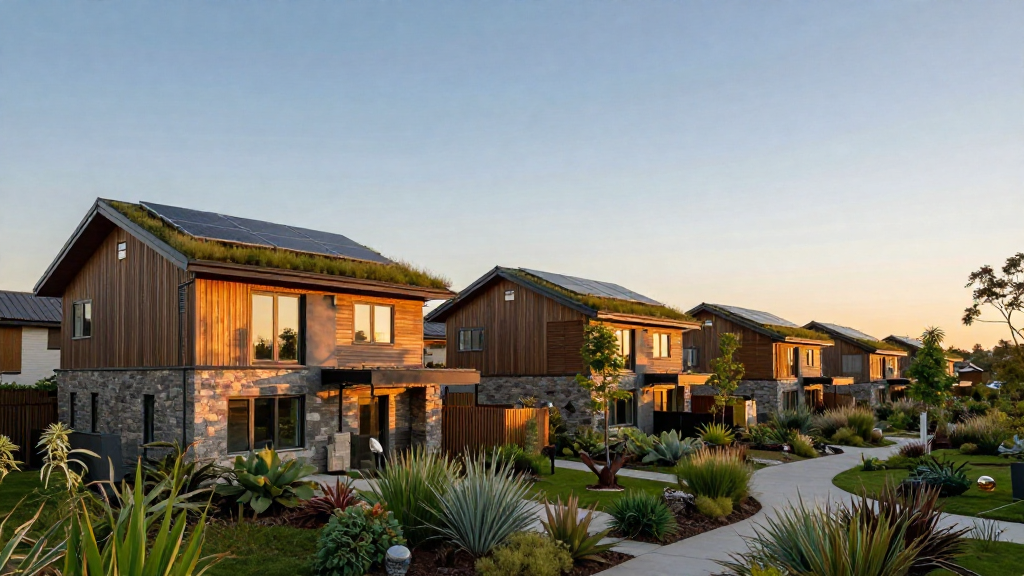
Eco housing explained refers to a sustainable way of living that prioritizes environmental responsibility and energy efficiency.
This article will delve deeper into the concept of eco housing, its benefits, key features, and how it can be an impactful solution to modern living.
What Does Eco Housing Mean?
Eco housing essentially refers to homes designed with ecological considerations in mind.
This includes using sustainable materials, minimizing energy consumption, and promoting environmentally friendly lifestyles.
The primary goal of eco housing is to create a built environment that has a minimal negative impact on the planet.
Key characteristics often include:
- Renewable Energy Sources: Utilizing solar panels, wind turbines, or biomass systems to power the home.
- Sustainable Materials: Employing recycled, reclaimed, or sustainably sourced materials in construction.
- Energy Efficiency: Designing homes to minimize energy needs through insulation, efficient appliances, and smart technology.
- Water Management: Implementing rainwater harvesting and greywater recycling systems to reduce water wastage.
How Does Eco Housing Work?
So, how does eco housing operate in practice?
The functionality of eco housing hinges on a combination of innovative technologies and principles.
A. Renewable Energy Technologies
Eco housing often incorporates various renewable energy technologies.
Solar Power is one of the most popular choices:
- Photovoltaic Panels: These convert sunlight directly into electricity, allowing homeowners to generate their own power.
- Solar Water Heating: This system uses solar energy to heat water for domestic use.
In addition to solar power, some eco houses may also use:
- Wind Turbines: Small turbines can produce power in areas with consistent wind flow.
- Geothermal Energy: Utilizing the Earth’s natural heat for heating and cooling.
B. Energy Efficiency Features
Energy efficiency is a cornerstone of eco housing.
Using energy-efficient appliances and lighting is crucial:
- LED Lighting: Consumes considerably less energy than traditional bulbs.
- Energy Star Appliances: Designed to use less energy and water.
Proper insulation also plays a significant role in maintaining indoor temperatures.
Eco houses often include:
- Triple-glazed Windows: Provide superior insulation compared to standard windows.
- Thicker Wall Systems: Help minimize thermal losses.
C. Sustainable Materials
The choice of materials is vital in eco housing explained.
Sustainable materials often used include:
- Bamboo: Fast-growing and highly renewable, it’s a great alternative to traditional wood.
- Reclaimed Wood: Reduces the need for new timber and gives new life to old materials.
- Ram Earth: A natural building material that offers excellent insulation properties.
Sustainable materials not only reduce environmental impact but also significantly lower the carbon footprint of the home.
D. Water Management Systems
Managing water in eco housing is an essential component of sustainable living.
Here are some systems commonly found in eco-friendly homes:
- Rainwater Harvesting: Collecting rainwater for irrigation or potable use.
- Greywater Recycling: Reusing water from sinks or baths for flushing toilets or watering gardens.
By incorporating these systems, eco houses can significantly reduce their water usage.
Why Choose Eco Housing?
Why should you consider eco housing as a viable living option?
Here are some compelling reasons:
A. Environmental Impact
Eco housing reduces carbon footprints and conserves natural resources.
By using renewable energy and sustainable materials, eco houses play a significant role in mitigating climate change.
B. Financial Savings
Though the initial cost may be higher, eco housing can lead to substantial long-term savings.
- Lower Utility Bills: Energy-efficient designs and technologies reduce water and electricity costs.
- Tax Incentives: Many governments offer incentives for investing in eco-friendly homes.
C. Improved Health and Wellbeing
Eco housing often provides better indoor air quality due to the use of non-toxic materials and effective ventilation systems.
Moreover, these homes typically feature environments that promote a more active, healthy lifestyle.
D. Community and Lifestyle
Living in eco housing often leads to a sense of community among those who value sustainability.
People living in eco-friendly environments frequently share resources, knowledge, and experiences, fostering a supportive lifestyle.
Is Eco Housing Right for You?
Can eco housing adapt to different lifestyles?
Absolutely!
Eco housing is not a one-size-fits-all solution.
Here are several options to consider:
- Single-family Homes: Custom-built or retrofitted for energy efficiency.
- Apartments/Condos: Multi-family dwellings designed with sustainable principles in mind.
- Tiny Homes: Small, mobile homes that emphasize simplicity and minimalism.
Ultimately, the decision lies in your values, budget, and lifestyle requirements.
What Are the Challenges of Eco Housing?
While eco housing has many advantages, there are also challenges to consider:
A. Upfront Costs
The initial investment in materials and technology can be a barrier for some.
However, as sustainable materials and technologies become more prevalent, prices are gradually decreasing.
B. Availability of Resources
In some areas, accessing high-quality sustainable materials or skilled labor for installation can be a challenge.
Researching local resources can help overcome this hurdle.
C. Misconceptions
Some people may misunderstand eco housing as being less comfortable or stylish than traditional homes.
In reality, eco houses can be designed in a variety of styles to suit individual tastes while maintaining their sustainable features.
Conclusion
In summary, eco housing explained encompasses much more than just energy-efficient designs; it’s a lifestyle choice that promotes responsibility toward the environment.
By utilizing renewable resources, sustainable materials, and innovative water management systems, eco housing serves as a practical solution for modern living.
As awareness grows around the need for sustainable living practices**, eco housing stands out as a beacon of hope. By making informed choices, individuals can contribute positively to the planet while enjoying the numerous benefits of eco-friendly homes.
Whether you are considering building or buying an eco home, the journey toward sustainability is a rewarding one worth exploring.