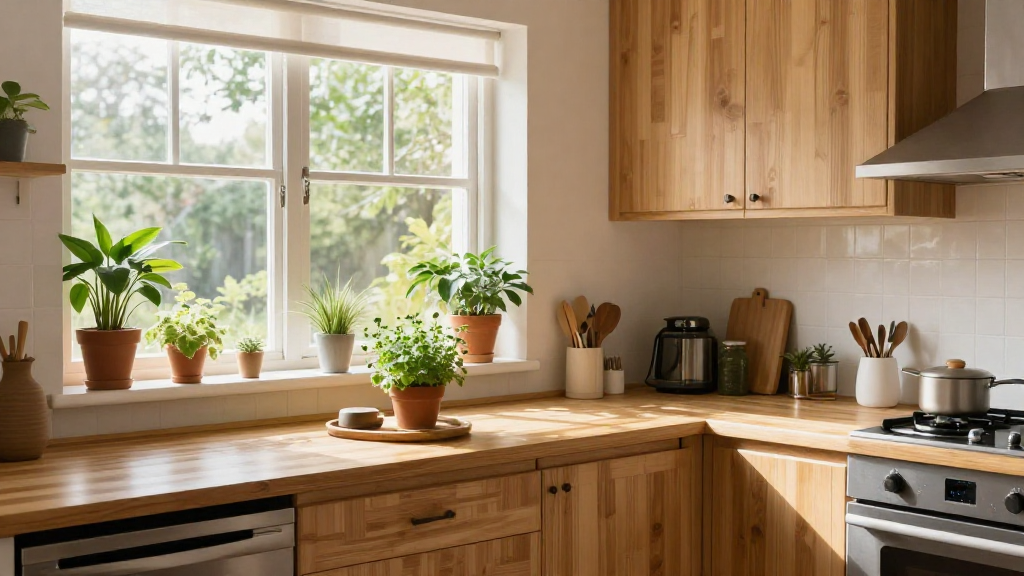
Creating an eco friendly kitchen is not just a trend, but a necessity for reducing our carbon footprint and embracing sustainable living.
In this article, we’ll explore eco kitchen ideas that make your cooking space both environmentally friendly and stylish.
What Are Eco Kitchen Ideas?
Eco kitchen ideas encompass various strategies and designs that promote sustainability within your kitchen.
From energy-efficient appliances to the use of sustainable materials, these concepts aim to minimize waste and encourage a healthier environment.
Here are some key components to consider while transforming your kitchen:
-
Energy-efficient Appliances: Opt for appliances that have Energy Star ratings. They consume less energy, thereby saving you money and reducing your carbon footprint.
-
Sustainable Materials: Choose countertops, cabinets, and flooring from eco-friendly sources, like bamboo, reclaimed wood, or recycled materials.
-
Water Conservation: Install low-flow faucets and dishwashers to save water with every dish you wash.
-
Waste Management: Set up a composting system for food scraps and invest in recycling bins for other waste.
How Can You Choose Sustainable Materials?
When selecting materials for your eco friendly kitchen, consider these options:
-
Bamboo: This rapidly renewable resource is durable and aesthetically pleasing.
-
Reclaimed Wood: Salvaged wood adds character to your kitchen while reducing the demand for new lumber.
-
Recycled Glass or Metal: These materials can be transformed into beautiful countertops and backsplashes.
-
Non-Toxic Paints and Finishes: Look for paints that are free of volatile organic compounds (VOCs) to enhance indoor air quality.
Using these sustainable materials in your kitchen not only reduces environmental impact but also enhances its overall aesthetic appeal.
How to Optimize Energy Efficiency?
An essential aspect of eco kitchen ideas is energy efficiency. Here are some strategies to make your kitchen more energy-efficient:
-
Use Energy-efficient Lighting: Replace incandescent bulbs with LED lighting options. LEDs consume up to 80% less energy and last much longer.
-
Smart Appliances: Invest in smart appliances that allow you to monitor and control energy usage from your smartphone.
-
Natural Ventilation: Keep your kitchen airy with adjustable windows to reduce the need for air conditioning.
-
Cooking Techniques: Use pots and pans that match the size of your burner to ensure efficient heat distribution.
Implementing these strategies in your kitchen can significantly lower energy consumption and costs.
How Can You Minimize Food Waste?
Minimizing food waste is a crucial part of creating an eco friendly kitchen. Here are some eco kitchen ideas that can help you achieve this:
-
Plan Your Meals: Create a weekly menu to ensure you only buy what you need.
-
Store Properly: Use airtight containers to keep your food fresh longer.
-
Preserve Leftovers: Turn uneaten meals into new dishes, like soups and casseroles.
-
Compost: Invest in a countertop compost bin to recycle your kitchen scraps.
These practices not only aid in reducing waste but also promote sustainable cooking habits that can benefit the environment.
Are There Eco Friendly Storage Solutions?
Creating an eco friendly kitchen also involves making conscious choices about storage solutions. Some ideas to consider are:
-
Glass Storage Containers: Unlike plastic, glass containers are reusable, durable, and contain no harmful chemicals.
-
Bamboo Utensils: Swap out your plastic utensils for sustainable options made from bamboo, which is eco-friendly and compostable.
-
Magnetic Spice Racks: Use magnetic containers to save space and reduce clutter, all while being aesthetically pleasing.
-
Bulk Bins: Purchase items in bulk to minimize packaging waste and lower your grocery bill.
Using eco-friendly storage options will not only clean up your kitchen but also contribute to a more sustainable environment.
How Can Sustainable Cooking Practices Help?
Adopting sustainable cooking practices is an effective way to enhance the eco-friendliness of your kitchen. Here are some practices you can adopt:
-
Plant-Based Meals: Incorporate more vegetarian or vegan recipes into your menu. Livestock farming is one of the leading causes of greenhouse gas emissions.
-
Local Ingredients: Shop at local farmer’s markets to support local economies and reduce transportation emissions.
-
Seasonal Foods: Consuming produce that is in season results in lower energy costs for transportation and storage.
-
Batch Cooking: Prepare larger portions and freeze leftovers to save resources and minimize cooking time during the week.
Applying these cooking practices will contribute to a more sustainable kitchen and lifestyle.
How to Create a Green Cleaning Routine?
An eco friendly kitchen is not complete without a green cleaning routine. Consider the following tips:
-
Natural Cleaning Products: Use vinegar, baking soda, and essential oils instead of chemical cleaners. They’re safer for you and the environment.
-
Reusable Cleaning Cloths: Replace paper towels with cloth rags or microfiber cloths to reduce waste.
-
Water Conservation: Use a bucket and sponge for washing dishes instead of running water, and always fill your sink when washing produce.
-
Eco-friendly Sponges and Brushes: Opt for biodegradable sponges or brushes made from sustainable materials.
These cleaning practices will help ensure that your kitchen remains eco-friendly throughout its use.
How Can You Incorporate Plants into Your Eco Kitchen?
Plants not only enhance the aesthetic of your kitchen but also purify the air and provide fresh herbs for cooking.
Here are some ways to incorporate plants into your eco friendly kitchen:
-
Herb Garden: Grow your own herbs on a windowsill, making them accessible for use in your meals.
-
Indoor Plants: Add air-purifying plants, like spider plants or peace lilies, to improve air quality.
-
Vertical Gardens: If space is limited, consider a vertical garden that can serve as both decor and a growing space for small plants.
Not only do these plants contribute to a green environment, but they also add freshness and vitality to your cooking duties.
Conclusion: Why Should You Embrace Eco Kitchen Ideas?
Adopting eco friendly kitchen practices is essential for creating a sustainable future.
By incorporating eco kitchen ideas into your home, you’re not just transforming your cooking space, but also contributing to a healthier planet for future generations.
From selecting sustainable materials to promoting energy efficiency and reducing food waste, every step counts in making your kitchen eco-friendly.
So take the plunge and commit to an eco-friendly kitchen today, because every small change can lead to a big difference.
Start exploring eco kitchen ideas that resonate with your personal style and values, and enjoy the benefits of sustainable living!