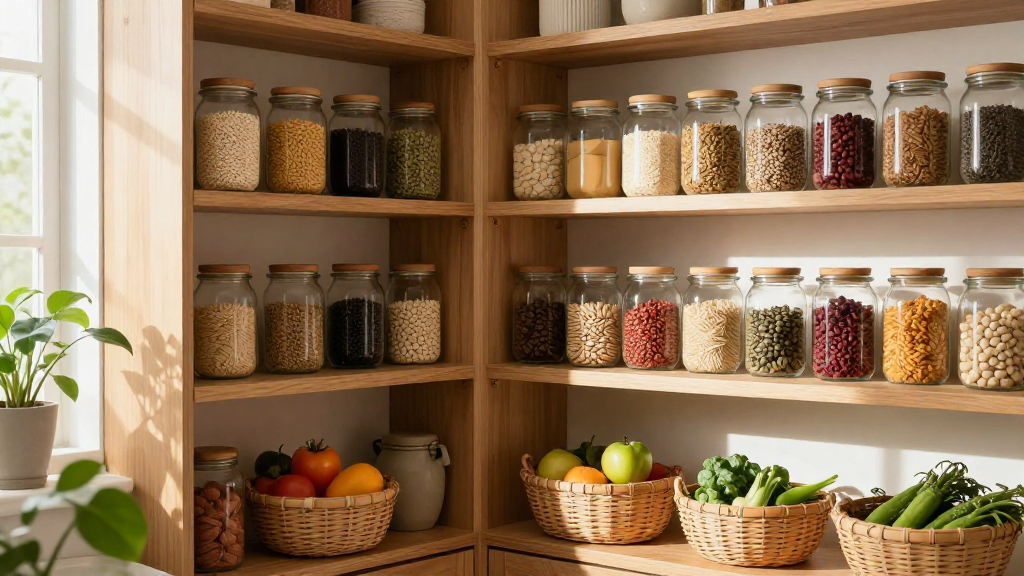
Are you wondering how to organize a pantry the eco way? If you’re looking for sustainable solutions that not only declutter your space but also help the environment, you’re in the right place! This comprehensive guide will walk you through eco pantry organization, providing tips and tricks to create an efficient, organized, and eco-friendly pantry.
What Is Eco Pantry Organization?
Eco pantry organization refers to the practice of arranging and storing food and supplies in a way that minimizes waste and uses sustainable materials.
The core principles of eco pantry organization involve:
- Reducing waste: Employing practices that minimize food and packaging waste.
- Using sustainable materials: Opting for containers and tools that are environmentally friendly.
- Promoting mindfulness: Being aware of what you purchase and how it affects the planet.
By following these practices, you not only benefit your household but also contribute to a healthier planet.
How Do You Get Started with Eco Pantry Organization?
Getting started with eco pantry organization may seem daunting, but breaking it down into manageable steps makes it seamless.
1. Clear Out and Declutter
Begin by taking everything out of your pantry.
- Empty all shelves: This helps you see what you have and allows you to clean.
- Check expiration dates: Discard expired items to reduce waste.
- Assess your pantry goods: Decide which items you frequently use and which can be recycled or donated.
2. Choose Sustainable Storage Solutions
Invest in eco-friendly containers to store your pantry items.
- Glass jars: They are reusable, recyclable, and do not harbor bacteria.
- Bamboo bins: A renewable resource, bamboo offers a stylish and eco-friendly organization option.
- Cloth bags: Great for storing bulk items like grains, nuts, or snacks.
- Repurposed containers: Reuse jars or boxes you already possess instead of buying new ones.
3. Sort and Categorize Your Items
Proper organization is crucial for easy access and efficiency.
- Group by category: Organize items into sections such as grains, canned goods, snacks, and spices.
- Label containers: Use biodegradable labels or a marker on tape to minimize plastic waste.
- Prioritize accessibility: Keep frequently used items at eye level and less frequently used items on higher shelves.
What Items Should You Use for Eco Pantry Organization?
When considering eco pantry organization, think about the materials, sizes, and purposes of the items you choose. Here are some eco-friendly pantry must-haves:
- Reusable snack bags: Perfect for packing snacks and keeping small items organized.
- Compostable food wraps: Instead of plastic wrap, opt for reusable beeswax wraps.
- Natural fiber storage bins: Use materials like jute or cotton to keep things tidy and stylish.
- Bulk containers: These can help you purchase items in bulk, reducing packaging waste.
Benefits of Using Eco-Friendly Products:
- Less environmental impact: Sustainable materials reduce your carbon footprint.
- Cost-effective: Investing in quality containers can save money in the long run.
- Healthier choices: Eco-friendly containers often contain fewer harmful chemicals.
How Can I Minimize Waste While Organizing My Pantry?
Minimizing waste during your eco pantry organization is vital.
Here are some effective strategies:
- Buy in bulk: Purchase items in larger quantities to reduce packaging.
- Choose local: When possible, buy from local farmers or markets to cut down on transportation emissions.
- Focus on plant-based foods: These tend to have a lower carbon footprint compared to animal products.
- Make a meal plan: Planning meals helps you use what you have and reduces food spoilage.
What Are Some Tips for Long-Term Eco Pantry Organization?
Maintaining an organized pantry takes effort, but with these tips, you can sustain your eco pantry organization.
- Regular checks: Schedule time every month to review the pantry’s contents and eliminate expired items.
- Mindful shopping: Stick to a list when grocery shopping to avoid impulse buys.
- Create a running inventory: Keep track of what you have to minimize redundancy and waste.
- Seasonal adjustments: Adapt your pantry organization with changing seasons and food availability.
Can Kids and Family Get Involved in Eco Pantry Organization?
Absolutely! Involving family members in eco pantry organization promotes teamwork and teaches them about sustainability.
Here’s how you can engage them:
- Assign tasks: Give each family member a specific category to organize or items to sort.
- Make it fun: Turn the process into a game to encourage participation.
- Educate: Use the opportunity to discuss the importance of reducing waste and opting for sustainable products.
How Can I Encourage Sustainable Purchasing Habits?
Eco pantry organization is just one piece of the puzzle; encouraging sustainable purchasing habits can have a profound impact.
- Set a good example: Model sustainable shopping habits that the whole family can learn from.
- Discuss values: Promote the benefits of eco-friendly products and local sourcing.
- Create a sustainable shopping list: Always include items that reflect your commitment to sustainability.
Conclusion: How to Organize a Pantry the Eco Way
Now that you have a clear understanding of how to organize a pantry the eco way, it’s time to implement these tips and transform your pantry into an eco-friendly haven.
Start with:
- Decluttering and assessing your needs.
- Choosing sustainable storage solutions.
- Adopting mindful shopping habits.
By embracing eco pantry organization, you’re not only enhancing your kitchen’s efficiency but also playing a crucial role in promoting environmental sustainability.
Begin your journey today and contribute to a cleaner, greener planet one organized pantry at a time!