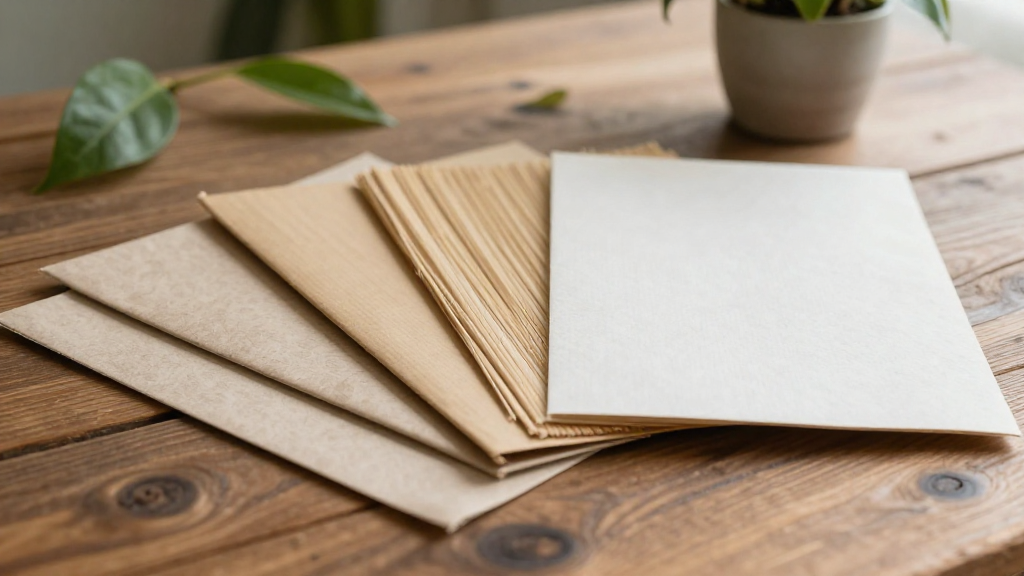
As the world becomes increasingly aware of the environmental impact of traditional paper products, many are turning to eco paper alternatives to meet their needs.
These sustainable options not only help reduce deforestation but also support a greener future.
Why Choose Eco Paper Alternatives?
Choosing eco paper alternatives comes with numerous benefits, particularly for environmentally conscious consumers.
Here’s why you should consider making the switch:
-
Reduced Environmental Impact: Traditional paper manufacturing is responsible for significant deforestation and water pollution.
Eco paper alternatives minimize these effects. -
Sustainable Sourcing: Many eco-friendly papers are made from recycled materials or sustainable fibers, such as bamboo or hemp, which reduces the need for virgin tree pulp.
-
Lower Carbon Footprint: Producing eco paper often involves fewer greenhouse gas emissions compared to conventional paper.
-
Biodegradable and Compostable Options: Many eco alternatives can decompose naturally, which is not the case with all traditional papers.
What Types of Eco Paper Alternatives Exist?
There is a variety of eco paper alternatives, each with its unique properties and uses.
Here’s a breakdown of some popular options:
1. Recycled Paper
Made from post-consumer waste, recycled paper is one of the most widely recognized eco paper alternatives.
- Uses: Suitable for printing, writing, and packaging.
- Benefits: Reduces the demand for virgin resources and can use up to 70% less energy in production.
2. Bamboo Paper
Bamboo is a highly renewable resource, making bamboo paper an excellent eco-friendly choice.
- Uses: Ideal for notebooks, art papers, and T-shirts.
- Benefits: Bamboo grows quickly, requires minimal chemicals, and contributes to healthier soil.
3. Hemp Paper
Hemp paper has been used for centuries and is making a comeback due to its sustainability.
- Uses: Great for stationary, packaging, and even currency!
- Benefits: Produces fiber much faster than wood and requires less water and pesticides.
4. Sugarcane Paper (Bagasse)
This innovative eco paper alternative utilizes the leftover pulp from sugarcane after juice extraction.
- Uses: Commonly found in food packaging and disposable products.
- Benefits: 100% biodegradable and can be an excellent alternative for single-use items.
5. Stone Paper
Made from crushed stone and non-toxic resins, stone paper is a unique option.
- Uses: Suitable for notebooks, maps, and brochures.
- Benefits: Water-resistant, tear-resistant, and does not require tree harvesting.
6. Cornstarch Paper
Derived from cornstarch, this paper is gaining traction as another eco-friendly option.
- Uses: Used primarily in food packaging.
- Benefits: Biodegradable and compostable, making it a great choice for the food industry.
How Do Eco Paper Alternatives Compare to Traditional Paper?
When assessing eco paper alternatives, it’s essential to compare them directly to traditional paper.
Here are some comparison points:
-
Sourcing: Traditional paper relies heavily on wood pulp from forests, whereas eco alternatives often utilize recycled or rapidly renewable resources.
-
Production Process: The manufacturing of traditional paper is generally more energy-intensive and creates more waste and pollution compared to the cleaner processes of eco-friendly options.
-
Usage Profiles: While some eco options may not be ideal for high-volume printing, there are plenty of alternatives that perform equally well.
Are Eco Paper Alternatives Cost-Effective?
One major concern about switching to eco paper alternatives is the price.
While some sustainable papers may come at a premium, others can be just as affordable as traditional options.
Here are a few factors to consider:
-
Volume: Buying in bulk can often reduce costs per ream for eco papers.
-
Quality: Higher-end eco-friendly papers may have an upfront investment, but their superior quality can save money in the long run for professional purposes.
-
Long-term Savings: Investing in sustainable products can bolster your brand’s reputation, potentially leading to increased sales.
What Are the Best Brands Offering Eco Paper Alternatives?
Several brands are leading the charge in providing high-quality eco paper alternatives.
Here’s a list of some of the top contenders:
-
EcoPaper: Specializes in recycled paper products for both personal and business use.
-
TreeZero: Offers 100% recycled paper that doesn’t sacrifice quality for sustainability.
-
Bamboo Paper Products: Focuses on products made from bamboo and other sustainable materials.
-
Stone Paper: A notable name investing heavily in researching and developing stone paper products.
How to Make the Transition to Eco Paper Alternatives?
Switching to eco paper alternatives doesn’t have to be overwhelming.
Here are some steps to ensure a smooth transition:
-
Evaluate Your Needs: Assess the types of paper products you use regularly and identify eco-friendly options that fit.
-
Trial and Error: Purchase small samples of different eco papers to see which types best meet your needs.
-
Educate Your Team: If you manage a business, ensure your team is informed about the benefits and uses of eco paper alternatives.
-
Recycle: Establish a proper recycling system in conjunction with your new eco paper products to maximize sustainability.
Conclusion: A Step Towards Sustainability
As you explore the world of eco paper alternatives, it becomes clear that making small changes can lead to significant positive impacts.
From reducing your carbon footprint to supporting sustainable practices, the shift toward eco-friendly paper products can pave the way for a healthier planet.
Start today by considering which eco paper alternatives suit your needs and help promote a more sustainable future.