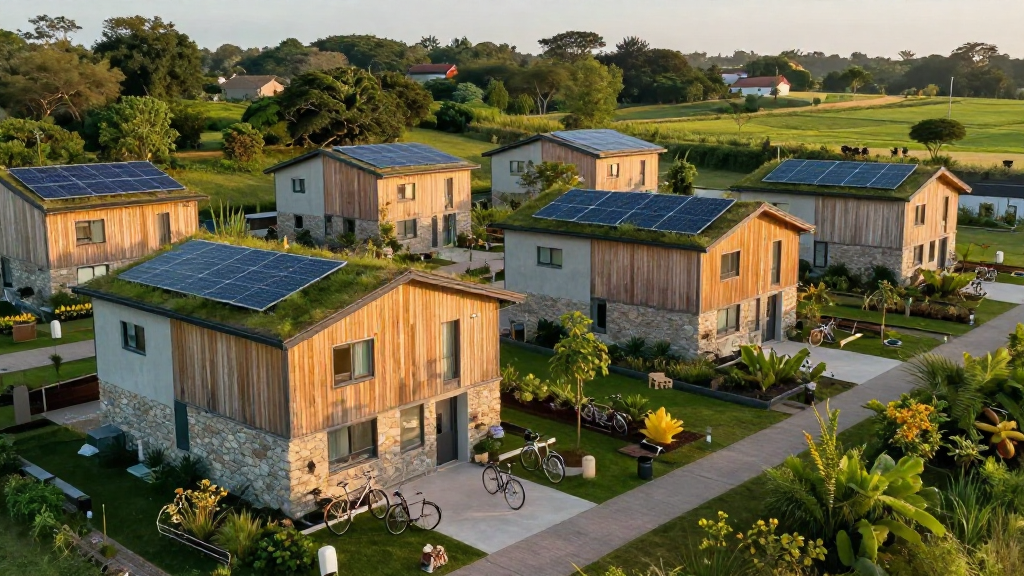
Eco shared housing is an innovative concept designed to promote sustainability and community living.
This article will delve into how eco shared housing works, its benefits, and what you need to know if you’re considering this green living option.
What is Eco Shared Housing?
Eco shared housing refers to living arrangements where individuals or families share a home or apartment with others
while focusing on environmentally sustainable practices.
Characteristics of eco shared housing may include:
- Energy-efficient appliances: These homes typically utilize appliances that consume less energy.
- Renewable energy sources: Solar panels or wind turbines may power the home.
- Sustainable materials: Construction often utilizes eco-friendly materials that have minimal environmental impact.
- Shared resources: Residents often share possessions, tools, and even meals, reducing waste and promoting community.
Eco shared housing encourages a lifestyle that minimizes individual environmental footprints while maximizing social connections.
How Does Eco Shared Housing Promote Sustainability?
Eco shared housing promotes sustainability in multiple ways.
1. Reducing Resource Consumption
By sharing living spaces, residents reduce the number of homes that need to be built.
This conserves land and minimizes the use of materials.
Shared living spaces can mean:
- Fewer utilities consumed per person
- Enhanced energy efficiency through shared heating and cooling systems
- Reduced water use thanks to communal gardens or shared laundry facilities
2. Fostering Community Engagement
Living in shared housing cultivates a sense of community
that encourages residents to collaborate on sustainability efforts.
Some activities might include:
- Organizing neighborhood clean-up days
- Starting community gardens
- Hosting workshops on sustainable practices
What Are the Key Features of Eco Shared Housing?
Understanding the key features of eco shared housing can help you decide if it’s the right choice for you.
1. Community Living Spaces
Most eco shared housing setups feature common areas where residents can socialize and collaborate
on various tasks.
This may include:
- Kitchens: Where meals are cooked and shared.
- Lounges: Comfortable spaces for relaxation and social interaction.
- Gardens: Areas for growing food and fostering connection through shared labor.
2. Focus on Eco-Friendly Practices
Residents often embrace a range of eco-friendly practices, including:
- Waste management: Composting and recycling programs.
- Sustainable transportation: Encouraging biking or public transportation.
- Green cleaning products: Using environmentally safe cleaning supplies and practices.
How Can You Get Involved in Eco Shared Housing?
If eco shared housing sounds appealing to you, here’s how to get involved:
1. Research Available Options
Look for existing eco shared housing communities in your area or nearby cities. Websites, local community boards, and social media groups can be great resources.
2. Consider Building Your Own Community
If you can’t find an existing option, consider creating your own eco shared housing setup.
This process may involve:
- Gathering like-minded individuals: Reach out to friends or interested parties.
- Finding a suitable location: Look for homes that can accommodate multiple individuals or families.
- Establishing rules and values: Create a framework for shared responsibilities and expected practices.
3. Understand the Financial Aspects
Living in eco shared housing can provide financial benefits.
Some financial considerations include:
- Lower rent: Sharing a space generally reduces individual costs.
- Shared expenses: Utilities, groceries, and maintenance can be split among residents.
- Potential for subsidies: Look into grants or subsidies available for eco-friendly living arrangements.
What Are the Challenges of Eco Shared Housing?
While eco shared housing offers numerous benefits, it’s also essential to recognize the challenges.
1. Compatibility Among Residents
Living closely with others means that conflicts can arise.
Tips to foster compatibility:
- Open communication: Regular meetings to discuss issues and solutions.
- Set clear expectations: Define personal space, chores, and responsibilities from the beginning.
2. Initial Setup Costs
Starting an eco shared housing community may require upfront investment in:
- Renovations for energy-efficient upgrades
- Sustainable materials for common areas
- Initial supplies for shared resources
Why is Eco Shared Housing Beneficial for the Environment?
Eco shared housing promotes various benefits that positively impact the environment.
1. Less Energy Usage
Shared living often leads to spatial efficiency, meaning that less energy is consumed per person.
2. Minimal Waste Generation
By encouraging shared resources, residents produce less waste.
This includes:
- Shared meals: Reduces food waste through communal cooking.
- Shared tools and equipment: Fewer items purchased and disposed of.
3. Increased Biodiversity
Many eco shared housing developments incorporate green spaces, promoting local biodiversity.
This can be achieved through:
- Planting native species in community gardens
- Creating habitats for local wildlife
Conclusion: Is Eco Shared Housing Right for You?
Deciding to join or start an eco shared housing community can be deeply rewarding and impactful.
By understanding how eco shared housing works,
you can determine if it aligns with your values and lifestyle.
If you are drawn to community living, sustainability, and minimizing your environmental impact, eco shared housing could be a perfect fit.
It offers a unique opportunity to live harmoniously with others while making a positive contribution to the planet.
If you’re interested, start researching local options or gathering like-minded individuals to create your own eco-friendly living space today!