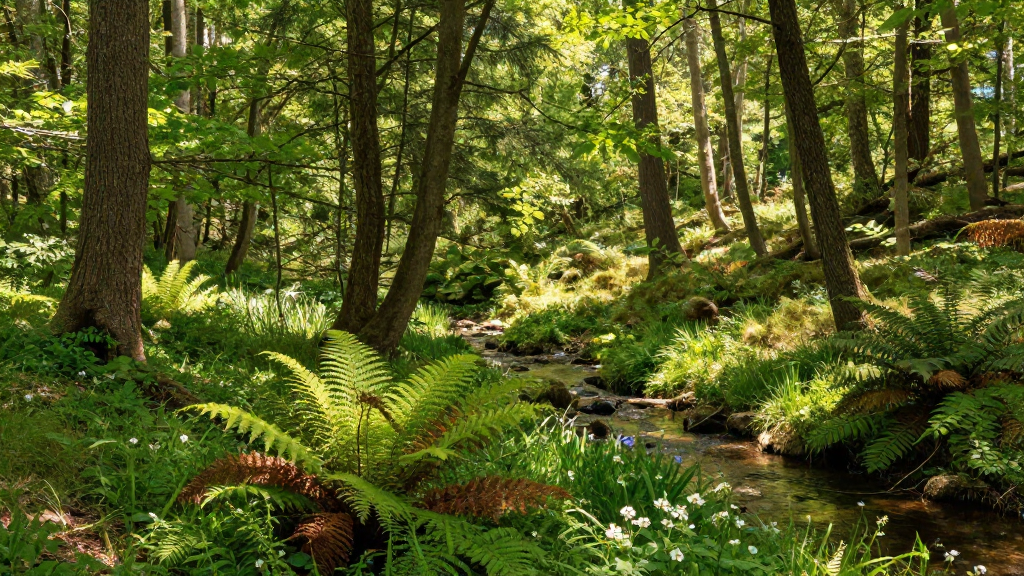
When we talk about eco sustainable forests, we delve into an essential practice that not only supports the environment but also fosters biodiversity, mitigates climate change, and sustains local economies.
What Are Eco Sustainable Forest Practices?
Eco sustainable forest practices refer to various methods and approaches that aim to manage forest areas responsibly and sustainably.
These practices ensure that the ecosystems remain healthy while also meeting the needs of current and future generations. The objective is to nurture forest resources without compromising their ecological integrity.
Why Are Eco Sustainable Forests Important?
Eco sustainable forests play a critical role in our planet’s health. Here are a few key reasons why these practices are essential:
- Climate Regulation: Forests act as carbon sinks, sequestering CO2 from the atmosphere.
- Biodiversity Preservation: They provide habitat for countless species, thus maintaining ecological balance.
- Soil Protection: Healthy forests prevent soil erosion and improve soil fertility.
- Water Resources: Sustainable forests help to disseminate rainwater, maintaining the local hydrology.
- Community Benefits: They provide jobs and livelihoods through sustainable timber and non-timber forest products.
What Practices Contribute to Eco Sustainable Forests?
To maintain eco sustainable forests, a variety of practices are employed. Here are some of the major methods:
1. Selective Logging
Selective logging involves the removal of specific trees in a forest, which minimizes damage to the surrounding ecosystem.
Unlike clear-cutting, which removes all trees from an area, selective logging maintains the forest’s structure and habitat diversity.
2. Agroforestry
Agroforestry combines agriculture and forestry practices to create integrated and sustainable land-use systems.
By combining crops with trees, this method enhances biodiversity, prevents soil erosion, and provides multiple sources of income for farmers.
3. Controlled Burns
Controlled burns are intentionally set under regulated conditions to clear out dead vegetation and prevent more severe wildfires.
This practice can promote the growth of new, healthy vegetation and maintain a balanced ecosystem.
4. Reforestation and Afforestation
Reforestation is the process of replanting trees in deforested areas, while afforestation involves planting trees in areas that were never forested.
Both practices enhance carbon uptake, restore habitats, and contribute to the overall health of eco sustainable forests.
5. Certification Systems
Certification systems, such as the Forest Stewardship Council (FSC), ensure that forests are managed sustainably.
These programs promote responsible management that respects ecological, social, and economic factors, allowing consumers to support sustainably sourced products.
How Do Eco Sustainable Forests Benefit Local Communities?
Eco sustainable forests also offer several benefits that extend directly to local communities:
- Economic Opportunities: Sustainable forestry allows local communities to profit from forest resources without depleting them.
- Cultural Preservation: Many indigenous communities rely on forests for their cultural identity, which is preserved through eco sustainable practices.
- Educational Resources: Forests can be utilized for educational purposes, teaching future generations the importance of environmental stewardship.
What Challenges Do Eco Sustainable Forest Practices Face?
Despite the benefits, eco sustainable forests confront several challenges, such as:
1. Deforestation
Global deforestation, largely driven by agriculture and urban development, poses a significant threat to sustainable forest management.
Urgent action is required to curb these activities and promote sustainable alternatives.
2. Climate Change
Climate change can alter forest ecosystems, making it increasingly difficult to maintain their health and productivity.
- Drought Events: Increased frequency and severity of droughts can weaken trees, making them more susceptible to pests and diseases.
- Pest Infestations: Warmer temperatures can lead to pest outbreaks that damage forest health.
3. Economic Pressures
The demand for timber and land often competes with the need for sustainable practices.
Rising human populations and urbanizing areas lead to continuous pressure on forest resources.
How Can We Support Eco Sustainable Forest Practices?
Eco sustainable forests need community and individual support. Here are several ways to contribute:
1. Choose Sustainable Products
When purchasing wood or paper products, look for certifications like FSC.
This ensures that you are supporting companies that practice sustainable forestry.
2. Advocate for Policy Changes
Support policies that promote sustainable land use and protect forest areas.
Contact local representatives and encourage them to prioritize environmental conservation.
3. Educate Others
Share information about the importance of eco sustainable forests and the benefits of sustainable practices.
The more people understand, the more support can be generated for these essential practices.
4. Get Involved in Local Conservation Efforts
Join local conservation organizations that focus on sustainable forestry.
Participate in tree planting campaigns or volunteer to help maintain local forests.
Conclusion: The Future of Eco Sustainable Forests
The future of eco sustainable forests hinges on our collective efforts to balance human needs with environmental stewardship.
By embracing sustainable practices, we can ensure that forests continue to thrive for generations to come.
As we foster this balance, we empower not just the forests, but the countless species and communities that depend on them.
Working together, we can lead the charge towards a more sustainable and ecologically sound future for planet Earth.