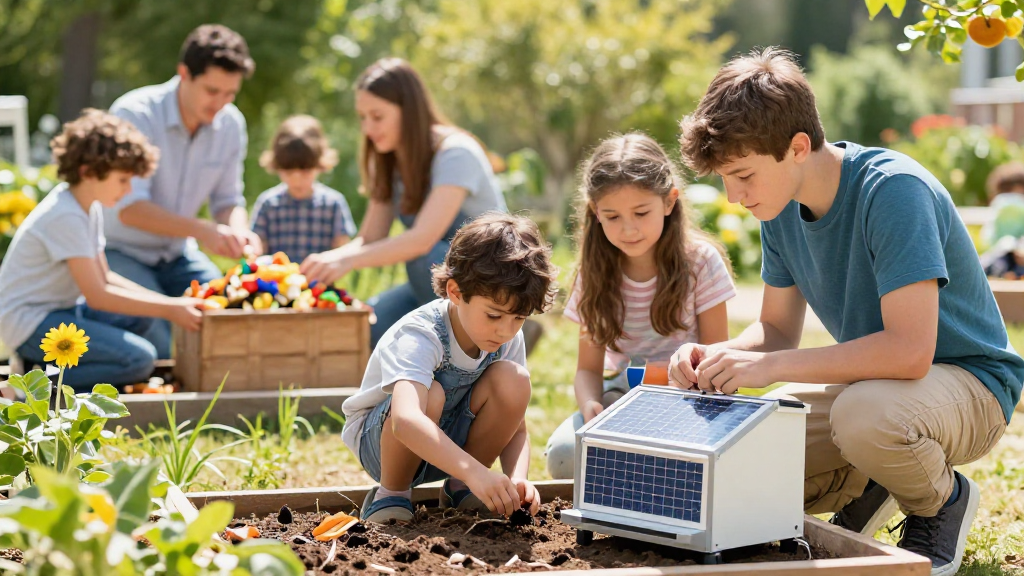
Are you looking for engaging eco experiments that can spark interest in environmental science for all ages?
These hands-on activities not only promote learning but also encourage the importance of sustainability and conservation.
In this article, we will explore various eco experiments that are fun, educational, and suitable for everyone, from young children to adults.
What Are Some Easy Eco Experiments to Try at Home?
When it comes to introducing eco-friendly concepts, simple experiments using common household items work wonders.
Here are a few easy eco experiments:
-
Plant Growth in Different Conditions
– Materials Needed: Seeds (e.g., beans), soil, small pots, water.
– Instructions:- Plant seeds in different pots.
- Place one pot in sunlight, another in a dark area, and another with limited water.
- Observe the growth over time.
- Learning Outcome: Understand the optimal conditions for plant growth, which ties into the impact of sunlight and water availability on our ecosystems.
-
Homemade Compost
– Materials Needed: Kitchen scraps (e.g., fruit peels, coffee grounds), soil, a container.
– Instructions:- Collect scraps and mix them with soil in a container.
- Turn the contents weekly and observe decomposition.
- Learning Outcome: Learn about composting and its benefits for reducing waste and enriching soil.
-
Water Filtration System
– Materials Needed: Plastic bottle, gravel, sand, activated charcoal, coffee filter, dirty water.
– Instructions:- Cut the bottom off the plastic bottle and invert it.
- Layer gravel, sand, and charcoal inside the bottle.
- Pour dirty water through the filter and collect clean water.
- Learning Outcome: Discover how natural filtration works and the importance of clean water.
Why Are Eco Experiments Important for Kids?
Eco experiments are not just fun; they are essential for fostering a sense of responsibility towards the environment.
Benefits of eco experiments for kids include:
- Hands-on Learning: Kids learn better when they can see, touch, and experiment.
- Critical Thinking: They develop problem-solving skills by hypothesizing and testing.
- Environmental Awareness: Engaging in eco experiments helps children understand their impact on nature.
What Are Some Creative Eco Experiments for Teens?
Teens love to explore complex ideas and make real-world connections.
Here are some creative eco experiments that will keep them engaged:
-
DIY Solar Oven
– Materials Needed: Cardboard box, aluminum foil, plastic wrap, black construction paper.
– Instructions:- Line the inside of the box with aluminum foil.
- Place black paper at the bottom of the box.
- Cover the top with plastic wrap to create a greenhouse effect.
- Use sunlight to cook simple food items like s’mores.
- Learning Outcome: Understand renewable energy and the science behind solar cooking.
-
Ecosystem in a Jar
– Materials Needed: A clear jar, soil, small plants, small stones, water.
– Instructions:- Layer stones at the bottom of the jar for drainage.
- Add soil and small plants.
- Water lightly and seal the jar.
- Observe over weeks as it creates a self-sustaining ecosystem.
- Learning Outcome: Learn about ecosystems, plant growth, and sustainable practices.
-
Air Quality Testing
– Materials Needed: Petri dishes, sugar, and a period of varying outdoor conditions.
– Instructions:- Leave sugar in petri dishes open to the air in various locations (parks, streets).
- After a week, check for mold growth.
- Learning Outcome: Understand pollution levels and how they affect air quality.
How Can Adults Get Involved with Eco Experiments?
Adults can also benefit from eco experiments, as they can lead community initiatives or simply learn alongside their children.
Here are eco experiments tailored for adults:
-
Rainwater Harvesting System
– Materials Needed: A barrel, diversion system for gutters.
– Instructions:- Install the barrel under your gutter downspout to collect rainwater.
- Use the collected rainwater for gardening.
- Learning Outcome: Learn about sustainable water usage and conservation practices.
-
Biodiversity Assessment
– Materials Needed: Field guide, notebook, camera.
– Instructions:- Spend a day observing wildlife in your backyard or a nearby park.
- Document the different species of plants and animals.
- Learning Outcome: Understand local biodiversity and the importance of protecting native species.
-
Energy Audit
– Materials Needed: Energy bills, a notepad.
– Instructions:- Review your energy usage and identify areas for improvement.
- Implement changes, like switching to LED bulbs or learning about energy-efficient appliances.
- Learning Outcome: Recognize the impact of energy consumption on the planet and take actionable steps towards sustainability.
What Are Some Community Eco Experiments?
Community involvement amplifies the impact of eco experiments.
Here are some ideas you can implement with your neighbors or local groups:
-
Community Garden
– Instructions: Organize a space where community members can contribute and learn about growing their own fruits and vegetables.
– Learning Outcome: Encourage local food production and foster community spirit. -
Neighborhood Clean-Up Challenge
– Instructions: Host a monthly clean-up event where participants collect trash from parks and streets.
– Learning Outcome: Promote awareness of littering and its effects on the environment. -
Workshop Series on Sustainability
– Instructions: Organize workshops discussing topics like composting, recycling, or renewable energy.
– Learning Outcome: Educate community members about sustainable practices they can implement in their own lives.
Conclusion
Engaging in eco experiments is an effective method to promote environmental awareness, sustainability, and hands-on learning for people of all ages.
From simple projects like plant growth experiments to community initiatives like garden projects, there is an abundance of opportunities to discover the wonders of nature.
So gather your materials, get your family and friends involved, and embark on an exciting journey of eco experimentation today.
The planet will thank you for it!