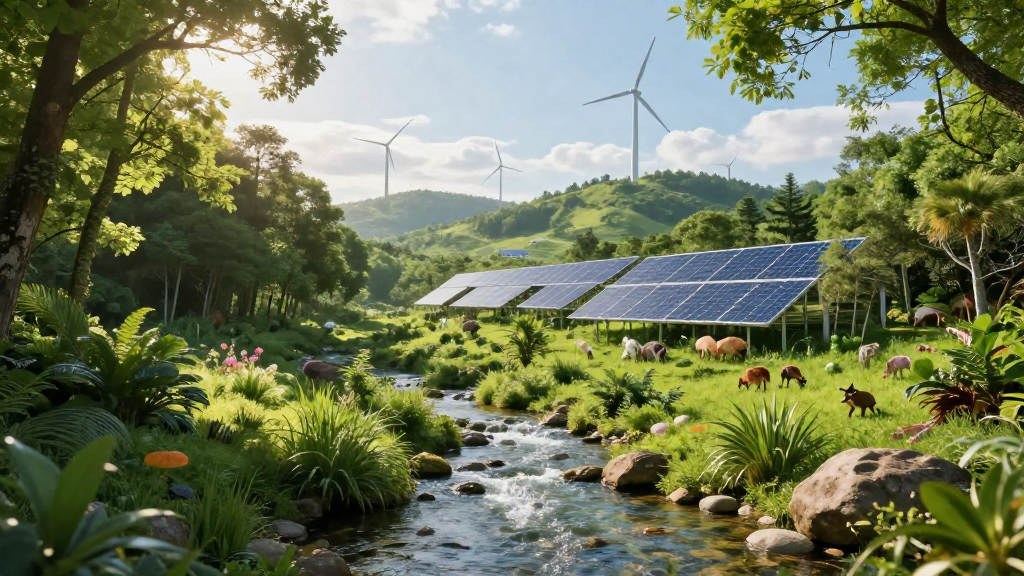
An eco sustainable future vision is one that harmonizes human activity with the natural world.
In this article, we will explore what this vision entails, its key components, and how individuals and businesses can contribute to making it a reality.
What Are the Key Components of an Eco Sustainable Future Vision?
An eco sustainable future vision encompasses several important elements aimed at preserving the environment for future generations. Here are some critical components:
-
Renewable Energy Sources
Transitioning to renewable energy, such as solar, wind, and hydroelectric power, is fundamental.
This shift reduces greenhouse gas emissions and alleviates dependence on fossil fuels. -
Sustainable Agriculture
Organic farming practices, permaculture, and agroforestry promote biodiversity and minimize environmental impacts.
By prioritizing sustainable agriculture, we can nourish the planet while feeding a growing population. -
Circular Economy
The concept of a circular economy focuses on designing products for longevity, reparability, and recyclability.
This approach minimizes waste and encourages responsible consumption. -
Green Infrastructure
Investment in green infrastructure, such as green roofs, urban forests, and permeable pavements, enhances urban ecosystems.
These initiatives help manage stormwater, reduce heat island effects, and improve air quality. -
Conservation of Biodiversity
Protecting natural habitats and endangered species is crucial for maintaining ecological balance.
Conservation efforts help restore ecosystems and support resilience against climate change. -
Eco-friendly Transportation
Embracing sustainable transportation solutions like electric vehicles, public transit, cycling, and walking promotes a cleaner environment.
These practices not only reduce carbon footprints but also improve urban air quality.
How Can Individuals Contribute to an Eco Sustainable Future Vision?
Individuals play a crucial role in bringing an eco sustainable future vision to life. Here are actionable steps you can take:
-
Reduce, Reuse, Recycle
Make a conscious effort to minimize waste by recycling materials and repurposing items when possible. -
Conserve Energy
Use energy-efficient appliances, switch to LED lighting, and unplug devices when not in use. -
Choose Sustainable Products
Support companies committed to sustainability by purchasing eco-friendly products that are ethically produced. -
Advocate for Policy Changes
Engage in local and national discussions concerning environmental policies.
Lobby for clean energy initiatives, conservation programs, and pollution control measures. -
Support Local Businesses
Choose to buy from local farmers and artisans who prioritize sustainable practices.
This supports the local economy and reduces the carbon footprint associated with transporting goods.
How Can Businesses Embrace an Eco Sustainable Future Vision?
For businesses, adopting an eco sustainable future vision can lead to not only environmental benefits but also economic advantages. Here are some strategies businesses can implement:
-
Implement Sustainable Practices
Use sustainable materials, implement energy-efficient processes, and reduce waste across all operations. -
Invest in Renewable Energy
Businesses can transition to renewable energy sources for their operations, which can help reduce operation costs in the long run. -
Green Certifications
Obtain certifications like LEED (Leadership in Energy and Environmental Design) to demonstrate a commitment to sustainability. -
Employee Engagement
Encourage employees to participate in sustainability initiatives.
Create a culture where eco-friendly practices are embraced and rewarded. -
Sustainable Supply Chain
Foster partnerships with suppliers who share the same commitment to sustainability.
This creates a ripple effect throughout the entire supply chain.
What Role Does Technology Play in an Eco Sustainable Future Vision?
Technology is a key enabler of an eco sustainable future vision. Here’s how it contributes:
-
Smart Grids
These systems help optimize energy use, integrate renewable energy sources, and manage electricity demand more efficiently. -
Precision Agriculture
Technologies like drones and IoT devices allow farmers to monitor crops accurately.
This enables efficient resource use, reducing waste and chemical dependency. -
Waste Management Innovations
Technologies that improve recycling processes and waste sorting can significantly reduce landfill contributions. -
Carbon Capture Technology
Advancements in carbon capture can help mitigate the effects of industrial emissions, helping companies achieve sustainability goals. -
Electric Vehicle Infrastructure
Expanding charging infrastructure for electric vehicles supports the transition to a low-carbon transportation system.
What Are the Benefits of Pursuing an Eco Sustainable Future Vision?
Adopting an eco sustainable future vision is not just an environmental necessity; it also brings numerous benefits:
-
Improved Public Health
Reducing pollution and promoting cleaner air and water leads to healthier communities. -
Economic Resilience
Investments in green technologies and sustainable practices create new job opportunities and boost local economies. -
Biodiversity Preservation
An eco sustainable approach aids in conserving habitats and protecting species, which strengthens ecosystems. -
Climate Change Mitigation
By reducing reliance on fossil fuels and promoting renewable energies, we can combat the effects of climate change effectively. -
Enhanced Quality of Life
Green spaces, clean air, and sustainable living conditions contribute to a higher quality of life for everyone.
How Can We Educate Future Generations About Eco Sustainable Future Vision?
Education plays a crucial role in shaping an eco sustainable future vision. Here’s how we can educate the next generation:
-
Integrate Sustainability into Curricula
Schools should include environmental education as a core element across all subjects.
This cultivates awareness and responsibility from a young age. -
Encourage Hands-on Learning
Engage students in real-world projects like community gardens or clean-up initiatives.
This fosters a connection with nature and a sense of accomplishment. -
Promote Critical Thinking
Encourage students to think critically about environmental issues and their solutions.
This empowers them to develop innovative ideas and strategies. -
Involve Families and Communities
Create community programs to raise awareness and involve families in sustainability initiatives.
Collaborative approaches are essential for widespread change.
In conclusion, an eco sustainable future vision requires dedication at multiple levels—individual, business, and community.
By embracing sustainable practices, supporting innovative technologies, and educating future generations, we can turn this vision into a reality.
The road to sustainability may be challenging, but the benefits of a healthier planet for all are worth the effort. Let’s take action now for a brighter, greener future!