Looking for more usable power from the same footprint? A bifacial solar panel kit can capture light from both sides, helping boost output in the right setup.
Below, we’ve focused on options that balance efficiency, durability, and real-world install value for homes, RVs, cabins, boats, and backup power.
Best 10 Bifacial Solar Panel Kit Picks for 2026
Double-Sided Value Panel

- Two 100W bifacial panels
- 16BB cells, 25% claimed efficiency
- IP68 junction box, pre-drilled holes
Best For: RV, marine, and small off-grid starter setups
All-in-One Home Backup Kit
ECO-WORTHY 4.68KWh Solar System

- Six 195W N-type bifacial panels
- Includes 48V 50Ah LiFePO4 battery
- 3500W inverter with WiFi and MPPT
Best For: Home, cabin, and shed backup power buyers
Compact High-Efficiency Panel
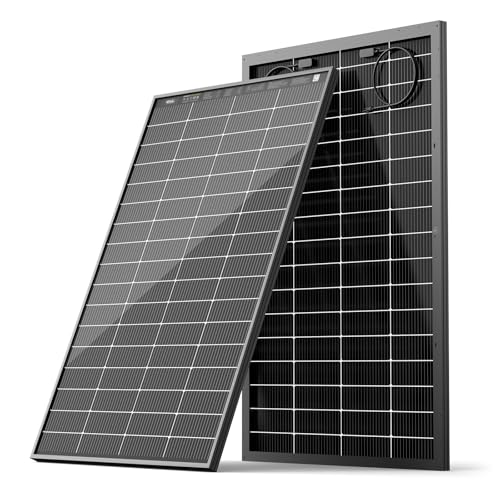
- 13% smaller and 13.3% lighter
- Up to 25.4% efficiency with N-type cells
- IP68, 2400Pa wind, 5400Pa snow
Best For: Campervans and tight rooftop solar installs
Shade-Resistant Compact Panel
Callsun 120W Bifacial TwinCell

- N-type 16BB panel with 25% claimed efficiency
- TwinCell anti-shade circuitry
- Compact frame for RVs and truck beds
Best For: Campers and mobile setups with partial shade
High-Output Bifacial Pair
Renogy 800W 2-Pack for Rooftops and RVs

- 800W two-panel set with high-efficiency N-type 16BB cells
- Bifacial design can add up to 30% from reflected light
- Half-cut layout helps maintain output under partial shade
Best For: Space-conscious buyers needing strong output for RV, rooftop, or off-grid setups
Heavy-Duty Energy Set
SUNGOLDPOWER 590W 6-Pack for Backup Systems

- 590W bifacial panels with up to 22.8% efficiency
- Dual-glass build is designed for harsh weather and durability
- Six-panel bundle suits rooftop or ground-mounted systems
Best For: Larger backup, storage, and off-grid installations needing high output and durability
Compact Waterproof Pick
AeternaSol 200W Bifacial Panel for Small Off-Grid Builds

- 200W bifacial panel with transparent backsheet and 25% efficiency
- IP68 junction box and UV-resistant wiring improve weather durability
- Pre-drilled frame holes make mounting easier
Best For: Small RV, boat, camper, or off-grid setups that need a durable single panel
Top High-Efficiency Pick
Renogy 250W Bifacial N-Type Panel

- 25% efficiency from grade A+ N-type cells
- 80% bifaciality factor with rear-side output gain
- IP68 build with low heat-loss coefficient
Best For: RV, marine, rooftop, and off-grid buyers who want a durable high-efficiency 250W panel
High-Power Dual-Panel Option
EPOCH 860W Bifacial 2-Panel Set
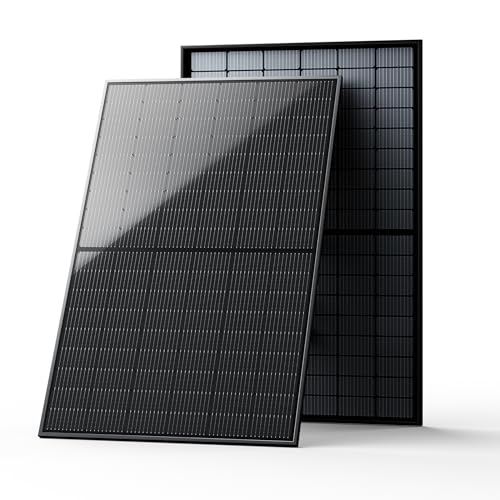
- 860W total from two bifacial panels
- Up to 25% efficiency with double-sided capture
- IP68 box, IP67 connectors, and pre-drilled mounting
Best For: High-output off-grid systems that need a two-panel bifacial setup
Best For Shade and Ground Gain
Callsun 2x180W Bifacial Panel Set

- 360W total from two 180W panels
- Anti-shade TwinCell design supports partial shading
- Up to 30% gain from reflected light on ground mounts
Best For: Small off-grid builds with partial shade or reflective mounting surfaces
Double-Sided Value Panel – ECO-WORTHY 200W Bifacial Pair
If you want a bifacial solar panel kit for an off-grid setup, this ECO-WORTHY 200W two-panel pack is built around compact 100W modules with high-efficiency 16BB cells and bifacial backsheet design. It’s a practical fit for RVs, boats, sheds, farms, and home backup projects where you want a straightforward install and extra light capture from reflected sunlight.
Best For: RV, marine, and small off-grid users who want a two-panel bifacial starter kit.
Pros:
- Two 100W bifacial monocrystalline panels give you 200W total in a flexible layout.
- 16BB cells and claimed 25% conversion efficiency support strong output for the size.
- Pre-assembled junction box, MC4 connectors, and pre-drilled holes make mounting easier.
- IP68 junction box plus 2400Pa wind and 5400Pa snow ratings add durability.
Cons:
- Best results depend on mounting height and reflected light beneath the panel.
- The two-panel setup may take more space and hardware than a single larger module.
This is a sensible choice if you want bifacial benefits without moving into a large, complex system. It’s especially appealing for buyers who value easy installation, weather resistance, and versatile use across RV and off-grid applications.
All-in-One Home Backup Kit – ECO-WORTHY 4.68KWh Solar System
This bifacial solar panel kit is aimed at buyers who want a complete off-grid power package rather than separate components. The ECO-WORTHY system combines six 195W N-type bifacial panels, a 48V 50Ah LiFePO4 battery, and a 3500W inverter, making it a more turnkey option for home, cabin, or shed backup power.
Best For: Buyers who want a full solar power bundle for appliances and backup energy.
Pros:
- Complete kit includes panels, battery, inverter, and necessary accessories.
- Six 195W N-type bifacial panels are rated at 25% conversion efficiency.
- 3500W inverter includes WiFi monitoring, MPPT controller, and 7000W surge capacity.
- 48V 50Ah LiFePO4 battery is lighter than lead-acid and rated for 4000+ cycles.
Cons:
- It’s a larger, more expensive system than a simple panel-only purchase.
- Multiple packages mean you need to confirm all components arrive.
If you want a bundled solution for running common household appliances, this system stands out more for completeness than portability. It’s best suited to users who want integrated power storage and inverter support in one purchase.
Compact High-Efficiency Panel – HQST 200W N-Type Bifacial
If you need a bifacial solar panel kit component that saves space, this HQST 200W panel is designed for compact installs where fewer mounts and cables matter. Its N-type 16BB construction, claimed 25.4% efficiency, and bifacial design make it a strong fit for campervans, rooftops, trailers, and off-grid builds.
Best For: Compact RV and rooftop installs where space and weight are limited.
Pros:
- 13% smaller and 13.3% lighter than standard PERC panels, according to the listing.
- Bifacial design can capture reflected light for up to 30% more output in ideal conditions.
- N-type cells and 16BB architecture are positioned for long service life and stable output.
- IP68 waterproofing, 2400Pa wind resistance, and 5400Pa snow load rating improve durability.
Cons:
- Real-world bifacial gains depend heavily on mounting height, tilt, and surface reflectivity.
- It is sold as a single panel, so it is not a full kit by itself.
For buyers prioritizing a smaller footprint, this panel is a smart pick. It combines the efficiency advantages of N-type bifacial tech with a size and weight reduction that helps on crowded RV and van roofs.
Shade-Resistant Compact Panel – Callsun 120W Bifacial TwinCell
This bifacial solar panel kit option is a compact 120W panel built for portable power stations, RVs, and van life where shade and limited roof space are common concerns. The Callsun panel combines N-type 16BB cells, bifacial output, and TwinCell anti-shade circuitry, making it a practical choice when you want better performance in mixed-light conditions.
Best For: RV, camping, and portable power users who deal with shade or limited mounting space.
Pros:
- Claims up to 25% conversion efficiency with N-type 16BB technology.
- Dual-sided design can capture reflected light for up to 30% extra output.
- TwinCell circuitry lets the panel keep working even when one half is shaded.
- Compact, reinforced frame is sized for secure mounting on crowded racks or truck beds.
Cons:
- It is a single 120W panel, so system capacity stays modest.
- Output gain from bifacial use depends on reflective surfaces and installation conditions.
This model makes sense when reliability in partial shade matters more than raw wattage. It offers a well-rounded mix of compact size, anti-shade design, and low-light performance for mobile off-grid setups.
High-Output Bifacial Pair – Renogy 800W 2-Pack for Rooftops and RVs
If you want a bifacial solar panel kit that prioritizes output density, this Renogy 800W two-panel set is built around high-efficiency N-type 16BB cells and a double-sided design. It is a practical pick for rooftops, RVs, boats, and off-grid systems where space is limited and every watt matters.
Best For: Buyers who want a space-saving, high-output bifacial solar panel kit for home, RV, boat, or off-grid use.
Pros:
- Up to 25% cell efficiency helps maximize power in tight installation spaces.
- Bifacial design can capture reflected light and add up to 30% more energy from bright surfaces.
- Half-cut cell layout helps the panel keep producing during partial shading.
- Designed for steady performance in high heat, low light, and changing outdoor conditions.
Cons:
- Best gains depend on having reflective ground or surface conditions behind the panels.
- Large panel size may be less convenient for compact mounts or small installs.
- This is a two-panel set, not a full system with mounting hardware or electronics.
Overall, this Renogy set makes sense when the goal is more power from fewer panels. It is especially appealing if you want bifacial benefits without sacrificing stable day-to-day performance.
Heavy-Duty Energy Set – SUNGOLDPOWER 590W 6-Pack for Backup Systems
This SUNGOLDPOWER bifacial solar panel kit is aimed at larger home backup and energy storage builds that need strong per-panel output and long-term durability. With N-Type 16BB cells, dual-glass construction, and a six-panel bundle, it suits users planning rooftop or ground-mounted installations.
Best For: Home backup, energy storage, and on-grid/off-grid projects that need a high-wattage bifacial solar panel kit.
Pros:
- 590W panels with up to 22.8% efficiency deliver strong output per square foot.
- Bifacial design can generate up to 30% extra energy from rear-side reflection.
- Dual-glass construction is built for harsh weather, including snow, wind, and heat.
- Comes as a 6-panel set with UL61730 certification and a 30-year linear performance warranty.
Cons:
- Large panel size and weight make this more suitable for serious installations than small DIY setups.
- Optimized for 24V/48V systems, so it may not fit every use case.
- The six-pack format may be more panel than some buyers need.
For buyers building a higher-capacity solar array, this set offers a strong mix of output, durability, and warranty coverage. It is a better fit for planned installations than casual portable use.
Compact Waterproof Pick – AeternaSol 200W Bifacial Panel for Small Off-Grid Builds
If you need a smaller bifacial solar panel kit for an RV, camper, boat, or compact off-grid setup, this AeternaSol 200W panel focuses on durability and efficient output. It combines a transparent backsheet, N-Type 18BB cells, and waterproof construction in a size that is easier to place than larger modules.
Best For: Small off-grid systems where weather resistance and straightforward installation matter more than maximum wattage.
Pros:
- Bifacial design can capture reflected and diffused light for up to 30% extra output.
- 25% efficiency and A+ grade cells support stable performance and lower degradation.
- IP68 junction box, UV-resistant wiring, and durable connectors are built for tougher environments.
- Pre-drilled frame holes and a lighter 200W format make installation easier.
Cons:
- 200W output is best for smaller systems, not whole-home power needs.
- Included components are limited to a single panel, so system parts must be purchased separately.
- Warranty support details are mixed, with 10-year seller support and a 5-year material/workmanship warranty noted.
This panel stands out if you want a durable, compact option rather than a large array starter pack. It is a sensible choice for buyers who value weather protection and easy mounting in smaller solar projects.
Top High-Efficiency Pick – Renogy 250W Bifacial N-Type Panel
If you want a bifacial solar panel kit component that prioritizes efficiency in a compact 12V format, this Renogy 250W panel is built for strong output and durability. Its N-type 16BB design, 25% conversion efficiency, and 80% bifaciality factor make it a practical choice for off-grid setups where every watt matters, especially in hot weather or reflective environments.
Best For: RV, marine, rooftop, and off-grid users who want a high-efficiency 250W bifacial panel with strong heat performance.
Pros:
- 25% conversion efficiency with grade A+ cells for strong power density.
- 80% bifaciality factor and rear-side gain can boost total output.
- -0.29%/°C temperature coefficient helps reduce summer heat losses.
- IP68 protection plus tempered glass and aluminum frame for long-term durability.
Cons:
- Single-panel listing, so it may not be a complete kit for larger builds.
- Best rear-side gains depend on mounting and ground reflection conditions.
Overall, this is a strong pick if you value efficiency and weather resistance more than sheer system size. It fits well in compact off-grid systems that need dependable day-to-day production.
High-Power Dual-Panel Option – EPOCH 860W Bifacial 2-Panel Set
This bifacial solar panel kit option is aimed at buyers who want more total wattage from a two-panel setup. The EPOCH 860W package combines N-type construction, high transparency, and bifacial capture to improve production in off-grid applications like RVs, boats, cabins, and rooftops.
Best For: Buyers who want a high-output two-panel bifacial setup for off-grid, marine, or rooftop use.
Pros:
- 860W total output from the 2-panel package.
- Up to 25% efficiency with bifacial light capture from both sides.
- IP68 junction box and IP67 MC4 connectors add weather protection.
- Pre-drilled holes simplify installation for common mounting hardware.
Cons:
- Large and heavy package may be less convenient for small installs.
- Listed as a 2-panel set, so footprint is bigger than single-panel options.
For buyers focused on higher system capacity, this EPOCH package stands out as the strongest wattage option in the group. It is best suited to installations where size and weight are not the main limiting factors.
Best For Shade and Ground Gain – Callsun 2x180W Bifacial Panel Set
If you need a bifacial solar panel kit for a small off-grid build, this 2-panel Callsun set focuses on practical output and resilience. The dual-module design offers 360W total power, anti-shade performance, and up to 30% extra production from reflected light on ground mounts or tilted arrays.
Best For: Small off-grid systems where shade tolerance and reflected-light gains matter.
Pros:
- 360W total output from two 180W panels.
- Anti-shade TwinCell design helps keep production going when part of the array is shaded.
- Up to 30% dual-sided output gain on reflective surfaces like snow, gravel, or white roofing.
- IP68 construction and heavy-duty frames are built for long-term outdoor use.
Cons:
- Lower total wattage than the 860W set, so it suits smaller systems.
- Best bifacial gains depend on ground reflection and mounting setup.
This set is a smart choice if your site has partial shade or reflective mounting conditions. It trades raw output for flexibility, durability, and better real-world performance in less-than-perfect layouts.
How We Picked the Best Bifacial Solar Panel Kit Options
We prioritized products that offer a meaningful performance advantage, practical wattage options, and build quality suited to real installations. That includes N-type cell designs, sturdy frame construction, weather resistance, and system compatibility for common off-grid and backup use cases.
We also looked for kits and panel sets that make sense for different buyer needs, from compact 12V setups to larger 24V and 48V systems.
Quick Comparison: What Matters Most
When comparing a Bifacial Solar Panel Kit, the main differences usually come down to total wattage, efficiency rating, panel size, and how the system is intended to be used. Smaller kits are easier to install and more flexible for RVs or sheds, while higher-wattage options are better for home backup, battery charging, and larger off-grid arrays.
Bifacial designs can add value when mounted with reflective surfaces or when airflow and rear-side exposure are good. If the installation won’t allow rear-side light capture, the benefit may be smaller.
Key Buying Factors for a Bifacial Solar Panel Kit
System Voltage and Sizing
Match the panel kit to your battery bank and inverter setup. A 12V kit is typically better for smaller systems, while 24V and 48V configurations are often more efficient for larger, longer-run installations.
Efficiency and Cell Type
N-type and multi-busbar designs are worth paying attention to because they can improve output and durability. Higher efficiency matters most when roof space or mounting area is limited.
Durability and Environmental Rating
Look for weather resistance, strong ingress protection, and solid construction if the panels will face marine, RV, or year-round outdoor use. Waterproofing and corrosion resistance are especially important in harsh environments.
Real-World Installation Fit
Consider weight, dimensions, and mounting flexibility. A powerful panel is not a good value if it is too large or too heavy for your roof, rack, or portable setup.
Who Should Buy Which Bifacial Solar Panel Kit?
If you want the simplest upgrade for a small off-grid setup, choose a compact panel set with moderate wattage and good efficiency. RV and van buyers should favor lighter panels that are easier to mount and maintain.
For home backup or battery-based systems, a higher-output Bifacial Solar Panel Kit with 24V or 48V compatibility is usually the better fit. If your goal is maximum usable power per square foot, prioritize efficiency first, then overall system size and installation conditions.
In short, pick the kit that matches your available space, battery architecture, and expected sunlight conditions—not just the highest wattage on paper.