If you want to keep food cold during outages, camping trips, or off-grid stays, the right power station matters more than a high watt number alone. A good portable solar generator for refrigerator use needs enough starting power, usable battery capacity, and reliable AC output.
Below, we focus on practical options that can handle fridge loads with less guesswork, plus the features that actually make a difference when the lights go out.
Best 10 Portable Solar Generator for Refrigerator Picks for 2026
Home Backup Pick
Anker SOLIX S2000 for Fridge Backup
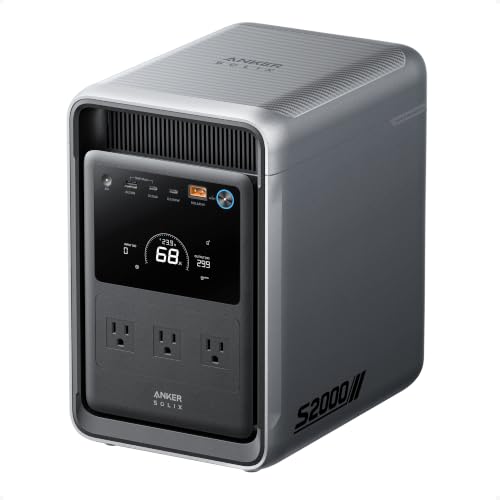
- Up to 35-hour fridge backup
- 2,010Wh LFP battery with 10,000 cycles
- 1,500W output, 3,000W peak
Best For: Long outage backup for a refrigerator and other home essentials
All-in-One Starter Kit

- Includes a 60W foldable solar panel
- 237Wh battery with 300W output
- Compact kit for small devices and trips
Best For: Light off-grid charging and basic emergency power for small electronics
High-Power Expandable Pick
EcoFlow DELTA 2 Fast-Charge Station

- 1,800W output with 1,024Wh LFP battery
- 0-80% charge in 50 minutes via AC
- Expandable up to 3kWh with extra battery
Best For: Fast-charging home backup and RV users who need strong appliance support
Lightweight Budget Pick

- Only 5 lbs for easy transport
- 220Wh battery with 300W output
- Includes a 40W foldable solar panel
Best For: Ultra-portable backup for small devices and light emergency use
High-Capacity Backup Pick
Jackery Explorer 1000 v2 for Fridge Backup

- 1,070Wh LiFePO4 battery
- 1,500W AC output, 3,000W surge
- 1-hour emergency charging
Best For: refrigerator backup and essential home appliances
Budget Solar Kit

- 296Wh power station
- 60W solar panel included
- 6.5 lb portable build
Best For: light backup, small DC cooling, and camping
Ultra-Light Travel Pick
Jackery Explorer 300 for Small Backup

- 292Wh LiFePO4 battery
- 7.5 lb ultra-light design
- 300W output with 600W surge
Best For: small devices, CPAP gear, and travel backup
Compact Starter Kit
300W Portable Power Station with 60W Solar Panel

- Includes 60W solar panel
- Pure sine wave AC outlets and USB/DC charging
- Built-in safety protections and cooling fan
Best For: Light backup and camping with small devices
Heavy-Duty Midrange Kit
1800W Solar Generator with 200W Panel
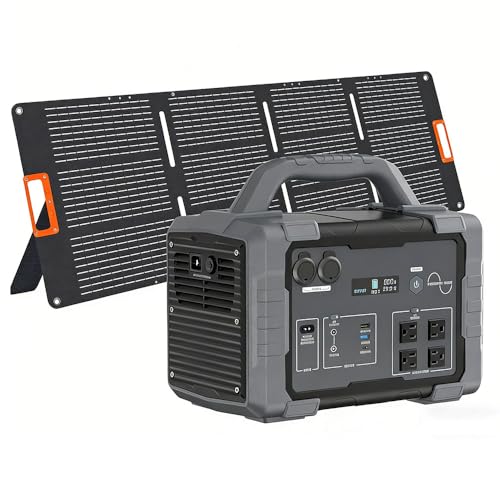
- 1800W output handles full-size refrigerators
- 1024Wh LiFePO4 battery with long cycle life
- Includes 200W solar panel and fast AC charging
Best For: Refrigerator backup, RV trips, and home outages
Premium Home Backup
Jackery Explorer 2000 v2 High-Capacity Power Station

- 2042Wh battery with 2200W output
- 20ms seamless switching for outages
- Quiet LiFePO4 power station with optional solar panel
Best For: Serious home backup and refrigerator support
Home Backup Pick – Anker SOLIX S2000 for Fridge Backup
If you want a portable solar generator for refrigerator backup that feels more like a true home essential than a camping battery, the Anker SOLIX S2000 stands out. Its 2,010Wh LFP battery, 1,500W continuous output, and stated up to 35-hour fridge backup make it a strong choice for outages, with the flexibility to recharge by AC, solar, car, or generator.
Best For: Homeowners who want long-lasting refrigerator backup and a compact, heavy-duty power station for outages.
Pros:
- Up to 35-hour fridge backup with 6W idle power draw
- 1,500W continuous output and 3,000W peak for most home essentials
- Compact for its class at 35.7 lbs and 30% smaller than average 2kWh systems
- Supports up to 400W solar input and six recharge methods
Cons:
- No 12V DC port
- Solar panels are optional, not included
- Heavier than smaller emergency power banks
Overall, this is the most capable option here for keeping a refrigerator running through an outage while still staying portable enough for home use or camping. Its long battery life and fast UPS switchover add real practicality.
All-in-One Starter Kit – MARBERO 237Wh with 60W Panel
The MARBERO 237Wh solar generator is a practical entry-level portable solar generator for refrigerator use only if you mean a very small cooler-style load or other low-draw devices; its 300W limit makes it better suited to phones, tablets, laptops, and similar gear. The included 60W foldable panel is convenient for off-grid charging, and the compact power station is easy to carry for short trips.
Best For: Campers and emergency users who want an affordable included-panel kit for small electronics.
Pros:
- Solar panel included for a complete starter setup
- Pure sine wave AC output with 300W rated power
- Multiple charging outputs, including USB-C and DC
- High-efficiency panel rated at 21.5% to 23.5%
Cons:
- 237Wh capacity is far below larger refrigerator-ready systems
- 300W limit is not suitable for appliances above that range
- Best suited to small devices rather than sustained home backup
This kit makes sense if you want a lightweight solar-ready bundle rather than a high-capacity home backup unit. For refrigerator support, it is much more limited than the larger options in this roundup.
High-Power Expandable Pick – EcoFlow DELTA 2 Fast-Charge Station
The EcoFlow DELTA 2 is a strong portable solar generator for refrigerator duty because it combines 1,024Wh of LFP battery capacity with 1,800W AC output and fast solar charging support. For buyers who want a practical home-backup unit that can also travel, its expandable capacity and 15 outlets make it a flexible pick for running essential appliances.
Best For: Users who want fast recharging, strong appliance output, and expandable capacity for home backup or RV use.
Pros:
- 1,800W output can handle many household appliances
- Charges to 80% in 50 minutes with AC input
- Expandable from 1kWh to 3kWh with extra batteries
- Up to 500W solar input for off-grid charging
Cons:
- Solar panels are optional, not included
- Heavier than smaller portable power stations at 27 lbs
- Battery capacity is lower than larger dedicated backup units
For buyers balancing portability, speed, and real appliance support, the DELTA 2 is one of the most versatile choices. It is especially appealing if you want a refrigerator-capable backup that can recharge quickly between outages.
Lightweight Budget Pick – Apowking 300W with 40W Panel
If you are shopping for a portable solar generator for refrigerator use on a very small scale, the Apowking 300W power station is more of a compact emergency unit than a full fridge backup solution. Its 220Wh battery and 300W rated output are better matched to phones, laptops, lights, fans, and other low-power devices, while the included 40W panel adds basic solar charging convenience.
Best For: Travelers and emergency prep buyers who want a lightweight solar kit for small electronics and short outings.
Pros:
- Very light at 5 lbs and easy to pack
- Includes a 40W foldable solar panel
- Pure sine wave AC output with 300W rated power
- Seven total ports for charging multiple devices
Cons:
- 220Wh capacity is limited for refrigerator backup
- 300W output is not meant for larger appliances
- Solar panel is only 40W, so recharge speeds will be modest
This is the most portable option in the group, but it is best viewed as a small-device power bank with AC outlets. If fridge backup is the priority, larger-capacity models are the better fit.
High-Capacity Backup Pick – Jackery Explorer 1000 v2 for Fridge Backup
If you want a portable solar generator for refrigerator backup with real headroom, the Jackery Explorer 1000 v2 is built for the job. Its 1,070Wh LFP battery and 1,500W AC output give it enough capacity and output to run appliances like fridges, while the compact 23.8 lb body still stays easy to move for camping, RV use, or emergency storage.
Best For: Households and travelers who want a compact but stronger backup option for a refrigerator and other essential appliances.
Pros:
- 1,500W AC output with 3,000W surge for demanding appliances
- 1,070Wh LiFePO4 battery with long 4,000-cycle lifespan
- Fast 1-hour emergency charging via the Jackery app
- Multiple outputs, including USB-C, USB-A, DC car port, and 3 AC ports
Cons:
- Solar charging is compatible only with Jackery solar panels
- Solar panel is optional, not included
- Heavier than smaller backup units at 23.8 lbs
Overall, this is a strong choice if refrigerator backup is the priority and you want more than just phone charging. The combination of higher output, fast recharge options, and LFP durability makes it one of the more practical mid-size power stations for emergency food protection.
Budget Solar Kit – EnginStar 300W with 60W Panel
This portable solar generator for refrigerator use is better suited to small cooling loads and short backup needs, not full-size household fridges. The EnginStar package includes a 296Wh power station and a foldable 60W solar panel, so it works as an all-in-one starter kit for camping, RV trips, and basic emergency power.
Best For: Buyers who want an affordable compact solar kit for light backup, small DC cooling devices, and outdoor essentials.
Pros:
- Solar panel is included, making the kit ready to use out of the box
- 296Wh capacity and 300W AC output for small devices
- Two 110V pure sine wave AC outlets plus DC, USB-A, and USB-C ports
- Lightweight 6.5 lb design is easy to carry
Cons:
- 300W output is limited for refrigerator-sized loads
- Better described as backup for mini-fridge or small appliances
- Battery capacity is modest compared with larger emergency units
If your goal is to cover a true refrigerator, this unit is more of a light-duty option than a whole-home solution. Still, the included panel, multi-port layout, and compact size make it a practical budget pick for short outages and portable use.
Ultra-Light Travel Pick – Jackery Explorer 300 for Small Backup
The Jackery Explorer 300 is a compact solar generator for refrigerator-adjacent needs, but it is best matched to smaller appliances and portable gear rather than a full-size fridge. With a 292Wh LiFePO4 battery, 300W rated output, and 7.5 lb weight, it is designed for easy carry on trips where portability matters more than raw runtime.
Best For: Campers and travelers who need a lightweight backup battery for small devices, CPAP gear, and short-duration emergency power.
Pros:
- Very lightweight at 7.5 lbs with a built-in handle
- 300W output with 600W surge for basic electronics
- LiFePO4 battery rated for over 4,000 cycles
- Fast solar charging with Jackery panels
Cons:
- 292Wh capacity is small for refrigerator use
- Only suited to modest power demands, not larger appliances
- Solar panel is optional and sold separately
For users who mainly want something easy to carry, this model makes sense. It is durable, simple to pack, and efficient for light backup duties, but it is not the strongest choice if your main goal is keeping a refrigerator running.
Compact Starter Kit – 300W Portable Power Station with 60W Solar Panel
If you’re shopping for a portable solar generator for refrigerator backup, this 300W ZeroKor setup is better suited to very small fridges, or to keeping phones, lights, and other low-draw gear going during short outages. The included 60W foldable solar panel adds convenience for camping and off-grid use, while the pure sine wave AC outlets and multiple charging ports make it a flexible entry-level kit.
Best For: Light-duty backup, camping, and charging small devices where portability matters more than high output.
Pros:
- Includes a 60W foldable solar panel in the box
- Pure sine wave AC output with 2 AC outlets plus USB and DC ports
- Built-in BMS protection for short circuit, overload, over-voltage, and overheating
- Compact option for tents, vans, and outdoor trips
Cons:
- 300W limit is too low for most full-size refrigerators
- Not intended for devices over 300W or heat-heavy appliances
- Best viewed as a small-capacity power solution, not a home-backup unit
This is a practical starter package if your priority is portability and basic solar charging. For refrigerator use, it only makes sense for very modest loads, so buyers needing longer runtime or standard fridge support should look higher up the power ladder.
Heavy-Duty Midrange Kit – 1800W Solar Generator with 200W Panel
For shoppers comparing a portable solar generator for refrigerator use, this 1800W solar generator is the first model here that clearly fits the job. With 1800W continuous output, a 1024Wh LiFePO4 battery, and a 200W foldable panel included, it has the capacity and output range to run a full-size refrigerator while also covering other household or RV essentials.
Best For: Refrigerator backup, RV use, and home emergency power where you need real appliance-supporting output.
Pros:
- 1800W continuous output with 3600W surge for appliance loads
- 1024Wh LiFePO4 battery with 3,500+ life cycles
- Includes a 200W foldable solar panel with up to 23.5% efficiency
- Fast 1.5-hour AC charging and 10 total ports
Cons:
- Heavier and less portable than smaller camping units
- More capability than some users need for basic device charging
- Solar recharge speed depends on weather and panel conditions
This is the most balanced pick for users who want refrigerator-ready performance without jumping to a huge 2kWh class unit. It offers a strong mix of power, recharge flexibility, and long-term battery durability for backup and off-grid use.
Premium Home Backup – Jackery Explorer 2000 v2 High-Capacity Power Station
If you want a portable solar generator for refrigerator backup and broader home outage coverage, the Jackery Explorer 2000 v2 is the strongest option in this group. Its 2042Wh LiFePO4 battery, 2200W output, and 20ms UPS-style switching make it well suited for keeping essentials running, while the optional solar panel setup gives you flexibility for longer outages.
Best For: Serious home backup, refrigerator runtime, and users who want a quiet high-capacity power station.
Pros:
- 2042Wh capacity with 2200W output for demanding appliance loads
- 20ms seamless switching helps keep essentials powered during outages
- Very quiet operation at under 30dB in Silent Charging Mode
- LiFePO4 battery is rated for up to 10 years of use
Cons:
- Solar panel is optional, so panel cost is separate
- Higher-capacity unit is less casual-portable than smaller models
- Best value is for users who truly need large backup capacity
This is the premium pick for buyers who need dependable refrigerator support and want a more complete home-backup solution. It trades compactness for serious runtime, quieter operation, and stronger overall emergency readiness.
How We Picked These Portable Solar Generator for Refrigerator Options
We prioritized models with enough continuous AC output to run common refrigerators, plus battery sizes that can provide meaningful backup runtime. We also looked at LiFePO4 battery chemistry, surge capability, charging speed, solar input flexibility, and portability. For fridge backup, the best choice is not always the biggest unit; it is the one that balances starting wattage, runtime, and recharge options for your situation.
Quick Comparison
Smaller 200Wh to 300Wh units are best for very efficient mini fridges or short emergency use. Mid-range 1,000Wh-class stations are the sweet spot for most households that want a day or more of partial refrigerator backup. Larger 2,000Wh models are better if you want longer runtime, less battery anxiety, or the ability to support a fridge alongside other essentials like internet gear, lights, and phone charging.
Key Buying Factors for a Portable Solar Generator for Refrigerator
Starting Wattage and Surge Rating
Refrigerators draw extra power when the compressor kicks on. Make sure the unit’s surge rating comfortably exceeds your fridge’s startup load, not just its running watts. A higher continuous watt rating adds margin and reduces the risk of shutdowns.
Battery Capacity and Runtime
Look at watt-hours, not just marketing language. Larger batteries provide longer backup, but actual runtime depends on your refrigerator’s efficiency, room temperature, and how often the door opens. A 1,000Wh battery is often a practical minimum for meaningful backup; 2,000Wh gives more peace of mind.
Battery Chemistry
LiFePO4 batteries are generally preferred for a Portable Solar Generator for Refrigerator use because they offer better cycle life and stable long-term performance. That matters if you plan to use the unit regularly, not just in emergencies.
Charging Options
Fast AC charging is useful before storms, while solar charging matters during extended outages. Check solar input limits and compatibility with panels if you want to recharge in daylight and stretch runtime.
Portability and Expandability
If you need to move the unit often, weight and handle design matter. If you are building a home backup setup, consider models with higher solar input, UPS-style switching, and enough AC outlets for a fridge plus essentials.
Who Should Buy Which Portable Solar Generator for Refrigerator?
If you only need short-term backup for a compact fridge or cooler, a smaller portable station can work. If you want dependable refrigerator coverage for outages, choose a mid-size LiFePO4 unit around 1,000Wh or more. If you are planning whole-family emergency support, long outages, or multi-device backup, go with a larger 2,000Wh-class option and pair it with solar panels.
In short, the best Portable Solar Generator for Refrigerator use is the one that matches your fridge size, outage length, and recharge plan. Focus on surge power, battery capacity, and battery type first, then use portability and extras to narrow the final pick.